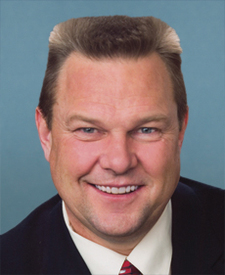
Jon Tester
AnalysisD MT · Senate
Healthcare
+13Government Operations
-25Environment
0Defense
+11Veterans Affairs
-5Finance
+7Veterans
-131Elections
-9National Security
-22Transportation
+14Education
-7Appropriations
-4Agriculture
+2Technology
+1Civil Rights
+8Criminal Justice
-17Trade
+8Foreign Policy
+1Housing
+1Labor
+7Industry Impact Profile
2630 industry impacts
How this is computed
P Primary sponsor · C Co-sponsor · Y Yea vote · N Nay vote
Weighted score (w:) uses strongest role per bill. Weights: Primary 1.0, Co-sponsor 0.3, Yea 0.1, Nay -0.1.
Bills where the legislator voted nay (without sponsorship) contribute -0.1 per bill. Equal yea and nay roll calls on the same bill contribute 0.
Vote date filters affect vote attribution; sponsorship is always included.
Positive-Effect Industries
Negative-Effect Industries
Click any row to see supporting clauses
Showing positive and negative-direction effects only. Mixed and uncertain effects are not included in these counts.
Sponsored & Cosponsored Bills
s4997-118
CosponsorMaking supplemental appropriations for the Department of Veterans Affairs for the fiscal year ending September 30, 2024, and for other purposes.
s2795-118
Primary SponsorTo amend title 38, United States Code, to extend and modify certain authorities and requirements relating to the Department of Veterans Affairs, and for other purposes.
s5210-118
Primary Sponsor IntroducedTo improve mental health services of the Department of Veterans Affairs, and for other purposes.
s4334-118
Cosponsor IntroducedTo enhance the security operations of the Transportation Security Administration and stability of the transportation security workforce by applying the personnel system under title 5, United States Code, to employees of the Transportation Security Administration, and for other purposes.
s4176-118
Primary Sponsor IntroducedTo authorize major medical facility projects for the Department of Veterans Affairs for fiscal year 2024, and for other purposes.
s4047-118
Primary Sponsor IntroducedTo increase, effective as of December 1, 2024, the rates of compensation for veterans with service-connected disabilities and the rates of dependency and indemnity compensation for the survivors of certain disabled veterans, and for other purposes.
s4009-118
Cosponsor IntroducedTo amend title 38, United States Code, to direct the Secretary of Veterans Affairs to offer annual preventative health evaluations to veterans with a spinal cord injury or disorder and increase access to assistive technologies, and for other purposes.
s3728-118
Primary Sponsor IntroducedTo amend title 38, United States Code, to modify the administration of housing loans of the Department of Veterans Affairs to prevent or resolve default under such loans, and for other purposes.
s3452-118
Primary Sponsor IntroducedTo authorize the Secretary of Veterans Affairs to determine the eligibility or entitlement of a member or former member of the Armed Forces described in subsection (a) to a benefit under a law administered by the Secretary solely based on alternative sources of evidence when the military service records or medical treatment records of the member or former member are incomplete because of damage or loss of records after being in the possession of the Federal Government, and for other purposes.
s3341-118
Primary Sponsor IntroducedTo improve the emergency management capabilities of the Department of Veterans Affairs, and for other purposes.
s3126-118
Cosponsor IntroducedTo amend title 38, United States Code, to authorize the Secretary of Veterans Affairs to furnish or replace a headstone, marker, or medallion for the grave of an eligible Medal of Honor recipient regardless of the recipient’s dates of service in the Armed Forces, and for other purposes.
s2975-118
Cosponsor IntroducedTo amend title 38, United States Code, to improve payment and processing of payments or allowances for beneficiary travel, and for other purposes.
s2757-118
Primary Sponsor IntroducedTo limit the Secretary of Veterans Affairs from modifying the rate of payment or reimbursement for transportation of veterans or other individuals via special modes of transportation under the laws administered by the Secretary, and for other purposes.
s2718-118
Primary Sponsor IntroducedTo amend title 38, United States Code, to improve matters relating to medical examinations for veterans disability compensation, and for other purposes.
s2679-118
Primary Sponsor IntroducedTo strengthen accountability and oversight at the Department of Veterans Affairs, and for other purposes.
s2649-118
Primary Sponsor IntroducedTo improve community care provided by the Department of Veterans Affairs, and for other purposes.
s2513-118
Primary Sponsor IntroducedTo amend title 38, United States Code, to improve benefits administered by the Secretary of Veterans Affairs, and for other purposes.
s2422-118
Primary Sponsor IntroducedTo amend title 38, United States Code, to establish the Acquisition Review Board of the Department of Veterans Affairs and to establish the Director of Cost Assessment and Program Evaluation in the Department, and for other purposes.
s2174-118
Primary Sponsor IntroducedTo amend title 38, United States Code, to adjust the threshold amount for minor medical facility construction projects of the Department of Veterans Affairs, and for other purposes.
s1792-118
Primary Sponsor IntroducedTo amend title 38, United States Code, to modify the program of comprehensive assistance for family caregivers of veterans, and for other purposes.
Loading countries...
Select a clause to see detailed analysis
Failed to load analysis
Please try again
Failed to load clauses
Please try again
Click an industry from the Impact Profile to view supporting clauses
Select a clause to see detailed analysis