To enhance the security operations of the Transportation Security Administration and stability of the transportation security workforce by applying the personnel system under title 5, United States Code, to employees of the Transportation Security Administration, and for other purposes.
Analysis under review: This bill has generated analysis that may be too generic or incomplete. Clause-level evidence remains available below.
Summary
What This Bill Does
This bill converts TSA employees from the agency's special personnel management system to the standard federal civil service system (Title 5). It grants TSA workers full collective bargaining rights, civil service protections, and standard federal employee benefits that most other federal workers already have.
Who Benefits and How
TSA employees (Transportation Security Officers, Federal Air Marshals, and other staff) benefit significantly by gaining full union rights under Title 5 Chapter 71, access to standard federal pay scales (GS system), standard leave and benefits, and the ability to challenge adverse personnel actions through the Merit Systems Protection Board. The American Federation of Government Employees (AFGE), the existing TSA union, gains expanded collective bargaining authority at both national and local levels.
Who Bears the Burden and How
The TSA Administration and Department of Homeland Security face implementation burdens including converting personnel systems, establishing new classification standards, and negotiating expanded collective bargaining agreements. The Office of Personnel Management must establish new position classifications and standards. Taxpayers may face increased costs for expanded pay and benefits parity.
Key Provisions
- Repeals TSA's special personnel authority and converts all employees to Title 5 civil service by December 31, 2024
- Grants full collective bargaining rights under Chapter 71 within 90 days of enactment
- Protects employees from pay cuts during conversion and credits prior service for determining GS step placement
- Requires multiple GAO studies on recruitment, diversity, and workplace safety
Evidence Chain:
This summary is generated from the full bill text using AI analysis. Expand "Detailed Analysis" below for identified beneficiaries/burden bearers.
At a Glance
What This Bill Does
Converts Transportation Security Administration (TSA) employees from their special personnel management system to the standard federal civil service system under Title 5, granting them full collective bargaining rights and civil service protections.
Key Policy Areas
Labor Relations, Transportation Security, Federal Employment, Homeland Security
Primary Purpose
Converts Transportation Security Administration (TSA) employees from their special personnel management system to the standard federal civil service system under Title 5, granting them full collective bargaining rights and civil service protections.
Policy Domains
Rights for the TSA Workforce Act of 2024
Identified Gains
Contextual inference, no direct clause citation- TSA employees (Transportation Security Officers)
- Federal Air Marshals
- AFGE and labor unions
- Federal employees seeking equity
Contextual inference, no direct clause citation
Identified Costs
Contextual inference, no direct clause citation- TSA Administration
- Department of Homeland Security
- Office of Personnel Management
- Taxpayers
Contextual inference, no direct clause citation
Sponsors




Legislative Progress
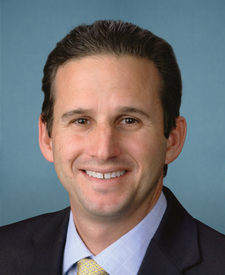
IntroducedMr. Schatz (for himself, Mr. Peters, Mr. Casey, Mr. Warnock, …
Stakeholder Effects
cui bono?How this legislation distributes effects. Mention counts reflect frequency, not effect magnitude.
Department of Homeland Security, Federal Air Marshals, Federal government as employer
TSA Administration faces effects in multiple directions
Positive-direction: Federal Air Marshals, Federal government as employer, Part-time screening agents, TSA employees, TSA employees and Transportation Security Officers, TSA employees converting to Title 5, TSA screening agents
Negative-direction: Department of Homeland Security, Government Accountability Office, TSA Administration management
American Federation of Government Employees, Labor unions representing federal workers, Organizations representing Federal Air Marshals
Veterans and military families seeking TSA employment
Bill Structure & Actor Mappings
Who is "The Secretary" in each section?
- "the_director"
- → Director of the Office of Personnel Management
- "the_secretary"
- → Secretary of Homeland Security
- "the_administrator"
- → Administrator of the Transportation Security Administration
- "the_comptroller_general"
- → Comptroller General of the United States
Key Definitions
Terms defined in this bill
The publication entitled 'Determination on Transportation Security Officers and Collective Bargaining' issued on December 30, 2022, by Administrator David P. Pekoske, as modified, or any superseding subsequent determination
The rate of pay fixed by law or administrative action for a position occupied by a covered employee before any deductions, plus any regular, fixed supplemental payment for non-overtime hours creditable as basic pay for retirement purposes
An employee who occupies a covered position
A position within the Administration (TSA)
A full- or part-time non-supervisory covered employee carrying out screening functions under section 44901 of title 49, United States Code
Any personnel management system established or modified under section 111(d) of the Aviation and Transportation Security Act or section 114(n) of title 49
The date on which subparagraphs (A) through (F) of section 3(c)(1) take effect (no later than December 31, 2024)
We use a combination of our own taxonomy and classification in addition to large language models to assess meaning and potential beneficiaries. High confidence means strong textual evidence. Always verify with the original bill text.
Learn more about our methodology