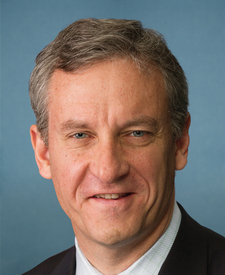
Matt Cartwright
AnalysisD PA-8 · House
Education
-48Healthcare
-17Government Operations
+1Energy
+6Environment
-2Finance
+8Agriculture
-2Native American Tribes
-47Civil Rights
-5Defense
+1Business
-16Transportation
+1Labor
-2Housing
+6Healthcare Consumers
-13Technology
0Regulated Industries
-7Criminal Justice
-4Science & Space
+4Veterans Affairs
+5Industry Impact Profile
690 industry impacts
How this is computed
P Primary sponsor · C Co-sponsor · Y Yea vote · N Nay vote
Weighted score (w:) uses strongest role per bill. Weights: Primary 1.0, Co-sponsor 0.3, Yea 0.1, Nay -0.1.
Bills where the legislator voted nay (without sponsorship) contribute -0.1 per bill. Equal yea and nay roll calls on the same bill contribute 0.
Vote date filters affect vote attribution; sponsorship is always included.
Positive-Effect Industries
Click any row to see supporting clauses
Showing positive and negative-direction effects only. Mixed and uncertain effects are not included in these counts.
Sponsored & Cosponsored Bills
hr9956-118
Primary Sponsor IntroducedTo amend the Internal Revenue Code of 1986 to provide for the proper tax treatment of personal service income earned in pass-thru entities.
hr9650-118
Primary Sponsor IntroducedTo provide incentives for the purchase of water-efficient products, and for other purposes.
hr9140-118
Cosponsor IntroducedTo direct the Secretary of the Interior to issue a report regarding the effects of mine subsidence.
hr9120-118
Primary Sponsor IntroducedTo establish an integrated national approach to respond to ongoing and expected effects of extreme weather and climate change by protecting, managing, and conserving the fish, wildlife, and plants of the United States, and to maximize Government efficiency and reduce costs, in cooperation with State and local governments, Indian Tribes, Native Hawaiians, and other entities, and for other purposes.
hr8525-118
Cosponsor IntroducedTo hold law enforcement accountable for misconduct in court, improve transparency through data collection, and reform police training and policies.
hr8426-118
Primary Sponsor IntroducedTo secure the rights of public employees to organize, act concertedly, and bargain collectively, which safeguard the public interest and promote the free and unobstructed flow of commerce, and for other purposes.
hr8340-118
Cosponsor ReportedTo amend section 3(b)(4) of the United States Housing Act of 1937 to exclude certain disability benefits from income for the purposes of determining eligibility for the supported housing program under section 8(o)(19), and for other purposes.
hr7275-118
Primary Sponsor IntroducedTo establish a national mercury monitoring program, and for other purposes.
hr7003-118
Cosponsor ReportedTo amend the National Landslide Preparedness Act to reauthorize such Act.
hr6913-118
Primary Sponsor In CommitteeTo amend the Federal Election Campaign Act of 1971 to require corporations to disclose to their shareholders the amounts disbursed for certain political activity, and for other purposes.
hr6882-118
Primary Sponsor IntroducedTo enhance the Federal Government’s planning and preparation for extreme weather and the Federal Government’s dissemination of best practices to respond to extreme weather, thereby increasing resilience, improving regional coordination, and mitigating the financial risk to the Federal Government from such extreme weather, and for other purposes.
hr6747-118
Cosponsor IntroducedTo speed up the deployment of electricity transmission and clean energy, with proper input from affected communities, and for other purposes.
hr6031-118
Cosponsor In CommitteeTo address and take action to prevent bullying and harassment of students.
hr5748-118
Primary Sponsor IntroducedTo promote and ensure delivery of high-quality special education and related services to children and youth who are blind or visually impaired, deaf, hard of hearing, deafdisabled, or deafblind through instructional methodologies meeting their unique language and learning needs, to enhance accountability for the provision of such services, and for other purposes.
hr14-118
Cosponsor IntroducedTo amend the Voting Rights Act of 1965 to revise the criteria for determining which States and political subdivisions are subject to section 4 of the Act, and for other purposes.
hr5322-118
Primary Sponsor IntroducedTo provide employees with a minimum of two consecutive hours of paid leave in order to vote in Federal elections.
hr4889-118
Cosponsor IntroducedTo provide for increases in the Federal minimum wage, and for other purposes.
hr4778-118
Primary Sponsor IntroducedTo amend the Federal Water Pollution Control Act and direct the Secretary of the Interior to conduct a study with respect to stormwater runoff from oil and gas operations, and for other purposes.
hr4782-118
Cosponsor IntroducedTo amend the Clean Air Act to eliminate the exemption for aggregation of emissions from oil and gas sources, and for other purposes.
hr4583-118
Cosponsor IntroducedTo protect our Social Security system and improve benefits for current and future generations.
Loading countries...
Select a clause to see detailed analysis
Failed to load analysis
Please try again
Failed to load clauses
Please try again
Click an industry from the Impact Profile to view supporting clauses
Select a clause to see detailed analysis