To place a moratorium on large concentrated animal feeding operations, to strengthen the Packers and Stockyards Act, 1921, to require country of origin labeling on beef, pork, and dairy products, and for other purposes.
Summary
What This Bill Does
The bill creates definitions In this title: The term agronomic requirement means the quantity of nutrient necessary to achieve a reasonable yield goal for a crop, as determined based on land grant university fertility rates, creates moratorium on large concentrated animal feeding operations No large CAFO may commence or expand operations on or after the date of enactment of this Act, and creates voluntary debt forgiveness and transition assistance program for animal feeding operations. It relies on definition changes, compliance mandates, reporting requirements, and grants. The main policy areas are Education, Agriculture, Environment, and Finance.
Who Benefits and How
Public beneficiaries or protected communities affected by the clause could face reduced risk, Regulated entities and members of the public affected by the bill could gain revenue opportunities, and Water infrastructure operators and water users affected by the bill could gain revenue opportunities.
Who Bears the Burden and How
Federal, state, or local agencies responsible for implementing the clause would take on compliance duties, Transportation operators and users affected by the bill would take on compliance duties, and Regulated entities and members of the public affected by the bill would take on compliance duties.
Key Provisions
- Creates definitions In this title: The term agronomic requirement means the quantity of nutrient necessary to achieve a reasonable yield goal for a crop, as determined based on land grant university fertility rates...
- Creates moratorium on large concentrated animal feeding operations No large CAFO may commence or expand operations on or after the date of enactment of this Act.
- Creates voluntary debt forgiveness and transition assistance program for animal feeding operations.
- Creates integrator responsibilities and liabilities An integrator that exercises substantial operational control of an AFO, as described in subsection (b), shall be responsible and liable for, with respect to...
- Requires definitions Section 2(a) of the Packers and Stockyards Act, 1921 (7 U.S.C.
Evidence Chain:
This summary is generated from the full bill text using AI analysis. Expand "Detailed Analysis" below for identified beneficiaries/burden bearers with clause-level evidence links.
At a Glance
What This Bill Does
The bill creates definitions In this title: The term agronomic requirement means the quantity of nutrient necessary to achieve a reasonable yield goal for a crop, as determined based on land grant university fertility rates, creates moratorium on large concentrated animal feeding operations No large CAFO may commence or expand operations on or after the date of enactment of this Act, and creates voluntary debt forgiveness and transition assistance program for animal feeding operations.
Key Policy Areas
Education, Agriculture, Environment, Finance
Primary Purpose
The bill creates definitions In this title: The term agronomic requirement means the quantity of nutrient necessary to achieve a reasonable yield goal for a crop, as determined based on land grant university fertility rates, creates moratorium on large concentrated animal feeding operations No large CAFO may commence or expand operations on or after the date of enactment of this Act, and creates voluntary debt forgiveness and transition assistance program for animal feeding operations.
Policy Domains
Whole bill
Identified Gains
- Public beneficiaries or protected communities affected by the clause
- Regulated entities and members of the public affected by the bill
- Water infrastructure operators and water users affected by the bill
- Businesses and employers affected by the bill
- Agricultural producers and rural communities affected by the bill
Identified Costs
- Federal, state, or local agencies responsible for implementing the clause
- Transportation operators and users affected by the bill
- Regulated entities and members of the public affected by the bill
- Agricultural producers and rural communities affected by the bill
- Public beneficiaries or protected communities affected by the clause
Sponsors

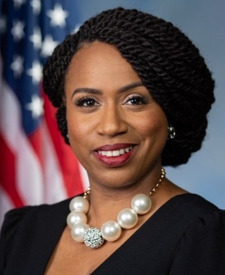

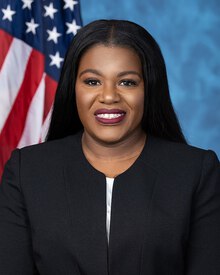

Legislative Progress
IntroducedMr. Khanna (for himself, Ms. Bush, Mr. Lynch, Ms. Pressley, …
Impact analysis is available but no clear stakeholder effects identified. View clause-level analysis →
Bill Structure & Actor Mappings
Who is "The Secretary" in each section?
We use a combination of our own taxonomy and classification in addition to large language models to assess meaning and potential beneficiaries. High confidence means strong textual evidence. Always verify with the original bill text.
Learn more about our methodology