To establish the use of ranked choice voting in elections for Senators and Representatives in Congress, to require each State with more than one Representative to establish multi-member congressional districts, to require States to conduct congressional redistricting according to nonpartisan criteria, and for other purposes.
Analysis under review: This bill has generated analysis that may be too generic or incomplete. Clause-level evidence remains available below.
Summary
What This Bill Does
This bill, To establish the use of ranked choice voting in elections for Senators and Representatives in Congress, to require each State with more than one Representative to establish multi-member congressional districts, to require States to conduct congressional redistricting according to nonpartisan criteria, and for other purposes., changes federal law or congressional policy affecting federal agencies and legislative administrators. The main policy domain is Government Operations, Technology, Education.
Who Benefits and How
federal agencies and legislative administrators may benefit from new authority, funding, eligibility, regulatory clarity, or reduced risk created by the bill.
Who Bears the Burden and How
federal implementing agencies may take on implementation duties, reporting obligations, compliance costs, or oversight responsibilities.
Key Provisions
- Section H9BB0C16BDE884FE4892F8E55E22E5F26: 1. Short title; table of contents This Act may be cited as the Fair Representation Act. The table of contents of this Act is as follows:
- Section H75F5A0D4619E4BC284D36C7A8F9DD313: 2. Finding of constitutional authority Congress finds that it has the authority to establish the terms and conditions States must follow in carrying out...
- Section HE87632CDFDEB40E3877D1D54FD38662C: 101. Requiring ranked choice voting for election of Senators and Representatives Title III of the Help America Vote Act of 2001 (52 U.S.C. 21081 et seq.) is...
- Section HC244953DA14E4C7C9DF5424079054EAE: 321. Requiring ranked choice voting for election of Senators and Representatives Except as provided in section 205 of the Fair Representation Act, each State...
- Section HF6A9645525E24D13B45BEA263C124365: 322. Tabulation of ballots In the case of a single-seat election, each ballot cast in the election shall count as one vote for the highest-ranked active...
Evidence Chain:
This summary is generated from the full bill text using AI analysis. Expand "Detailed Analysis" below for identified beneficiaries/burden bearers with clause-level evidence links.
At a Glance
What This Bill Does
This bill, To establish the use of ranked choice voting in elections for Senators and Representatives in Congress, to require each State with more than one Representative to establish multi-member congressional districts, to require States to conduct congressional redistricting according to nonpartisan criteria, and for other purposes., changes federal law or congressional policy affecting federal agencies and legislative administrators.
Key Policy Areas
Government Operations, Technology, Education
Primary Purpose
This bill, To establish the use of ranked choice voting in elections for Senators and Representatives in Congress, to require each State with more than one Representative to establish multi-member congressional districts, to require States to conduct congressional redistricting according to nonpartisan criteria, and for other purposes., changes federal law or congressional policy affecting federal agencies and legislative administrators.
Policy Domains
Whole bill
Identified Gains
- federal agencies and legislative administrators
Identified Costs
- federal implementing agencies
Sponsors

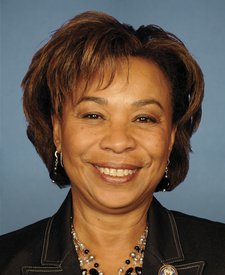



Legislative Progress
IntroducedMr. Beyer (for himself, Mr. Raskin, Mr. Blumenauer, Ms. Lee …
Impact analysis is available but no clear stakeholder effects identified. View clause-level analysis →
Bill Structure & Actor Mappings
Who is "The Secretary" in each section?
- "the_secretary"
- → The Secretary identified in the operative section
- "the_commission"
- → The commission identified in the operative section
We use a combination of our own taxonomy and classification in addition to large language models to assess meaning and potential beneficiaries. High confidence means strong textual evidence. Always verify with the original bill text.
Learn more about our methodology