Genomic Answers for Children’s Health Act of 2026
Summary
What This Bill Does
The Genomic Answers for Children's Health Act of 2026 amends Medicaid EPSDT rules so whole genome sequencing and whole exome sequencing are covered when ordered by a physician or other state-authorized provider as a first-tier test for a child suspected to have a genetic disorder, rare disease, or condition of unknown origin, including congenital anomalies, global developmental delay, or intellectual disability. The definition includes sequencing DNA from the child and, when primarily for the child's diagnosis or treatment, first-degree biological relatives, plus analysis, interpretation, and data reports. State Medicaid plans must pay for sequencing separately rather than bundling it into another medical-assistance payment. HHS must convene pediatricians, rare-disease specialists, children's hospitals, geneticists, genetic counselors, lab developers, states, health systems, rare-disease patients, Medicaid managed care organizations, and family groups to identify implementation barriers and best practices. HHS must conduct outreach and publish a report within two years on state payment amounts, numbers of children receiving sequencing, outcomes, services provided because of sequencing, and related information. GAO must review access barriers, care changes, prior authorization effects, genetic counselor workforce and reimbursement challenges, market-cost alignment with the Medicare lab fee schedule, and recommendations. The amendments apply beginning January 1, 2027.
Who Benefits and How
Medicaid-eligible children with suspected rare diseases, genetic disorders, congenital anomalies, developmental delays, or intellectual disabilities benefit from first-tier genomic testing and separate payment. Families, pediatricians, children's hospitals, genetic counselors, rare-disease specialists, diagnostic labs, and Medicaid managed care plans benefit from clearer coverage, outreach, and best practices that can reduce denials and speed diagnosis.
Who Bears the Burden and How
State Medicaid agencies, HHS staff, GAO analysts, Medicaid managed care organizations, prior-authorization teams, genetic counselors, laboratories, and providers must implement separate payments, manage utilization, document medical necessity, report payment and outcomes data, participate in outreach, and address workforce and reimbursement challenges. Medicaid spending may increase as whole genome and exome sequencing becomes explicitly covered for qualifying children.
Key Provisions
- Requires Medicaid EPSDT coverage of whole genome and whole exome sequencing as first-tier tests for qualifying children.
- Defines covered sequencing to include analysis, interpretation, data reports, and first-degree relative sequencing when primarily for the child's diagnosis or treatment.
- Requires state Medicaid plans to pay separately for sequencing rather than bundling it into another medical-assistance payment.
- Requires HHS stakeholder convening, outreach, and a two-year public report on payments, use, outcomes, and services.
- Requires GAO review of access barriers, prior authorization, genetic counselor workforce issues, reimbursement challenges, fee-schedule alignment, and improvements.
- Applies the Medicaid amendments beginning January 1, 2027.
Evidence Chain:
This summary is generated from the full bill text using AI analysis. Expand "Detailed Analysis" below for identified beneficiaries/burden bearers with clause-level evidence links.
At a Glance
What This Bill Does
Requires Medicaid EPSDT coverage of whole genome and whole exome sequencing as first-tier tests for children suspected to have genetic disorders, rare diseases, or conditions of unknown origin, requires separate payment, HHS outreach and reporting, GAO review, and January 1, 2027 applicability.
Key Policy Areas
Healthcare, Research & Science, Social Services
Primary Purpose
Requires Medicaid EPSDT coverage of whole genome and whole exome sequencing as first-tier tests for children suspected to have genetic disorders, rare diseases, or conditions of unknown origin, requires separate payment, HHS outreach and reporting, GAO review, and January 1, 2027 applicability.
Policy Domains
Substantive provisions
Identified Gains
- Medicaid-eligible children
- Families seeking rare-disease diagnosis
- Pediatricians
- Children's hospitals
- Genetic counselors
- Rare-disease specialists
- Diagnostic laboratories
Identified Costs
- State Medicaid agencies
- HHS staff
- GAO analysts
- Medicaid managed care organizations
- Prior-authorization teams
- Federal Medicaid spending
Sponsors

Legislative Progress
In CommitteeReferred to the House Committee on Energy and Commerce.
Introduced in House
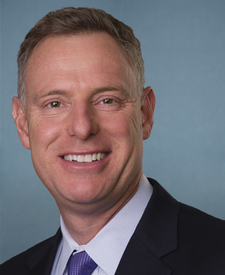
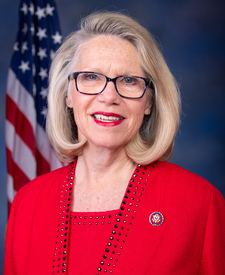
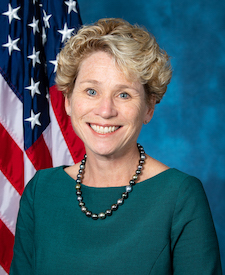
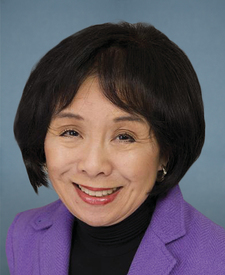
Mr. Peters (for himself, Mr. Bilirakis, Mr. Veasey, Mr. Balderson, …
Stakeholder Effects
cui bono?How this legislation distributes effects. Mention counts reflect frequency, not effect magnitude.
Children's hospitals, Genetic counselors, Medicaid managed care organizations
Positive-direction: Children's hospitals, Genetic counselors, Medicaid-eligible children
Negative-direction: Medicaid managed care organizations
Bill Structure & Actor Mappings
Who is "The Secretary" in each section?
We use a combination of our own taxonomy and classification in addition to large language models to assess meaning and potential beneficiaries. High confidence means strong textual evidence. Always verify with the original bill text.
Learn more about our methodology