Federal Correctional Officer Paycheck Protection Act of 2026
Summary
What This Bill Does
The Federal Correctional Officer Paycheck Protection Act of 2026 creates special base rates for federal correctional officers employed by the Bureau of Prisons. Covered officers include correctional officers whose duties primarily involve custody, control, or supervision of inmates, routine direct inmate contact in custodial settings, certain supervisors or administrators whose positions would qualify if they included routine custodial contact, and positions OPM determines would satisfy the standard under BOP classification. The special rate replaces the otherwise applicable General Schedule base rate or LEO special base rate, counts as basic pay for locality, severance, premium pay, and federal retirement purposes, and is computed by increasing the applicable base rate by 35 percent, rounded to the nearest dollar, capped at Executive Schedule level V. The authority terminates after five years unless the DOJ Inspector General reports measurable progress in reducing or eliminating augmentation, reducing excessive mandatory overtime, and improving recruitment, retention, and institutional safety. If the IG finds measurable progress, the special pay authority continues.
Who Benefits and How
Federal correctional officers benefit from a 35 percent special base-rate increase that also counts toward important pay and retirement calculations. Bureau of Prisons institutions benefit if higher pay improves recruitment, retention, safety, and reduces mandatory overtime and reliance on non-custodial staff for correctional duties. Inmates, prison staff, and communities near federal prisons may benefit if staffing becomes more stable. Congress and DOJ benefit from an Inspector General review before the temporary authority expires.
Who Bears the Burden and How
Bureau of Prisons payroll staff, OPM classification staff, DOJ personnel offices, and federal retirement administrators must identify covered officers, calculate special rates, apply caps, update payroll systems, and integrate the rate into locality, severance, overtime, premium pay, and retirement. Federal taxpayers bear higher personnel costs. DOJ Inspector General staff must evaluate augmentation, mandatory overtime, recruitment, retention, and institutional safety before the five-year sunset.
Key Provisions
- Creates a special base rate for Bureau of Prisons federal correctional officers.
- Defines covered officers to include custody, control, supervision, direct inmate contact, and qualifying supervisory or administrative positions.
- Requires the special base rate to replace the applicable General Schedule or LEO special base rate.
- Requires the special rate to count as basic pay for locality, severance, premium pay, and retirement purposes.
- Increases applicable base rates by 35 percent subject to an Executive Schedule level V cap.
- Provides a five-year sunset unless the DOJ Inspector General finds measurable progress on augmentation, overtime, recruitment, retention, and safety.
Evidence Chain:
This summary is generated from the full bill text using AI analysis. Expand "Detailed Analysis" below for identified beneficiaries/burden bearers with clause-level evidence links.
At a Glance
What This Bill Does
Creates a five-year special base pay system for Bureau of Prisons federal correctional officers, raising applicable General Schedule or law-enforcement special base rates by 35 percent up to Executive Schedule level V, treating the special rate as basic pay for locality, severance, premium pay, retirement, and related purposes, and requiring a DOJ Inspector General review before expiration.
Key Policy Areas
Law Enforcement, Labor, Government
Primary Purpose
Creates a five-year special base pay system for Bureau of Prisons federal correctional officers, raising applicable General Schedule or law-enforcement special base rates by 35 percent up to Executive Schedule level V, treating the special rate as basic pay for locality, severance, premium pay, retirement, and related purposes, and requiring a DOJ Inspector General review before expiration.
Policy Domains
Substantive provisions
Identified Gains
- Federal correctional officers
- Bureau of Prisons institutions
- Inmates in federal prisons
- Prison staff
- Communities near federal prisons
- DOJ Inspector General reviewers
Identified Costs
- Bureau of Prisons payroll staff
- OPM classification staff
- DOJ personnel offices
- Federal retirement administrators
- Federal taxpayers
- DOJ Inspector General staff
Sponsors


Legislative Progress
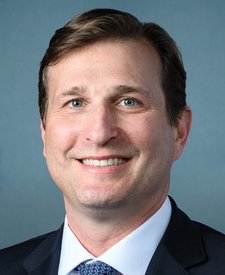
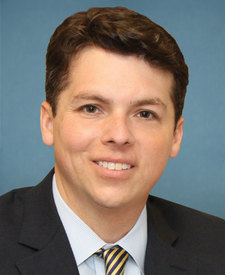
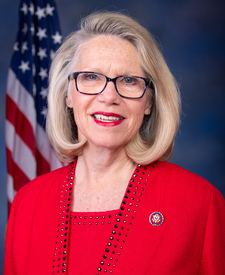
In CommitteeMr. Goldman of New York (for himself, Ms. Goodlander, Mr. …
Referred to the House Committee on Oversight and Government Reform.
Introduced in House
Stakeholder Effects
cui bono?How this legislation distributes effects. Mention counts reflect frequency, not effect magnitude.
Bureau of Prisons institutions, Bureau of Prisons supervisors, Federal correctional officers
Bureau of Prisons payroll staff, Federal retirement administrators, OPM classification staff
Bill Structure & Actor Mappings
Who is "The Secretary" in each section?
We use a combination of our own taxonomy and classification in addition to large language models to assess meaning and potential beneficiaries. High confidence means strong textual evidence. Always verify with the original bill text.
Learn more about our methodology