To modify the procedures for investigating claims of evasion of antidumping and countervailing duty orders.
Summary
What This Bill Does
The bill amends section 517 of the Tariff Act of 1930. Today, evasion investigations generally begin through allegations or referrals. This bill lets the Commissioner self-initiate an investigation when CBP has information reasonably suggesting covered merchandise entered the United States through evasion. The same terms and conditions that govern allegations and referrals would apply to self-initiated cases. It also adds a judicial-review condition: a person determined to have entered covered merchandise through evasion may seek review only if all liquidated duties, charges, or exactions have already been paid.
Who Benefits and How
Domestic manufacturers protected by antidumping or countervailing-duty orders benefit from faster government-initiated enforcement against suspected evasion. Workers in protected domestic industries gain a stronger enforcement backstop when imports may be avoiding duties. CBP trade-enforcement offices gain explicit authority to act on their own information rather than waiting for an outside allegation or referral.
Who Bears the Burden and How
Importing manufacturers accused of evasion face higher enforcement exposure because CBP can start cases on its own. Importing manufacturers found to have evaded orders must pay all liquidated duties, charges, or exactions before court review, creating a cash-flow burden. CBP investigators must handle any additional self-initiated cases.
Key Provisions
- Amends the Tariff Act to authorize CBP self-initiated antidumping and countervailing-duty evasion investigations.
- Requires self-initiated investigations to follow the same procedural conditions used for allegations and referrals.
- Limits judicial review by requiring persons found to have entered covered merchandise through evasion to pay all liquidated duties, charges, or exactions first.
Evidence Chain:
This summary is generated from the full bill text using AI analysis. Expand "Detailed Analysis" below for identified beneficiaries/burden bearers with clause-level evidence links.
At a Glance
What This Bill Does
Expands antidumping and countervailing-duty evasion enforcement by allowing CBP to self-initiate evasion investigations and limiting judicial review for evaders until liquidated duties and charges are paid.
Key Policy Areas
Trade, Government Operations
Primary Purpose
Expands antidumping and countervailing-duty evasion enforcement by allowing CBP to self-initiate evasion investigations and limiting judicial review for evaders until liquidated duties and charges are paid.
Policy Domains
Substantive provisions
Identified Gains
- Domestic manufacturers protected by trade-remedy orders
- Workers in protected domestic industries
- CBP trade-enforcement offices
Identified Costs
- Importing manufacturers accused of evasion
- Importing manufacturers found liable for evasion
- CBP investigators
Sponsors




Legislative Progress
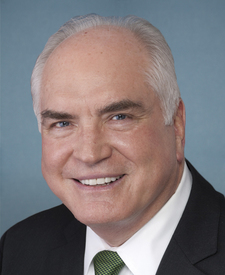
In CommitteeMr. Kelly of Pennsylvania (for himself and Mr. Deluzio) introduced …
Referred to the House Committee on Ways and Means.
Introduced in House
Stakeholder Effects
cui bono?How this legislation distributes effects. Mention counts reflect frequency, not effect magnitude.
Domestic manufacturers protected by trade remedies, Importing manufacturers accused of evasion
Positive-direction: Domestic manufacturers protected by trade remedies
Negative-direction: Importing manufacturers accused of evasion
Bill Structure & Actor Mappings
Who is "The Secretary" in each section?
We use a combination of our own taxonomy and classification in addition to large language models to assess meaning and potential beneficiaries. High confidence means strong textual evidence. Always verify with the original bill text.
Learn more about our methodology