RCORP Authorization Act
Summary
What This Bill Does
Permanently authorizes the Rural Communities Opioid Response Program and its grant and cooperative-agreement funding for rural substance use disorder prevention, treatment, recovery, and related public health work.
Who Benefits and How
States, Tribal organizations, State offices of rural health, and other eligible entities in rural communities gain a continued federal funding stream to expand opioid and substance-use-response services.
Who Bears the Burden and How
HRSA must continue administering the program, reviewing applications, and overseeing multi-year awards and compliance rules.
Key Provisions
- Maintains the Rural Communities Opioid Response Program within HRSA.
- Allows grants and cooperative agreements for planning, direct services, technical assistance, evaluation, and response to emerging substance-use issues in rural areas.
- Authorizes $165 million annually for fiscal years 2026 through 2030.
Evidence Chain:
This summary is generated from the full bill text using AI analysis. Expand "Detailed Analysis" below for identified beneficiaries/burden bearers.
At a Glance
What This Bill Does
Permanently authorizes the Rural Communities Opioid Response Program and its grant and cooperative-agreement funding for rural substance use disorder prevention, treatment, recovery, and related public health work.
Key Policy Areas
Healthcare, Social Welfare, Government Operations
Primary Purpose
Permanently authorizes the Rural Communities Opioid Response Program and its grant and cooperative-agreement funding for rural substance use disorder prevention, treatment, recovery, and related public health work.
Policy Domains
Main Provisions
Identified Gains
Contextual inference, no direct clause citation- Eligible rural health entities and coalitions
- Rural residents needing substance use disorder services
Contextual inference, no direct clause citation
Identified Costs
Contextual inference, no direct clause citation- Health Resources and Services Administration administrators
Contextual inference, no direct clause citation
Sponsors
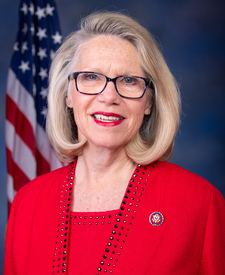
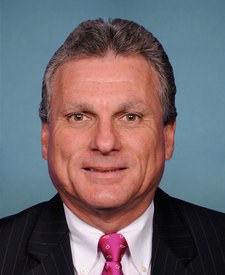

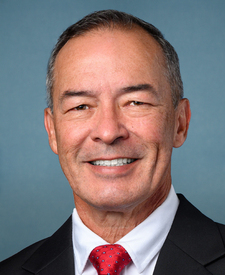
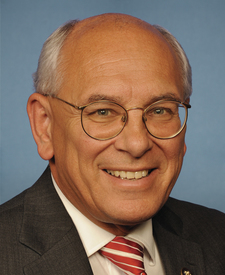
Legislative Progress
In CommitteeMrs. Miller of West Virginia (for herself, Mr. Tonko, Mr. …
Referred to the House Committee on Energy and Commerce.
Introduced in House
Stakeholder Effects
cui bono?How this legislation distributes effects. Mention counts reflect frequency, not effect magnitude.
Eligible rural health entities and coalitions, Rural residents needing substance use disorder services
Health Resources and Services Administration administrators
Bill Structure & Actor Mappings
Who is "The Secretary" in each section?
- "the secretary"
- → Secretary of Health and Human Services
- "the administrator"
- → Administrator of the Health Resources and Services Administration
We use a combination of our own taxonomy and classification in addition to large language models to assess meaning and potential beneficiaries. High confidence means strong textual evidence. Always verify with the original bill text.
Learn more about our methodology