To require the United States Trade Representative to request a dispute resolution panel with Mexico under the USMCA, initiate an investigation under the Trade Act of 1974, or require, during the first joint review of the USMCA, that Mexico comply with certain obligations under the USMCA with respect to certain actions taken by Mexico that favor its state-owned electrical utility and state-owned petroleum company.
Analysis under review: This bill has generated analysis that may be too generic or incomplete. Clause-level evidence remains available below.
Summary
What This Bill Does
This bill, known as the Mexican Energy Trade Enforcement Act, requires the United States Trade Representative (USTR) to take action against Mexico for policies that unfairly favor its state-owned energy companies over American competitors. The bill responds to Mexico's actions that benefit its national electric utility (Comision Federal de Electricidad) and petroleum company (Petroleos Mexicanos), which the U.S. argues violate the United States-Mexico-Canada Agreement (USMCA).
Who Benefits and How
US Energy Companies are the primary beneficiaries. American energy firms operating in Mexico or exporting energy to Mexico would gain fairer access to the Mexican market if Mexico complies with USMCA obligations. The bill seeks to end discriminatory treatment that currently gives Mexican state-owned enterprises an advantage over private US competitors in areas like market access and investment.
Who Bears the Burden and How
Mexico's State-Owned Energy Enterprises (Comision Federal de Electricidad and Petroleos Mexicanos) would face pressure to operate on a more level playing field, losing preferential treatment from the Mexican government. The United States Trade Representative must take action within the existing USMCA framework by either requesting a formal dispute resolution panel or demanding compliance during the first joint review of the trade agreement. USTR must also submit a report to Congress within 90 days detailing what actions were taken.
Key Provisions
- Requires USTR to either request a dispute resolution panel under USMCA Article 31.6, or demand that Mexico provide non-discriminatory access to US energy companies during the first USMCA joint review
- Mandates USTR to submit a report within 90 days to the House Ways and Means Committee and Senate Finance Committee on actions taken
- Targets specific Mexican policies identified in a July 2022 US dispute settlement consultation request
- Invokes USMCA chapters on Market Access (2), Investments (14), and State-Owned Enterprises (22) as the basis for compliance requirements
Evidence Chain:
This summary is generated from the full bill text using AI analysis. Expand "Detailed Analysis" below for identified beneficiaries/burden bearers.
At a Glance
What This Bill Does
This bill requires the US Trade Representative to take actions against Mexico for favoring its state-owned energy companies, which negatively impact US commerce.
Key Policy Areas
Trade, Energy
Primary Purpose
This bill requires the US Trade Representative to take actions against Mexico for favoring its state-owned energy companies, which negatively impact US commerce.
Policy Domains
Sponsors


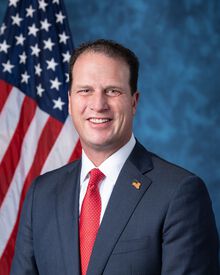

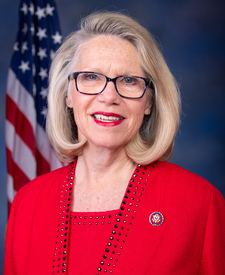
Legislative Progress
IntroducedMr. Arrington (for himself, Mr. Cuellar, Mrs. Miller of West …
Impact analysis is available but no clear stakeholder effects identified. View clause-level analysis →
Bill Structure & Actor Mappings
Who is "The Secretary" in each section?
- "the_secretary"
- → United States Trade Representative
Key Definitions
Terms defined in this bill
United States-Mexico-Canada Agreement as defined in section 3(9) of the USMCA Implementation Act.
We use a combination of our own taxonomy and classification in addition to large language models to assess meaning and potential beneficiaries. High confidence means strong textual evidence. Always verify with the original bill text.
Learn more about our methodology