Preventive Health Savings Act
Summary
What This Bill Does
The Preventive Health Savings Act changes how preventive health legislation can be scored. When the chair and ranking minority member of the relevant Budget Committee and the chair and ranking member of the primary jurisdiction committee jointly request it, the CBO Director must determine whether proposed legislation would produce net reductions in budget outlays in budgetary outyears through preventive health care. If so, CBO must include a description and estimate of those outyear reductions and the basis for the conclusion, and may prepare projections covering some or all of two consecutive 10-year periods that begin 10 years after the current fiscal year. The estimate is expressly supplementary and cannot be used to determine compliance with the Congressional Budget Act or other budget enforcement controls. The bill defines preventive health care broadly as actions to protect, promote, and maintain health and wellness and prevent disease, disability, and premature death using credible publicly available evidence.
Who Benefits and How
Sponsors of preventive health legislation benefit from a formal way to show long-range savings beyond the usual budget window. Public health advocates benefit if disease-prevention investments receive more budgetary context. Congressional committees benefit from supplementary estimates that explain outyear savings and evidence bases. Patients at risk of preventable disease benefit indirectly if prevention bills become easier to evaluate.
Who Bears the Burden and How
The Congressional Budget Office must produce additional preventive-health savings determinations and supplementary projections when requested. Committee leaders must make bipartisan joint requests before the long-range scoring process applies. Budget enforcement staff must separate supplementary estimates from enforceable scorekeeping. Opponents of prevention spending may face new long-range savings claims that do not count for enforcement.
Key Provisions
- Requires CBO to determine whether requested preventive-health legislation would reduce budget outlays in budgetary outyears.
- Provides supplementary estimates covering two consecutive 10-year periods beginning 10 years after the current fiscal year.
- Requires descriptions of estimated outyear savings and the basis for CBO's conclusions.
- Blocks use of the supplementary estimate for Congressional Budget Act compliance or other budgetary enforcement controls.
Evidence Chain:
This summary is generated from the full bill text using AI analysis. Expand "Detailed Analysis" below for identified beneficiaries/burden bearers with clause-level evidence links.
At a Glance
What This Bill Does
Lets CBO provide supplementary long-range estimates of preventive-health savings for legislation when bipartisan budget and jurisdictional committee leaders request them.
Key Policy Areas
Budget Scoring, Preventive Health, Congress
Primary Purpose
Lets CBO provide supplementary long-range estimates of preventive-health savings for legislation when bipartisan budget and jurisdictional committee leaders request them.
Policy Domains
Resolution provisions
Identified Gains
- Sponsors of preventive health legislation
- Public health advocates
- Congressional committees
- Patients at risk of preventable disease
Identified Costs
- Congressional Budget Office
- Committee leaders
- Budget enforcement staff
- Opponents of prevention spending
Sponsors
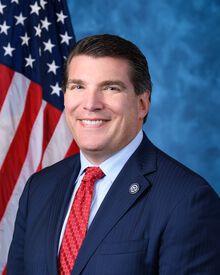


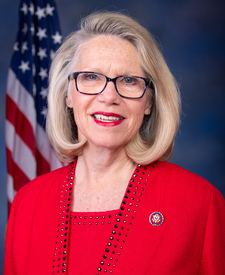

Legislative Progress
In CommitteeMr. Obernolte (for himself, Ms. DeGette, Mr. Peters, and Mr. …
Introduced in House
Referred to the House Committee on the Budget.
Stakeholder Effects
cui bono?How this legislation distributes effects. Mention counts reflect frequency, not effect magnitude.
Committee leaders, Sponsors of preventive health legislation
Budget enforcement staff, Congressional Budget Office
Bill Structure & Actor Mappings
Who is "The Secretary" in each section?
We use a combination of our own taxonomy and classification in addition to large language models to assess meaning and potential beneficiaries. High confidence means strong textual evidence. Always verify with the original bill text.
Learn more about our methodology