Remembering the victims of the 1989 Tiananmen Square Massacre, and condemning the widespread repression against citizens, the transnational repression against activists and others individuals, and the systematic efforts to undermine human rights norms within and outside of the United Nations system by the People's Republic of China.
Analysis under review: This bill has generated analysis that may be too generic or incomplete. Clause-level evidence remains available below.
Summary
What This Bill Does
This bill, Remembering the victims of the 1989 Tiananmen Square Massacre, and condemning the widespread repression against citizens, the transnational repression against activists and others individuals, and the systematic efforts to undermine human rights norms within and outside of the United Nations system by the People's Republic of China., changes federal law or congressional policy affecting law enforcement, courts, victims, and regulated public-safety actors. The main policy domain is Criminal Justice, Foreign Policy, Immigration.
Who Benefits and How
law enforcement, courts, victims, and regulated public-safety actors may benefit from new authority, funding, eligibility, regulatory clarity, or reduced risk created by the bill.
Who Bears the Burden and How
federal implementing agencies, law enforcement, courts, victims, and regulated public-safety actors may take on implementation duties, reporting obligations, compliance costs, or oversight responsibilities.
Key Provisions
- Section S1: That the Senate— stands in solidarity with families of the individuals who lost their lives, underwent torture, or were imprisoned for their involvement in the...
Evidence Chain:
This summary is generated from the full bill text using AI analysis. Expand "Detailed Analysis" below for identified beneficiaries/burden bearers with clause-level evidence links.
At a Glance
What This Bill Does
This bill, Remembering the victims of the 1989 Tiananmen Square Massacre, and condemning the widespread repression against citizens, the transnational repression against activists and others individuals, and the systematic efforts to undermine human rights norms within and outside of the United Nations system by the People's Republic of China., changes federal law or congressional policy affecting law enforcement, courts, victims, and regulated public-safety actors.
Key Policy Areas
Criminal Justice, Foreign Policy, Immigration
Primary Purpose
This bill, Remembering the victims of the 1989 Tiananmen Square Massacre, and condemning the widespread repression against citizens, the transnational repression against activists and others individuals, and the systematic efforts to undermine human rights norms within and outside of the United Nations system by the People's Republic of China., changes federal law or congressional policy affecting law enforcement, courts, victims, and regulated public-safety actors.
Policy Domains
Whole bill
Identified Gains
- law enforcement, courts, victims, and regulated public-safety actors
Identified Costs
- federal implementing agencies
- law enforcement, courts, victims, and regulated public-safety actors
Sponsors

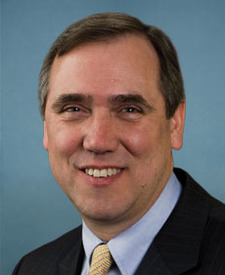
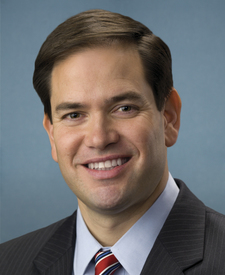
Legislative Progress
In CommitteeMr. Cardin (for himself, Mr. Merkley, and Mr. Rubio) submitted …
Impact analysis is available but no clear stakeholder effects identified. View clause-level analysis →
Bill Structure & Actor Mappings
Who is "The Secretary" in each section?
- "the_commission"
- → The commission identified in the operative section
We use a combination of our own taxonomy and classification in addition to large language models to assess meaning and potential beneficiaries. High confidence means strong textual evidence. Always verify with the original bill text.
Learn more about our methodology