Tyler’s Law
Summary
What This Bill Does
Requires the Secretary of Health and Human Services, acting through the Assistant Secretary for Mental Health and Substance Use, to complete a study within three years on fentanyl and fentanyl-related testing in hospital emergency departments when patients are experiencing overdoses. The study must examine how often hospitals test, when they do not test, testing costs, benefits and risks for patients, training needs, privacy and security of protected health information, effects on the patient-clinician relationship, and barriers to implementation. Within nine months after the study, HHS/SAMHSA must issue guidance on whether emergency departments should use fentanyl testing routinely for overdose patients and how hospitals can educate clinicians about what routine drug tests actually screen for.
Who Benefits and How
Overdose patients, emergency department clinicians, hospital toxicology laboratories, addiction medicine teams, public health researchers, and families affected by fentanyl overdoses benefit from clearer evidence about when fentanyl testing improves care and future overdose-risk reduction. Hospitals get federal guidance on testing practices, training needs, privacy protections, and available federal resources.
Who Bears the Burden and How
HHS, SAMHSA, hospital emergency departments, emergency physicians, nurses, laboratory directors, and hospital privacy officers must support study data collection, evaluate costs and barriers, train staff if testing expands, and protect patients' health information. Fentanyl test manufacturers may see demand changes if guidance recommends broader testing.
Key Provisions
- Requires HHS/SAMHSA to study fentanyl and fentanyl-related testing in emergency departments within three years.
- Requires analysis of testing frequency, non-testing scenarios, costs, patient benefits and risks, staff training needs, privacy, and patient-clinician relationships.
- Requires recommendations on barriers to implementing fentanyl testing in hospital emergency departments.
- Requires HHS/SAMHSA guidance within nine months after the study on routine overdose testing and clinician awareness of drug-test panels.
- Defines hospital emergency department to include hospital emergency departments and independent freestanding emergency departments.
Evidence Chain:
This summary is generated from the full bill text using AI analysis. Expand "Detailed Analysis" below for identified beneficiaries/burden bearers with clause-level evidence links.
At a Glance
What This Bill Does
Requires HHS/SAMHSA to study fentanyl and fentanyl-related overdose testing in hospital emergency departments and then issue guidance on whether and how emergency departments should implement routine testing for overdose patients.
Key Policy Areas
Health Care, Public Health, Substance Use
Primary Purpose
Requires HHS/SAMHSA to study fentanyl and fentanyl-related overdose testing in hospital emergency departments and then issue guidance on whether and how emergency departments should implement routine testing for overdose patients.
Policy Domains
Substantive provisions
Identified Gains
- Overdose patients
- Emergency department clinicians
- Hospital toxicology laboratories
- Addiction medicine teams
- Public health researchers
- Families affected by fentanyl overdoses
Identified Costs
- Department of Health and Human Services
- Substance Abuse and Mental Health Services Administration
- Hospital emergency departments
- Emergency physicians
- Hospital privacy officers
- Fentanyl test manufacturers
Sponsors

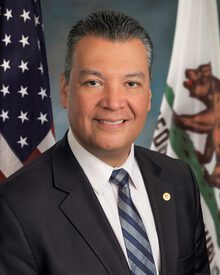



Legislative Progress
Passed SenateHeld at the desk.
Received in the House.
Message on Senate action sent to the House.
Passed Senate with an amendment by Unanimous Consent. (consideration: CR …
Passed/agreed to in Senate: Passed Senate with an amendment by …
Reported by Mr. Cassidy, with an amendment
Placed on Senate Legislative Calendar under General Orders. Calendar No. …
Committee on Health, Education, Labor, and Pensions. Reported by Senator …
Committee on Health, Education, Labor, and Pensions. Ordered to be …
Mr. Banks (for himself, Mr. Padilla, Mr. Grassley, Mr. Warner, …
Stakeholder Effects
cui bono?How this legislation distributes effects. Mention counts reflect frequency, not effect magnitude.
Substance Abuse and Mental Health Services Administration
Bill Structure & Actor Mappings
Who is "The Secretary" in each section?
- "secretary"
- → Secretary of Health and Human Services
- "assistant_secretary"
- → Assistant Secretary for Mental Health and Substance Use
We use a combination of our own taxonomy and classification in addition to large language models to assess meaning and potential beneficiaries. High confidence means strong textual evidence. Always verify with the original bill text.
Learn more about our methodology