To require executive branch employees to report certain royalties, and for other purposes.
Summary
What This Bill Does
The Royalty Transparency Act makes federal invention royalties and ethics waivers more visible. It adds members of major public-health and science advisory committees to financial-disclosure coverage, requires GAO to publish annual lists of covered committees, requires reporting of the source and value of royalties tied to inventions developed in government employment, requires ethics waivers and exemptions to be reported to Congress with justification, requires agencies to furnish mostly unredacted disclosure reports to Members of Congress, requires annual public reports listing covered individuals and royalty sources and values, and directs procurement officials to update organizational-conflict-of-interest rules.
Who Benefits and How
Congressional oversight committees benefit from royalty disclosures, waiver justifications, and access to executive branch financial disclosure reports. The public benefits from agency websites listing covered officials and the original source and value of reported royalties. Government ethics watchdogs benefit from clearer information about royalties received by officials, spouses, and dependent children. Federal procurement officers benefit from updated organizational-conflict-of-interest rules for advisory or contractor roles.
Who Bears the Burden and How
Executive branch employees and special government employees who receive federal invention royalties must disclose original source and value information. Public-health advisory committee members face expanded financial-disclosure coverage if their recommendations were implemented. Agency ethics offices must publish reports, respond to congressional requests, and track confidential disclosure filers. GAO, OGE, OMB, and the Federal Acquisition Regulatory Council must produce lists, consult on reporting, and update regulations.
Key Provisions
- Expands financial-disclosure coverage to members of specified public-health and science advisory committees.
- Requires disclosure of original source and amount or value of royalties tied to inventions developed during federal employment.
- Requires ethics waivers and exemptions to be reported to Congress with detailed justifications.
- Directs agencies to publish annual royalty reports and furnish mostly unredacted reports to Members of Congress.
- Requires procurement regulators to update organizational-conflict-of-interest rules.
Evidence Chain:
This summary is generated from the full bill text using AI analysis. Expand "Detailed Analysis" below for identified beneficiaries/burden bearers with clause-level evidence links.
At a Glance
What This Bill Does
Expands royalty and conflict-of-interest transparency for executive branch employees and public-health advisory committee members, requiring disclosure of federal invention royalties, congressional access to reports, annual agency publication, GAO committee lists, and acquisition conflict rules.
Key Policy Areas
Government Ethics, Public Health, Federal Procurement
Primary Purpose
Expands royalty and conflict-of-interest transparency for executive branch employees and public-health advisory committee members, requiring disclosure of federal invention royalties, congressional access to reports, annual agency publication, GAO committee lists, and acquisition conflict rules.
Policy Domains
Bill provisions
Identified Gains
- Congressional oversight committees
- Public watchdog groups
- Government ethics offices
- Federal procurement officers
Identified Costs
- Executive branch employees receiving royalties
- Public-health advisory committee members
- Agency ethics offices
- GAO
- Federal Acquisition Regulatory Council
Sponsors

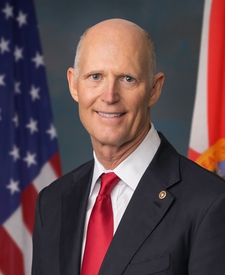
Rand Paul
R-KY | Primary Sponsor
Legislative Progress
ReportedReported by Mr. Paul, with amendments
Mr. Paul (for himself and Mr. Scott of Florida) introduced …
Stakeholder Effects
cui bono?How this legislation distributes effects. Mention counts reflect frequency, not effect magnitude.
Agency ethics offices, Congressional oversight committees, Federal Acquisition Regulatory Council
Positive-direction: Congressional oversight committees, Federal procurement officers, Government ethics offices
Negative-direction: Agency ethics offices, Federal Acquisition Regulatory Council, GAO
Executive branch employees receiving royalties
Bill Structure & Actor Mappings
Who is "The Secretary" in each section?
- "gao"
- → Government Accountability Office
- "oge"
- → Office of Government Ethics
We use a combination of our own taxonomy and classification in addition to large language models to assess meaning and potential beneficiaries. High confidence means strong textual evidence. Always verify with the original bill text.
Learn more about our methodology