Billion Dollar Boondoggle Act of 2025
Summary
What This Bill Does
Requires the OMB Director to issue guidance within one year requiring executive agencies and independent regulatory agencies to submit annual information on covered projects. A covered project is a major acquisition, major defense acquisition program, procurement, construction project, remediation or cleanup effort, or other time-limited endeavor funded by a covered agency that is more than five years behind schedule or at least $1 billion over the original cost estimate. OMB must submit the annual report to Congress and post it publicly.
Who Benefits and How
Congressional oversight committees, taxpayers, government watchdog organizations, inspectors general, procurement reform advocates, and journalists benefit from public data on billion-dollar overruns and five-year delays. The report exposes project purpose, location, contract or award number, initiation year, federal cost share, primary contractors, subcontractors, grant recipients, scope changes, schedule slips, cost growth, reasons for delay or overruns, and award or incentive fees.
Who Bears the Burden and How
OMB, executive agencies, independent regulatory agencies, project managers, major defense acquisition program offices, federal contractors, subcontractors, grant recipients, and subgrantees must collect, standardize, justify, and publish detailed project information. Contractors and agencies connected to delayed or over-budget projects face public and congressional scrutiny.
Key Provisions
- Defines covered agencies to include executive agencies and independent regulatory agencies.
- Defines covered projects as major federally funded efforts more than five years late or at least $1 billion over original cost estimates.
- Requires OMB guidance for annual agency submissions within one year.
- Requires project descriptions, locations, contract numbers, start years, federal cost share, contractors, subcontractors, grant recipients, scope changes, schedules, costs, and explanations.
- Requires disclosure of award, incentive fee, or bonus amounts and rationales.
- Requires OMB to send the annual report to Congress and post it publicly.
Evidence Chain:
This summary is generated from the full bill text using AI analysis. Expand "Detailed Analysis" below for identified beneficiaries/burden bearers with clause-level evidence links.
At a Glance
What This Bill Does
Requires OMB to publish annual reports on major federally funded projects that are more than five years late or at least $1 billion over the original cost estimate, including contractors, locations, costs, schedule changes, and bonus payments.
Key Policy Areas
Government Oversight, Federal Procurement, Budget
Primary Purpose
Requires OMB to publish annual reports on major federally funded projects that are more than five years late or at least $1 billion over the original cost estimate, including contractors, locations, costs, schedule changes, and bonus payments.
Policy Domains
Substantive provisions
Identified Gains
- Congressional oversight committees
- Federal taxpayers
- Government watchdog organizations
- Inspectors general
- Procurement reform advocates
- Journalists
Identified Costs
- Office of Management and Budget
- Executive agencies
- Independent regulatory agencies
- Major federal contractors
- Federal subcontractors
- Grant recipients
- Project managers
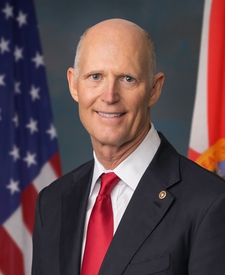
Sponsors




Legislative Progress
Passed SenateCommittee on Small Business and Entrepreneurship. Hearings held.
Message on Senate action sent to the House.
Held at the desk.
Message on Senate action sent to the House.
Passed Senate without amendment by Unanimous Consent. (consideration: CR S8693-8694; …
Passed/agreed to in Senate: Passed Senate without amendment by Unanimous …
Passed Senate (inferred from es version)
Placed on Senate Legislative Calendar under General Orders. Calendar No. …
Committee on Homeland Security and Governmental Affairs. Reported by Senator …
Reported by Mr. Paul, without amendment
Stakeholder Effects
cui bono?How this legislation distributes effects. Mention counts reflect frequency, not effect magnitude.
Congressional oversight committees, Executive agencies with large projects, Independent regulatory agencies with large projects
Bill Structure & Actor Mappings
Who is "The Secretary" in each section?
- "director"
- → Director of the Office of Management and Budget
We use a combination of our own taxonomy and classification in addition to large language models to assess meaning and potential beneficiaries. High confidence means strong textual evidence. Always verify with the original bill text.
Learn more about our methodology