To limit eligibility for Federal benefits for certain immigrants, and for other purposes.
Analysis under review: This bill has generated analysis that may be too generic or incomplete. Clause-level evidence remains available below.
Summary
What This Bill Does
The bill amends the Personal Responsibility and Work Opportunity Reconciliation Act to remove exceptions that previously allowed asylees and certain other non-citizens to access federal public benefits, narrowing eligibility, requires makes children ineligible for Head Start early childhood education programs if the child is not a citizen/refugee AND has a parent who is unlawfully present, a parolee, asylee, TPS holder, DACA recipient, and exempts bars parolees, DACA recipients, asylees, TPS holders, and those with withholding of removal from Medicaid coverage by redefining them as not lawfully present; excludes them from Medicare benefits; disqualifies. It relies on exemptions, definition changes, compliance mandates, and appropriations. The main policy areas are Immigration, Social Welfare, Healthcare, and Education.
Who Benefits and How
Non-sanctuary jurisdiction school districts could gain revenue opportunities, U.S. citizen taxpayers with children could gain revenue opportunities, and FEMA Shelter and Services Program could see lower costs.
Who Bears the Burden and How
Sanctuary city school districts could lose revenue opportunities, TPS holders needing healthcare could lose revenue opportunities, and TPS holders claiming tax credits could lose revenue opportunities.
Key Provisions
- Amends the Personal Responsibility and Work Opportunity Reconciliation Act to remove exceptions that previously allowed asylees and certain other non-citizens to access federal public benefits, narrowing eligibility...
- Requires makes children ineligible for Head Start early childhood education programs if the child is not a citizen/refugee AND has a parent who is unlawfully present, a parolee, asylee, TPS holder, DACA recipient...
- Exempts bars parolees, DACA recipients, asylees, TPS holders, and those with withholding of removal from Medicaid coverage by redefining them as not lawfully present; excludes them from Medicare benefits; disqualifies...
- Creates a new Social Security Act section 1899C explicitly barring parolees, DACA recipients, asylees, TPS holders, and those with withholding of removal from any Medicare entitlement or enrollment.
- Requires restricts federal housing assistance by removing asylum as a qualifying status, requiring verification of all family members' eligibility, barring federal housing loans to households with unlawfully present...
Evidence Chain:
This summary is generated from the full bill text using AI analysis. Expand "Detailed Analysis" below for identified beneficiaries/burden bearers with clause-level evidence links.
At a Glance
What This Bill Does
The bill amends the Personal Responsibility and Work Opportunity Reconciliation Act to remove exceptions that previously allowed asylees and certain other non-citizens to access federal public benefits, narrowing eligibility, requires makes children ineligible for Head Start early childhood education programs if the child is not a citizen/refugee AND has a parent who is unlawfully present, a parolee, asylee, TPS holder, DACA recipient, and exempts bars parolees, DACA recipients, asylees, TPS holders, and those with withholding of removal from Medicaid coverage by redefining them as not lawfully present; excludes them from Medicare benefits; disqualifies.
Key Policy Areas
Immigration, Social Welfare, Healthcare, Education
Primary Purpose
The bill amends the Personal Responsibility and Work Opportunity Reconciliation Act to remove exceptions that previously allowed asylees and certain other non-citizens to access federal public benefits, narrowing eligibility, requires makes children ineligible for Head Start early childhood education programs if the child is not a citizen/refugee AND has a parent who is unlawfully present, a parolee, asylee, TPS holder, DACA recipient, and exempts bars parolees, DACA recipients, asylees, TPS holders, and those with withholding of removal from Medicaid coverage by redefining them as not lawfully present; excludes them from Medicare benefits; disqualifies.
Policy Domains
Main Bill
Identified Gains
- Non-sanctuary jurisdiction school districts
- U.S. citizen taxpayers with children
- FEMA Shelter and Services Program
- Federal tax revenue
- Federal government healthcare expenditures
Identified Costs
- Sanctuary city school districts
- TPS holders needing healthcare
- TPS holders claiming tax credits
- Sanctuary state education agencies
- Parolees receiving federal public benefits
Sponsors
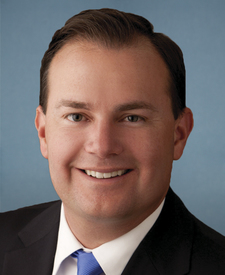
Mike Lee
R-UT | Primary Sponsor

Legislative Progress
IntroducedMr. Lee (for himself and Mr. Lankford) introduced the following …
Stakeholder Effects
cui bono?How this legislation distributes effects. Mention counts reflect frequency, not effect magnitude.
501(c)(3) organizations serving immigrants, Asylum seekers at the border, Asylum seekers receiving federal public benefits
FEMA Shelter and Services Program, Federal Medicare program, Federal agencies implementing immigration benefit restrictions
Positive-direction: FEMA Shelter and Services Program, Federal Medicare program, Federal child nutrition program expenditures, Federal government benefit programs, Federal government healthcare expenditures, Federal housing expenditures, Federal refugee assistance programs, Federal tax revenue, Immigration and Customs Enforcement
Negative-direction: Federal agencies implementing immigration benefit restrictions, HUD housing program administrators, IRS tax-exempt organization oversight
Asylum seekers needing healthcare, DACA recipients needing healthcare, Elderly asylum seekers seeking Medicare
Children of non-citizen parents seeking school meals, Non-sanctuary jurisdiction school districts, Sanctuary city school districts
Positive-direction: Non-sanctuary jurisdiction school districts
Negative-direction: Children of non-citizen parents seeking school meals, Sanctuary city school districts
Asylum seekers claiming tax credits, DACA recipients claiming tax credits, TPS holders claiming tax credits
Positive-direction: U.S. citizen taxpayers with children
Negative-direction: Asylum seekers claiming tax credits, DACA recipients claiming tax credits, TPS holders claiming tax credits, Work visa holders claiming tax credits
Asylum seekers seeking housing assistance, DACA recipients seeking housing assistance, Low-income housing tax credit property owners
Local governments managing migrant arrivals, Sanctuary state education agencies, State educational agencies in sanctuary states
Bill Structure & Actor Mappings
Who is "The Secretary" in each section?
- "the_secretary"
- → Varies by section - Secretary of HUD (Housing), Secretary of Education (ESEA), Secretary of Health and Human Services (Head Start, Social Security Act), Secretary of Treasury (IRS provisions), Administrator of FEMA (Section 7)
- "the_administrator"
- → Administrator of the Federal Emergency Management Agency
Note: The Secretary refers to different Cabinet officials depending on the section: HUD Secretary for housing (Sec. 5), Education Secretary for ESEA funding (Sec. 9), HHS Secretary for Head Start (Sec. 3) and Medicaid (Sec. 4), Treasury Secretary for tax provisions (Sec. 6)
Key Definitions
Terms defined in this bill
An alien granted parole, deferred action (including DACA), asylum, TPS, or withholding of removal
A State or political subdivision with laws, ordinances, regulations, directives, policies, or practices that obstruct Federal and local law enforcement agencies from enforcing Federal immigration law, including prohibiting information sharing about immigration status or denying DHS detainer requests
Any alien unlawfully present, granted asylum, parole, TPS, DACA/deferred action, or withholding of removal
We use a combination of our own taxonomy and classification in addition to large language models to assess meaning and potential beneficiaries. High confidence means strong textual evidence. Always verify with the original bill text.
Learn more about our methodology