To amend the Immigration and Nationality Act to promote family unity, and for other purposes.
Analysis under review: This bill has generated analysis that may be too generic or incomplete. Clause-level evidence remains available below.
Summary
What This Bill Does
The Reuniting Families Act reforms U.S. immigration law to reduce visa backlogs and keep immigrant families together. It recaptures hundreds of thousands of unused family and employment visas from 1992-2023, reclassifies spouses and minor children of legal permanent residents as immediate relatives (exempting them from numerical caps), and creates a new "permanent partner" category for same-sex couples and others who cannot legally marry.
Who Benefits and How
Immigrant families with approved petitions benefit from dramatically shorter wait times - some who have waited decades could receive visas within years. Spouses and children of permanent residents gain immediate relative status, avoiding multi-year backlogs. Same-sex couples and others in committed relationships who cannot legally marry gain equal treatment through the permanent partner provisions. Immigration attorneys and family reunification advocacy groups benefit from expanded visa availability and new legal pathways.
Who Bears the Burden and How
USCIS faces significantly increased workload processing recaptured visas and new applications. The State Department must process additional visa interviews at consulates abroad. There are no direct costs imposed on taxpayers - the bill relies on existing fee structures. Anti-immigration groups may view the expanded visa numbers as contrary to restrictionist policy goals.
Key Provisions
- Recaptures all unused family-sponsored (480,000/year base) and employment-based (140,000/year base) visas from 1992-2023
- Reclassifies spouses, permanent partners, and minor children of LPRs as immediate relatives (no numerical limits)
- Increases per-country visa limits from 7% to 20%
- Creates "permanent partner" definition for committed couples who cannot legally marry
- Expands waivers for inadmissibility and removal for family unity purposes
- Allows affirmative applications for cancellation of removal
Evidence Chain:
This summary is generated from the full bill text using AI analysis. Expand "Detailed Analysis" below for identified beneficiaries/burden bearers.
At a Glance
What This Bill Does
Reforms U.S. immigration law to promote family reunification by recapturing unused visas, reclassifying spouses and children of permanent residents as immediate relatives, expanding country limits, and creating legal recognition for permanent partners.
Key Policy Areas
Immigration, Family Policy, Civil Rights
Primary Purpose
Reforms U.S. immigration law to promote family reunification by recapturing unused visas, reclassifying spouses and children of permanent residents as immediate relatives, expanding country limits, and creating legal recognition for permanent partners.
Policy Domains
Title I - Family Unity and Visa Recapture
Identified Gains
Contextual inference, no direct clause citation- Immigrant families with approved petitions
- Spouses and children of legal permanent residents
- Orphans, widows, and widowers of US citizens/LPRs
- Immigration attorneys
Contextual inference, no direct clause citation
Identified Costs
Contextual inference, no direct clause citation- USCIS (increased processing workload)
- State Department consular offices
Contextual inference, no direct clause citation
Title II - Permanent Partners
Identified Gains
Contextual inference, no direct clause citation- Same-sex couples in committed relationships
- Couples unable to legally marry
- LGBTQ+ advocacy organizations
Contextual inference, no direct clause citation
Identified Costs
Contextual inference, no direct clause citation- USCIS (new category to adjudicate)
- Consular officers (additional relationship verification)
Contextual inference, no direct clause citation
Sponsors
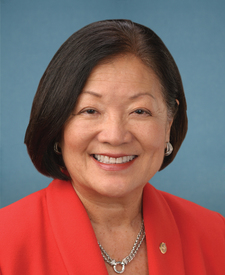

Legislative Progress
IntroducedMs. Hirono (for herself and Ms. Duckworth) introduced the following …
Stakeholder Effects
cui bono?How this legislation distributes effects. Mention counts reflect frequency, not effect magnitude.
Abused permanent partners eligible for self-petition, Children of Filipino WWII veterans naturalized under 1990 Act, Children of employment-based visa holders facing aging out
Positive-direction: Abused permanent partners eligible for self-petition, Children of Filipino WWII veterans naturalized under 1990 Act, Children of employment-based visa holders facing aging out, Couples unable to legally marry under state/foreign law, Crime victims with pending U visas, Diversity visa lottery winners affected by travel bans, Filipino-American veteran community, Immigrant families with approved petitions in visa backlogs, Immigrants with pending visa petitions or applications, K-visa holders and their families, Legal permanent residents seeking family reunification, Long-term undocumented immigrants with US family ties, Minor children of K-visa fiancees at risk of aging out, Minors who previously misrepresented citizenship, Nationals from Muslim-majority and African countries, Permanent partners of LPRs waiting for immigrant visas, Permanent partners of US citizens and LPRs, Permanent partners of US citizens seeking naturalization, Permanent partners of nonimmigrant visa holders, Permanent partners seeking to adjust status, Permanent partners seeking to immigrate, Previously deported aliens with US citizen or LPR family members, Same-sex couples in committed relationships, Spouses and children of H, E, L, O visa holders, Spouses and minor children of legal permanent residents, Undocumented immigrants with qualifying family or employment petitions, Widows, widowers, and orphans of US citizens and LPRs
Negative-direction: Individuals entering fraudulent permanent partnerships
DHS adjudication officers, ICE enforcement operations, Immigration Examinations Fee Account
Positive-direction: Immigration Examinations Fee Account
Negative-direction: DHS adjudication officers, ICE enforcement operations, Immigration courts, Immigration enforcement agencies, State Department consular offices, State Department refugee processing, USCIS adjudicators, USCIS and State Department processing staff, USCIS fraud detection operations, USCIS immigration processing services
Afghan and Iraqi special immigrant families, Family members of refugees, asylees, and special immigrants, Parents and guardians of unaccompanied refugee children
Permanent partners of EB-5 investor visa holders
Bill Structure & Actor Mappings
Who is "The Secretary" in each section?
- "the_secretary"
- → Secretary of Homeland Security
- "the_attorney_general"
- → Attorney General
- "the_secretary"
- → Secretary of Homeland Security
- "the_secretary_of_state"
- → Secretary of State
Note: The Secretary refers to Secretary of Homeland Security throughout both titles
Key Definitions
Terms defined in this bill
Expanded to include child, spouse, permanent partner, or parent of a US citizen OR child, spouse, or permanent partner of a lawful permanent resident
An individual 18+ in a committed, intimate relationship with another individual 18+, intending a lifelong commitment, financially interdependent, not married to anyone else, unable to legally marry each other, and not blood relations within three degrees
The relationship that exists between two permanent partners
We use a combination of our own taxonomy and classification in addition to large language models to assess meaning and potential beneficiaries. High confidence means strong textual evidence. Always verify with the original bill text.
Learn more about our methodology