Prescription Pricing for the People Act of 2025
Summary
What This Bill Does
The Prescription Pricing for the People Act directs the FTC to examine pharmaceutical supply-chain intermediaries such as pharmacy benefit managers, wholesalers, pharmacies, and plan-related entities. The study focuses on consolidation, merger activity, anticompetitive conduct, and how intermediaries affect drug prices and access, then requires Congress to receive complaint and enforcement information.
Who Benefits and How
Patients benefit if the FTC study exposes practices that raise prescription drug costs or limit pharmacy access. Independent pharmacies benefit from federal attention to PBM, wholesaler, and intermediary conduct that may squeeze reimbursement or market access. Employers and health plan sponsors benefit from better information about hidden fees, rebates, spreads, and consolidation in the drug supply chain. Congressional judiciary committees benefit from an FTC report that can support antitrust oversight or future legislation.
Who Bears the Burden and How
The FTC must conduct the study, gather market information, and report complaint data to Congress. Pharmacy benefit managers face scrutiny of pricing, rebate, reimbursement, and merger practices. Drug wholesalers and large pharmacy chains face possible examination of consolidation and anticompetitive conduct. Health plan intermediaries may need to respond to FTC information requests or enforcement attention.
Key Provisions
- Defines the FTC, appropriate committees, and pharmaceutical supply-chain intermediaries.
- Requires an FTC study of pharmaceutical supply-chain intermediaries and merger activity.
- Requires the FTC report to address anticompetitive conduct complaints and related market issues.
- Creates congressional oversight material on PBMs, pharmacies, wholesalers, and drug-pricing intermediaries.
Evidence Chain:
This summary is generated from the full bill text using AI analysis. Expand "Detailed Analysis" below for identified beneficiaries/burden bearers with clause-level evidence links.
At a Glance
What This Bill Does
Requires the Federal Trade Commission to study pharmaceutical supply-chain intermediaries, including pharmacy benefit managers and merger activity, and report anticompetitive conduct complaints to Congress.
Key Policy Areas
Health Care, Competition, Pharmaceuticals
Primary Purpose
Requires the Federal Trade Commission to study pharmaceutical supply-chain intermediaries, including pharmacy benefit managers and merger activity, and report anticompetitive conduct complaints to Congress.
Policy Domains
Bill provisions
Identified Gains
- Patients buying prescription drugs
- Independent pharmacies
- Employers sponsoring health plans
- Congressional judiciary committees
Identified Costs
- Federal Trade Commission
- Pharmacy benefit managers
- Drug wholesalers
- Large pharmacy chains
Sponsors
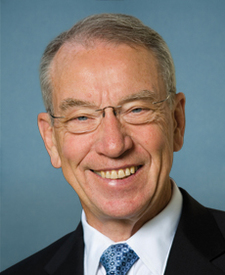
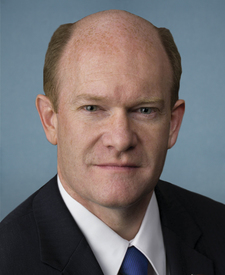

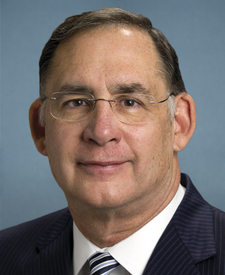

Legislative Progress
ReportedPlaced on Senate Legislative Calendar under General Orders. Calendar No. …
Reported by Mr. Grassley, without amendment
Committee on the Judiciary. Reported by Senator Grassley without amendment. …
Committee on the Judiciary. Ordered to be reported without amendment …
Introduced in Senate
Mr. Grassley (for himself, Ms. Cantwell, Mr. Marshall, Mr. Welch, …
Read twice and referred to the Committee on the Judiciary.
Mr. Grassley (for himself, Ms. Cantwell, Mr. Marshall, Mr. Welch, …
Stakeholder Effects
cui bono?How this legislation distributes effects. Mention counts reflect frequency, not effect magnitude.
Independent pharmacies, Large pharmacy chains
Positive-direction: Independent pharmacies
Negative-direction: Large pharmacy chains
Bill Structure & Actor Mappings
Who is "The Secretary" in each section?
- "commission"
- → Federal Trade Commission
We use a combination of our own taxonomy and classification in addition to large language models to assess meaning and potential beneficiaries. High confidence means strong textual evidence. Always verify with the original bill text.
Learn more about our methodology