To improve mental health services of the Department of Veterans Affairs, and for other purposes.
Analysis under review: This bill has generated analysis that may be too generic or incomplete. Clause-level evidence remains available below.
Summary
What This Bill Does
This bill, known as the BRAVE Act of 2024, makes comprehensive improvements to VA mental health services. It addresses staffing shortages by allowing more flexible hiring of mental health counselors, requires better coordination between VA health facilities and Vet Centers, and expands services for women veterans and those with spinal cord injuries.
Who Benefits and How
Veterans, especially women veterans, benefit from tailored suicide prevention resources and modified risk assessment programs. Veterans with spinal cord injuries gain access to residential mental health treatment programs at VA facilities. VA mental health counselors may benefit from pay reviews addressing disparities with private sector salaries.
Who Bears the Burden and How
The VA must conduct multiple reports and studies on staffing, coordination, and program effectiveness. The VA also must implement new outreach processes and modify existing programs like REACH VET. Community organizations receiving suicide prevention grants benefit from increased funding caps ($1M from $750K) and extended program duration (6 years from 3).
Key Provisions
- Requires VA to review pay disparities for mental health counselors compared to private sector
- Extends suicide prevention grant program from 3 to 6 years with increased funding caps
- Mandates pilot program for mental health residential treatment for veterans with spinal cord injuries
- Requires modification of REACH VET program to incorporate risk factors weighted for women veterans
Evidence Chain:
This summary is generated from the full bill text using AI analysis. Expand "Detailed Analysis" below for identified beneficiaries/burden bearers.
At a Glance
What This Bill Does
Improves VA mental health services through enhanced staffing, expanded Vet Center access, targeted programs for women veterans and those with spinal cord injuries, and extended suicide prevention grants
Key Policy Areas
Veterans Affairs, Mental Health, Healthcare
Primary Purpose
Improves VA mental health services through enhanced staffing, expanded Vet Center access, targeted programs for women veterans and those with spinal cord injuries, and extended suicide prevention grants
Policy Domains
Title I - Staffing and Coordination
Identified Gains
Contextual inference, no direct clause citation- VA mental health counselors
- Veterans seeking mental health services
Contextual inference, no direct clause citation
Identified Costs
Contextual inference, no direct clause citation- VA administrative staff
Contextual inference, no direct clause citation
Title II - Vet Center Improvements
Identified Gains
Contextual inference, no direct clause citation- Veterans in rural areas
- Veterans eligible for Vet Center services
Contextual inference, no direct clause citation
Identified Costs
Contextual inference, no direct clause citation- Vet Center staff
- VA IT administrators
Contextual inference, no direct clause citation
Title IV - Additional Programs
Identified Gains
Contextual inference, no direct clause citation- Community organizations providing veteran suicide prevention
- Veterans with spinal cord injuries
- Transitioning service members
Contextual inference, no direct clause citation
Identified Costs
Contextual inference, no direct clause citation- VA medical facilities
Contextual inference, no direct clause citation
Title III - Women Veterans Services
Identified Gains
Contextual inference, no direct clause citation- Women veterans
- Veterans experiencing military sexual trauma
Contextual inference, no direct clause citation
Identified Costs
Contextual inference, no direct clause citation- VA program administrators
Contextual inference, no direct clause citation
Sponsors
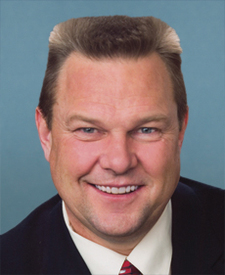
Legislative Progress
IntroducedMr. Tester introduced the following bill; which was read twice …
Stakeholder Effects
cui bono?How this legislation distributes effects. Mention counts reflect frequency, not effect magnitude.
Readjustment Counseling Service staff, VA IT administrators, VA REACH VET program administrators
Positive-direction: VA Readjustment Counseling Service mental health counselors, VA social workers and marriage/family therapists
Negative-direction: VA IT administrators, VA REACH VET program administrators, VA Readjustment Counseling Service, VA administrative officials, VA medical facilities, VA medical facility suicide prevention coordinators, VA mental health services, VA retreat program administrators, VA spinal cord injury centers, VA suicide prevention program administrators, Vet Center staff
Service members transitioning to civilian life, Veterans at high risk for suicide, Veterans at risk of suicide
Federal budget, VA and DOD program administrators
Community organizations providing veteran suicide prevention services
Bill Structure & Actor Mappings
Who is "The Secretary" in each section?
- "the_secretary"
- → Secretary of Veterans Affairs
- "the_under_secretary"
- → Under Secretary for Health
- "the_secretary"
- → Secretary of Veterans Affairs
- "comptroller_general"
- → Comptroller General of the United States
- "the_secretary"
- → Secretary of Veterans Affairs
- "the_secretary"
- → Secretary of Veterans Affairs
- "secretary_of_defense"
- → Secretary of Defense
Key Definitions
Terms defined in this bill
As defined in section 1712A(h) of title 38, United States Code - community-based counseling centers providing readjustment counseling services
The toll-free hotline for veterans established under section 1720F(h) of title 38, United States Code
We use a combination of our own taxonomy and classification in addition to large language models to assess meaning and potential beneficiaries. High confidence means strong textual evidence. Always verify with the original bill text.
Learn more about our methodology