To improve the effectiveness of body armor issued to female law enforcement agents and officers of the Federal Government, and for other purposes.
Analysis under review: This bill has generated analysis that may be too generic or incomplete. Clause-level evidence remains available below.
Summary
What This Bill Does
This bill, To improve the effectiveness of body armor issued to female law enforcement agents and officers of the Federal Government, and for other purposes., changes federal law or congressional policy affecting law enforcement, courts, victims, and regulated public-safety actors. The main policy domain is Criminal Justice, Government Operations, Technology.
Who Benefits and How
law enforcement, courts, victims, and regulated public-safety actors may benefit from new authority, funding, eligibility, regulatory clarity, or reduced risk created by the bill.
Who Bears the Burden and How
federal implementing agencies, law enforcement, courts, victims, and regulated public-safety actors may take on implementation duties, reporting obligations, compliance costs, or oversight responsibilities.
Key Provisions
- Section S1: 1. Short title This Act may be cited as the Female Officers Ballistic Protection Act.
- Section idf17e80efc6e64c258ffbb14b3989f641: 2. Defined term In this Act, the term ballistic resistant body armor means torso ballistic protection containing soft ballistic panels, hard ballistic panels,...
- Section id690475109dfb494291d016ed5e6ec32f: 3. Procurement of ballistic resistant body armor to ensure the protection of female agents and officers Every Federal department or agency that employs law...
- Section id97bcb359aa604027badd63752d186d58: 4. Effective date Not later than 3 years after the date of the enactment of this Act, all agents and officers of any Federal department or agency that employs...
Evidence Chain:
This summary is generated from the full bill text using AI analysis. Expand "Detailed Analysis" below for identified beneficiaries/burden bearers with clause-level evidence links.
At a Glance
What This Bill Does
This bill, To improve the effectiveness of body armor issued to female law enforcement agents and officers of the Federal Government, and for other purposes., changes federal law or congressional policy affecting law enforcement, courts, victims, and regulated public-safety actors.
Key Policy Areas
Criminal Justice, Government Operations, Technology
Primary Purpose
This bill, To improve the effectiveness of body armor issued to female law enforcement agents and officers of the Federal Government, and for other purposes., changes federal law or congressional policy affecting law enforcement, courts, victims, and regulated public-safety actors.
Policy Domains
Whole bill
Identified Gains
- law enforcement, courts, victims, and regulated public-safety actors
Identified Costs
- federal implementing agencies
- law enforcement, courts, victims, and regulated public-safety actors
Sponsors

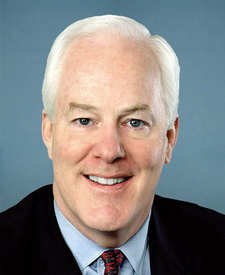
Jon Ossoff
D-GA | Primary Sponsor
Legislative Progress
IntroducedMr. Ossoff (for himself and Mr. Cornyn) introduced the following …
Impact analysis is available but no clear stakeholder effects identified. View clause-level analysis →
Bill Structure & Actor Mappings
Who is "The Secretary" in each section?
- "federal_implementing_agencies"
- → Federal agencies assigned duties by the bill
We use a combination of our own taxonomy and classification in addition to large language models to assess meaning and potential beneficiaries. High confidence means strong textual evidence. Always verify with the original bill text.
Learn more about our methodology