To establish the Wildlife Movement and Movement Area Grant Program and the State and Tribal Migration Research Program, and for other purposes.
Analysis under review: This bill has generated analysis that may be too generic or incomplete. Clause-level evidence remains available below.
Summary
What This Bill Does
The Wildlife Movement Through Partnerships Act creates a grant program through the National Fish and Wildlife Foundation to fund projects that conserve wildlife migration corridors for deer, elk, pronghorn, moose, and wild sheep. It also establishes a research program for states and tribes to study migration patterns and directs USGS to continue mapping wildlife corridors. The bill expands the Partners for Fish and Wildlife Program to include migration corridor work.
Who Benefits and How
State and tribal wildlife agencies receive funding for habitat conservation and migration research. Private landowners can participate in voluntary habitat leases and conservation easements. Conservation nonprofits and universities are eligible for grants. The National Fish and Wildlife Foundation administers the program and receives appropriations. Hunting and outdoor recreation interests benefit from big game conservation.
Who Bears the Burden and How
Federal agencies (Interior, Agriculture, Transportation) face new coordination requirements and program administration duties. However, the bill explicitly protects existing agricultural, livestock, forestry, energy, and mining operations from mandatory changes. Private property rights and public access for hunting are expressly preserved.
Key Provisions
- Creates Wildlife Movement and Movement Area Grant Program with 90% federal cost share (waivable for tribes)
- Establishes State and Tribal Migration Research Program administered by US Fish and Wildlife Service
- Requires 50% of funds go to big game movement area projects
- Appoints Senior Executive Service coordinator in Interior Department
Evidence Chain:
This summary is generated from the full bill text using AI analysis. Expand "Detailed Analysis" below for identified beneficiaries/burden bearers.
At a Glance
What This Bill Does
Establishes grant programs and research initiatives to conserve wildlife migration corridors and seasonal habitat for big game (deer, elk, pronghorn, moose, wild sheep) through partnerships with states, tribes, and private landowners
Key Policy Areas
Environment, Wildlife Conservation, Agriculture, Transportation, Tribal Affairs
Primary Purpose
Establishes grant programs and research initiatives to conserve wildlife migration corridors and seasonal habitat for big game (deer, elk, pronghorn, moose, wild sheep) through partnerships with states, tribes, and private landowners
Policy Domains
Whole Bill - Wildlife Movement Through Partnerships Act
Identified Gains
Contextual inference, no direct clause citation- State fish and wildlife agencies
- Indian Tribes
- Conservation nonprofits
- National Fish and Wildlife Foundation
- Private landowners
- Hunting and outdoor recreation community
Contextual inference, no direct clause citation
Identified Costs
Contextual inference, no direct clause citation- Department of the Interior
- USGS
- Federal land management agencies
Contextual inference, no direct clause citation
Sponsors
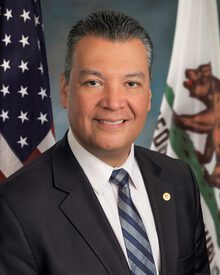
Legislative Progress
IntroducedMr. Padilla introduced the following bill; which was read twice …
Impact analysis is available but no clear stakeholder effects identified. View clause-level analysis →
Bill Structure & Actor Mappings
Who is "The Secretary" in each section?
- "the_secretary"
- → Secretary of the Interior
- "usgs_director"
- → Director of the United States Geological Survey
- "the_foundation"
- → National Fish and Wildlife Foundation
Key Definitions
Terms defined in this bill
Native species of large mammals including deer, elk, pronghorn, wild sheep, and moose for which State and Tribal wildlife agencies have established regulated means and methods of take
An area wildlife frequently use to move, including travel corridors, colonization routes, and seasonal habitat where migration has been observed and documented by state/tribal agencies or peer-reviewed scientific publications
State fish and wildlife agencies, state DOTs, Indian Tribes, conservation nonprofits, universities, national/regional fish and wildlife associations, Federal agencies, and county governments
We use a combination of our own taxonomy and classification in addition to large language models to assess meaning and potential beneficiaries. High confidence means strong textual evidence. Always verify with the original bill text.
Learn more about our methodology