Protecting American Taxpayers Act
Summary
What This Bill Does
The Protecting American Taxpayers Act is a multi-title anti-fraud package affecting child care, health programs, small-business aid, pandemic funds, TANF, domestic and foreign assistance, federal disbursements, public benefits, veterans, and government contractors.
Child Care and Development Block Grant payments would be based on recorded attendance rather than enrollment alone and made as reimbursement after services. Providers would keep attendance and service records for seven years and make them available to HHS, DOJ, and GAO auditors. HHS, health insurance exchanges, and State Medicaid and CHIP agencies would report geographic payment or provider counts that more than double in one year. HHS's inspector general would annually audit programs showing at least a 400-percent five-year increase. A separate provision would require an HHS inspector-general investigation whenever provider payments under any federally assisted State HHS program rise at least 10 percent over the prior six months.
OMB would direct agencies to recover all improper payments and disclose annual recoveries. Small businesses and associated owners, officers, directors, key employees, or controlling entities finally convicted of financial misconduct involving specified pandemic loans or grants would become ineligible for most future SBA financial assistance, while disaster loans and preexisting government agreements would be exempt. Unobligated balances from six major COVID-19 relief laws would be rescinded for deficit reduction unless the President waives a rescission for an account or program within 60 days.
A temporary six-year cost-cutting award system would let federal employees identify unneeded salary-and-expense balances. Agency inspectors general and chief financial officers would validate the amounts, agencies would transfer most savings to Treasury for deficit or debt reduction, and agencies could retain up to 10 percent for employee awards and lawful reprogramming. Senior agency heads and specified top officers could not receive cash awards. Agencies, Treasury, OPM, and GAO would file recurring reports. The President's budget would also disclose improper-payment trends, explanations, and incomplete corrective actions.
States operating TANF and related qualified-expenditure programs would become subject to federal improper-payment review and reporting laws. TANF funds would have to supplement rather than replace State spending. States would report work eligibility, monthly work hours, reasons for nonparticipation, and employment and earnings outcomes. HHS would set interoperable, nonproprietary data-exchange standards after consulting OMB and State governments.
Entities controlled by an agent of a covered foreign principal would be barred from direct or indirect United States financial assistance. Covered principals include governments, parties, persons, and organizations tied to 22 listed nations, under broad agency and control definitions. The restriction would not terminate foreign assistance or assistance to entities not so controlled.
The State Department would oppose assistance to the Taliban, develop a five-year reporting strategy, and immediately suspend United States foreign assistance to a country or nongovernmental organization that the Secretary determines assisted the Taliban. It would report on Afghanistan cash aid, the Afghan Fund, and Haqqani Network bounty decisions. Unobligated balances from a broad list of Afghanistan reconstruction accounts would be rescinded for deficit reduction. A nonbinding provision states conditions Congress believes should precede normalized Taliban relations, including counterterrorism, hostage, human-rights, women's-rights, and minority-rights actions.
Treasury and banking regulators would report on artificial-intelligence deepfake risks to financial accounts and recommend safeguards. Criminal and civil limitation periods for Shuttered Venue Operator and Restaurant Revitalization fraud would become 10 years, and a broader provision would create 10-year criminal, civil, forfeiture, false-claims, and administrative windows for covered pandemic-program violations, subject to a stated retroactivity limit.
Every agency payment sent through a Treasury disbursement system would carry a purpose, appropriation-account code, and activity code; agencies would verify the information annually, and OMB would direct publication within 30 days after certification. Treasury could use and redisclose National Directory of New Hires data, consumer reports, selected tax-return information, and Social Security identity data through the Do Not Pay system to prevent or recover improper payments. The authorized tax fields include taxpayer ID, filing status, adjusted gross income, Schedule C income or loss, filing year, identity-theft indicators, and nonfiling status for at least three tax years.
Applicants and recipients of covered public-assistance programs would have to declare under penalty of perjury that they will make no remittance transfer while receiving benefits. A recipient who later sends a remittance would face a $100,000 fine.
VA would designate a Veterans Scam and Fraud Evasion Officer through September 30, 2030, without increasing authorized full-time staffing. The officer would coordinate warnings, training, hotlines, incident response, metrics, and annual congressional reports. Finally, the bill would expand anti-reprisal protections for Defense, NASA, and other federal contractors, subcontractors, grantees, subgrantees, their current and former employees, and personal-services workers who refuse illegal orders or disclose waste, abuse, legal violations, or substantial public-health dangers. Those rights and remedies could not be waived, including through predispute arbitration agreements.
Who Benefits and How
Federal taxpayers and compliant program participants benefit when improper payments are prevented or recovered and unused balances reduce the deficit. Federal employees who identify surplus funds may receive awards. Compliant small businesses may face less competition from firms linked to convicted pandemic-aid fraud. Veterans and their families gain a central scam-prevention resource. Federal contractor and grantee whistleblowers gain broader, nonwaivable protection. Congress and oversight agencies gain more payment, fraud, TANF, Afghanistan, and artificial-intelligence risk information.
Who Bears the Burden and How
Child-care providers must bill by attendance, wait for reimbursement, retain seven years of records, and undergo federal audits. Health plans, State health agencies, TANF agencies, and federal payment officials must collect, verify, exchange, publish, and report more data. Benefit recipients face broader use of employment, credit, tax, and identity data, and covered recipients lose the ability to make remittance transfers without a severe fine. Pandemic-aid defendants face longer enforcement windows; convicted associates and linked small businesses lose access to most SBA aid. Programs lose unobligated COVID and Afghanistan balances. Foreign-agent-controlled entities and Taliban-supporting aid recipients lose financial assistance. Contractors and executive officials face stronger anti-retaliation duties and potential discipline.
Key Provisions
- Requires attendance-based child-care reimbursement and seven-year audit records.
- Triggers health-program fraud reporting and audits based on sharp payment or provider growth.
- Requires recovery and budget disclosure of improper federal payments.
- Bars specified fraud convicts and associated businesses from most SBA assistance.
- Rescinds unused COVID and Afghanistan reconstruction balances for deficit reduction.
- Creates a six-year employee award system for validated agency cost savings.
- Imposes TANF improper-payment, non-supplantation, work, and data-exchange rules.
- Bars domestic financial assistance to entities controlled by covered foreign agents.
- Suspends aid to countries and organizations determined to assist the Taliban.
- Extends covered pandemic-fraud enforcement periods to 10 years.
- Requires coded, verified, and public information for Treasury-disbursed payments.
- Expands Do Not Pay access to employment, credit, tax, and Social Security data.
- Prohibits covered public-assistance recipients from making remittance transfers.
- Creates a VA scam officer and expands contractor whistleblower protections.
Evidence Chain:
This summary is generated from the full bill text using AI analysis. Expand "Detailed Analysis" below for identified beneficiaries/burden bearers with clause-level evidence links.
At a Glance
What This Bill Does
Prevent, detect, recover, and prosecute fraud or improper federal payments by imposing new eligibility, reporting, data-sharing, recovery, enforcement, and whistleblower rules across benefit, grant, loan, foreign-assistance, and contracting programs.
Key Policy Areas
Federal Program Integrity, Public Benefits, Pandemic Relief, Foreign Assistance, Government Payments, Veterans, Whistleblower Protection
Primary Purpose
Prevent, detect, recover, and prosecute fraud or improper federal payments by imposing new eligibility, reporting, data-sharing, recovery, enforcement, and whistleblower rules across benefit, grant, loan, foreign-assistance, and contracting programs.
Policy Domains
Title XXI - TANF integrity and data standards
Identified Gains
- Federal taxpayers receiving stronger TANF integrity controls
- Program administrators using interoperable TANF data
Identified Costs
- State TANF agencies reviewing improper payments
- States maintaining general-revenue spending
- TANF families subject to expanded work-status reporting
- HHS officials issuing data standards and rules
Title XXIII - Taliban assistance policy, reports, and rescissions
Identified Gains
- Federal taxpayers receiving rescinded Afghanistan balances
- Congressional committees receiving Taliban financing reports
- Afghan women and girls included in assistance strategy
Identified Costs
- Countries determined to have assisted the Taliban
- Nongovernmental organizations determined to have assisted the Taliban
- Afghanistan reconstruction programs losing unobligated balances
- State Department officials implementing recurring reports
Title XI - Child care and health-payment fraud controls
Identified Gains
- Federal taxpayers protected from improper child-care and health payments
- Compliant health providers facing fewer fraudulent competitors
- Oversight officials receiving payment anomaly data
Identified Costs
- Child-care providers billing from recorded attendance
- Health plans submitting geographic payment data
- State Medicaid agencies reporting payment anomalies
- Federal agencies recovering and reporting improper payments
Title XXII - Domestic assistance restriction for foreign-controlled entities
Identified Gains
- Federal taxpayers protected from foreign-controlled domestic grants
- Uncontrolled assistance recipients retaining eligibility
Identified Costs
- Foreign-agent-controlled entities losing financial assistance
- Federal agencies screening ownership and control
- Pass-through entities checking subrecipients
Titles XII-XVI - Eligibility, rescission, recovery, and cost savings
Identified Gains
- Federal taxpayers receiving recovered or rescinded funds
- Federal employees earning validated cost-savings awards
- Compliant small businesses competing for SBA assistance
Identified Costs
- Fraud-convicted associates losing SBA eligibility
- Linked small businesses losing SBA eligibility
- Programs losing unobligated COVID balances
- Federal agencies transferring surplus operating funds
Titles XXXI-XXXV - Financial fraud, payment data, and benefit restrictions
Identified Gains
- Federal taxpayers protected from fraudulent disbursements
- Financial consumers benefiting from deepfake safeguards
- Oversight analysts receiving public payment-purpose data
Identified Costs
- Pandemic-program defendants facing longer enforcement periods
- Federal agencies verifying and publishing payment data
- Payment recipients subject to broader personal-data matching
- Public-assistance recipients barred from remittance transfers
Titles XXXVI-XXXVII - Veteran scam response and contractor whistleblowers
Identified Gains
- Veterans receiving coordinated scam prevention
- Federal contractor whistleblowers protected from reprisal
- Federal grantee whistleblowers receiving nonwaivable remedies
- Taxpayers benefiting from protected fraud disclosures
Identified Costs
- VA staff carrying new scam-response duties
- Federal contractors complying with expanded anti-reprisal rules
- Executive officials subject to discipline for requested reprisals
Sponsors


Legislative Progress
IntroducedRead the second time and placed on the calendar
Read the second time. Placed on Senate Legislative Calendar under …
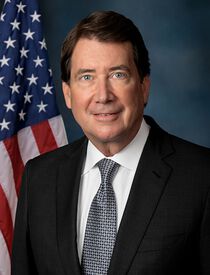
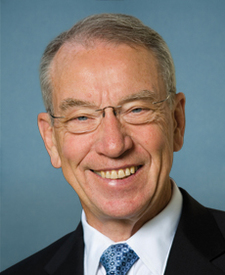
Ms. Ernst introduced the following bill; which was read the …
Introduced in the Senate. Read the first time. Placed on …
Introduced in Senate
Stakeholder Effects
cui bono?How this legislation distributes effects. Mention counts reflect frequency, not effect magnitude.
Agency chief financial officers administering transfers, Agency inspectors general validating proposed savings, Benefit agencies collecting perjury declarations
Positive-direction: Civil enforcement agencies pursuing pandemic claims, Congressional budget analysts reviewing improper-payment trends, Congressional committees monitoring Taliban assistance, Congressional committees reviewing Afghanistan cash controls, Federal officials measuring TANF employment outcomes, Federal prosecutors pursuing pandemic-grant fraud, Federal prosecutors using extended criminal limitation periods, Treasury program-integrity analysts accessing recipient data
Negative-direction: Agency chief financial officers administering transfers, Agency inspectors general validating proposed savings, Benefit agencies collecting perjury declarations, COVID relief programs losing unobligated balances, Executive agencies explaining unresolved improper payments, Executive branch officials reviewing rescission waivers, Executive officials requesting contractor reprisals, Executive officials subject to whistleblower-related discipline, Federal agencies coding and certifying each payment, Federal agencies conducting payment recovery, Federal agencies screening assistance recipients for foreign control, Federal agencies transferring surplus operating balances, Federal auditors reviewing child-care attendance records, HHS inspector-general auditors reviewing high-growth programs, HHS inspector-general investigators handling mandatory cases, HHS officials developing TANF data rules, HHS officials issuing TANF integrity rules, IRS officials disclosing specified return information, OMB officials compiling budget disclosures, OMB officials directing payment publication, OMB officials prescribing recovery guidance, SBA officials screening financial-assistance applicants, Social Security officials providing identity data, State Department officials compiling cash-assistance oversight, State Department officials implementing the assistance strategy, State Department officials reporting on Afghan Fund controls, Treasury officials issuing payment-information guidance, Treasury officials producing the deepfake report, VA inspector-general officials coordinating scam response, VA staff absorbing duties without additional positions
Federal taxpayers benefiting from protected fraud disclosures, Federal taxpayers protected by expanded payment screening, Federal taxpayers protected from TANF payment errors
State Medicaid agencies reporting payment anomalies, State TANF agencies collecting family work data, State TANF agencies reviewing improper payments
Positive-direction: TANF administrators using interoperable program data
Negative-direction: State Medicaid agencies reporting payment anomalies, State TANF agencies collecting family work data, State TANF agencies reviewing improper payments, State TANF budget officials documenting non-supplantation, State agencies implementing federal exchange standards, State child-care lead agencies reimbursing completed services, State health programs with rapid payment growth, States required to maintain general-revenue effort
Federal payment recipients subject to expanded data matching, Pandemic-program defendants facing extended enforcement, Prospective recipients of remaining COVID relief funds
Positive-direction: TANF families retaining combined State and federal support
Negative-direction: Federal payment recipients subject to expanded data matching, Pandemic-program defendants facing extended enforcement, Prospective recipients of remaining COVID relief funds, Public-assistance recipients exposed to a $100,000 fine, Public-assistance recipients making remittance transfers, Recipients pursued for improper federal payments, TANF families whose work status is reported, TANF recipients subject to payment review
Afghan Fund trustees subject to recurring scrutiny, Banks contributing artificial-intelligence fraud practices, Credit unions contributing artificial-intelligence fraud practices
Agency heads barred from federal cash awards, Federal employees earning cost-savings awards, Independent-establishment voting members barred from awards
Positive-direction: Federal employees earning cost-savings awards, Treasury disbursing officials receiving liability protection, VA employees receiving scam-response training
Negative-direction: Agency heads barred from federal cash awards, Independent-establishment voting members barred from awards
Compliant small businesses competing for SBA assistance, Fraud-convicted associates seeking SBA assistance, Pandemic-grant fraud defendants facing 10-year exposure
Positive-direction: Compliant small businesses competing for SBA assistance
Negative-direction: Fraud-convicted associates seeking SBA assistance, Pandemic-grant fraud defendants facing 10-year exposure, Small businesses linked to covered convicted associates
Afghanistan aid implementers documenting payment methods, Federal grantee whistleblowers receiving protected remedies, Nongovernmental organizations determined to have assisted the Taliban
Positive-direction: Federal grantee whistleblowers receiving protected remedies
Negative-direction: Afghanistan aid implementers documenting payment methods, Nongovernmental organizations determined to have assisted the Taliban, Pass-through grantees screening downstream organizations
Bill Structure & Actor Mappings
Who is "The Secretary" in each section?
- "hhs"
- → Secretary of Health and Human Services
- "omb"
- → Director of the Office of Management and Budget
- "states"
- → State Medicaid and CHIP agencies
- "hhs_oig"
- → Inspector General of the Department of Health and Human Services
- "exchanges"
- → American Health Benefit Exchanges
- "child_care_providers"
- → Child-care providers receiving block-grant payments
- "gao"
- → Comptroller General of the United States
- "opm"
- → Director of the Office of Personnel Management
- "sba"
- → Small Business Administration
- "hhs_oig"
- → Inspector General of the Department of Health and Human Services
- "agencies"
- → Federal agencies identifying surplus funds
- "treasury"
- → Secretary of the Treasury
- "president"
- → President of the United States
- "convicted_associates"
- → Persons finally convicted of covered pandemic-aid fraud
- "hhs"
- → Secretary of Health and Human Services
- "labor"
- → Secretary of Labor
- "states"
- → States operating TANF and qualified-expenditure programs
- "families"
- → Families whose TANF work and outcome data are reported
- "agencies"
- → Federal agencies and pass-through entities providing assistance
- "foreign_agents"
- → Agents of covered foreign principals
- "service_providers"
- → Voucher-selected providers receiving indirect assistance
- "controlled_entities"
- → Entities controlled by covered foreign agents
- "ngos"
- → Nongovernmental organizations providing assistance to the Taliban
- "state"
- → Secretary of State
- "congress"
- → Named congressional foreign affairs and appropriations committees
- "treasury"
- → Secretary of the Treasury
- "afghan_fund"
- → Afghan Fund and its board of trustees
- "foreign_countries"
- → Countries providing assistance to the Taliban
- "irs"
- → Commissioner of Internal Revenue
- "ssa"
- → Commissioner of Social Security
- "agencies"
- → Agencies using Treasury disbursement systems
- "treasury"
- → Secretary of the Treasury
- "recipients"
- → Federal payment and public-assistance recipients
- "regulators"
- → Federal banking and financial regulators
- "prosecutors"
- → Federal criminal and civil enforcement officials
- "va"
- → Department of Veterans Affairs
- "veterans"
- → Veterans, their families, caregivers, and survivors
- "employers"
- → Federal contractors, subcontractors, grantees, and subgrantees
- "inspectors_general"
- → Federal inspectors general
- "executive_officials"
- → Executive branch officials requesting contractor reprisals
- "protected_individuals"
- → Federal contractors, grantees, personal-services workers, and their employees
Note: {'scope_ids': ['prepayment_controls', 'payment_and_pandemic_fraud'], 'description': 'Program-integrity data access can reduce improper payments but increases collection, redisclosure, public-reporting, and privacy exposure for legitimate recipients.'}
Key Definitions
Terms defined in this bill
A covered owner, officer, director, key employee, controlling person, or linked entity whose pandemic-aid fraud conviction is no longer appealable.
Agency operating balances identified by an employee and validated by oversight and financial officials as unnecessary and safe to rescind.
A listed foreign government, party, person, or organization connected to one of 22 covered nations, subject to stated United States person and entity exceptions.
An offense or other violation involving a program, activity, or funding authorized by one of six listed COVID-19 response laws or their amendments.
A remittance transfer as defined by the Electronic Fund Transfer Act.
A covered contractor, subcontractor, grantee, subgrantee, current or former employee, or personal-services worker, including specified government entities.
We use a combination of our own taxonomy and classification in addition to large language models to assess meaning and potential beneficiaries. High confidence means strong textual evidence. Always verify with the original bill text.
Learn more about our methodology