To strengthen the authority of the United States Secret Service to investigate various crimes related to digital asset transactions and to counter transnational cyber criminal activity, including unlicensed money transmitting businesses, structured transactions, and fraud against financial institutions, and for other purposes.
Analysis under review: This bill has generated analysis that may be too generic or incomplete. Clause-level evidence remains available below.
Summary
What This Bill Does
This bill, To strengthen the authority of the United States Secret Service to investigate various crimes related to digital asset transactions and to counter transnational cyber criminal activity, including unlicensed money transmitting businesses, structured transactions, and fraud against financial institutions, and for other purposes., changes federal law or congressional policy affecting law enforcement, courts, victims, and regulated public-safety actors. The main policy domain is Criminal Justice, Foreign Policy, Government Operations.
Who Benefits and How
law enforcement, courts, victims, and regulated public-safety actors may benefit from new authority, funding, eligibility, regulatory clarity, or reduced risk created by the bill.
Who Bears the Burden and How
federal implementing agencies, law enforcement, courts, victims, and regulated public-safety actors may take on implementation duties, reporting obligations, compliance costs, or oversight responsibilities.
Key Provisions
- Section S1: 1. Short title This Act may be cited as the Combatting Money Laundering in Cyber Crime Act of 2024.
- Section id48c359e32f9a4d209823792fb23ddfec: 2. Expansion of United States Secret Service investigative authorities Section 3056(b) of title 18, United States Code, is amended— in paragraph (1), by...
- Section id5a2e427264f44b93990a0225cbe0bc67: 3. FinCEN exchange Section 310(d)(3)(A) of title 31, United States Code, is amended, in the matter preceding clause (i), by striking 5 years and inserting 10...
- Section id063dbd1b4c0e410184dd971fe1e960ca: 4. International financial institutions Section 7125(b) of the Otto Warmbier North Korea Nuclear Sanctions and Enforcement Act of 2019 (22 U.S.C. 262p–13 note)...
- Section id25a04b982b974cb3957da1a115737853: 5. Report Not later than 1 year after the date of enactment of this Act, the Government Accountability Office shall conduct a study and submit to the...
Evidence Chain:
This summary is generated from the full bill text using AI analysis. Expand "Detailed Analysis" below for identified beneficiaries/burden bearers with clause-level evidence links.
At a Glance
What This Bill Does
This bill, To strengthen the authority of the United States Secret Service to investigate various crimes related to digital asset transactions and to counter transnational cyber criminal activity, including unlicensed money transmitting businesses, structured transactions, and fraud against financial institutions, and for other purposes., changes federal law or congressional policy affecting law enforcement, courts, victims, and regulated public-safety actors.
Key Policy Areas
Criminal Justice, Foreign Policy, Government Operations
Primary Purpose
This bill, To strengthen the authority of the United States Secret Service to investigate various crimes related to digital asset transactions and to counter transnational cyber criminal activity, including unlicensed money transmitting businesses, structured transactions, and fraud against financial institutions, and for other purposes., changes federal law or congressional policy affecting law enforcement, courts, victims, and regulated public-safety actors.
Policy Domains
Whole bill
Identified Gains
- law enforcement, courts, victims, and regulated public-safety actors
Identified Costs
- federal implementing agencies
- law enforcement, courts, victims, and regulated public-safety actors
Sponsors
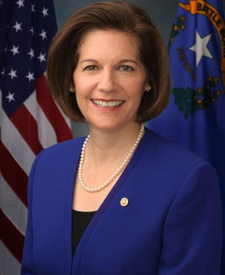

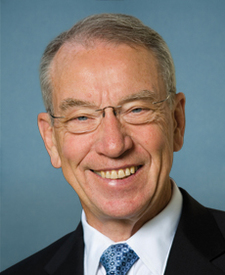
Legislative Progress
IntroducedMs. Cortez Masto (for herself, Mr. Grassley, and Ms. Klobuchar) …
Impact analysis is available but no clear stakeholder effects identified. View clause-level analysis →
Bill Structure & Actor Mappings
Who is "The Secretary" in each section?
- "federal_implementing_agencies"
- → Federal agencies assigned duties by the bill
We use a combination of our own taxonomy and classification in addition to large language models to assess meaning and potential beneficiaries. High confidence means strong textual evidence. Always verify with the original bill text.
Learn more about our methodology