To authorize the President to use military force for the purpose of securing and defending Taiwan against armed attack, and for other purposes.
Summary
What This Bill Does
The bill imposes findings; sense of Congress Congress finds the following: Taiwan is a free and prosperous democracy of nearly 24,000,000 people and is an important contributor to peace and stability around the world, provides authorization for use of United States Armed Forces The President is authorized to use the Armed Forces of the United States and take such other measures as the President determines to be necessary, and provides regional security dialogue to improve security relationships in the Western Pacific area. It relies on appropriations, compliance mandates, trade restrictions, and product standards. The main policy areas are Foreign Businesses, Foreign Policy, Criminal Justice, and Education.
Who Benefits and How
Foreign affairs agencies and foreign-policy stakeholders affected by the bill could face reduced risk, Public beneficiaries or protected communities affected by the clause could face reduced risk, and Regulated entities and members of the public affected by the bill could face reduced risk.
Who Bears the Burden and How
Federal, state, or local agencies responsible for implementing the clause would take on compliance duties, Lobbyists, political organizations, and disclosure users affected by the bill would take on compliance duties, and Foreign businesses and cross-border trade participants affected by the bill would take on compliance duties.
Key Provisions
- Imposes findings; sense of Congress Congress finds the following: Taiwan is a free and prosperous democracy of nearly 24,000,000 people and is an important contributor to peace and stability around the world.
- Provides authorization for use of United States Armed Forces The President is authorized to use the Armed Forces of the United States and take such other measures as the President determines to be necessary...
- Provides regional security dialogue to improve security relationships in the Western Pacific area.
- Creates united States-Taiwan bilateral trade agreement.
- Requires united States-Taiwan combined military exercises and related actions.
Evidence Chain:
This summary is generated from the full bill text using AI analysis. Expand "Detailed Analysis" below for identified beneficiaries/burden bearers with clause-level evidence links.
At a Glance
What This Bill Does
The bill imposes findings; sense of Congress Congress finds the following: Taiwan is a free and prosperous democracy of nearly 24,000,000 people and is an important contributor to peace and stability around the world, provides authorization for use of United States Armed Forces The President is authorized to use the Armed Forces of the United States and take such other measures as the President determines to be necessary, and provides regional security dialogue to improve security relationships in the Western Pacific area.
Key Policy Areas
Foreign Businesses, Foreign Policy, Criminal Justice, Education
Primary Purpose
The bill imposes findings; sense of Congress Congress finds the following: Taiwan is a free and prosperous democracy of nearly 24,000,000 people and is an important contributor to peace and stability around the world, provides authorization for use of United States Armed Forces The President is authorized to use the Armed Forces of the United States and take such other measures as the President determines to be necessary, and provides regional security dialogue to improve security relationships in the Western Pacific area.
Policy Domains
Whole bill
Identified Gains
- Foreign affairs agencies and foreign-policy stakeholders affected by the bill
- Public beneficiaries or protected communities affected by the clause
- Regulated entities and members of the public affected by the bill
- Transportation operators and users affected by the bill
- National security and critical infrastructure stakeholders affected by the bill
Identified Costs
- Federal, state, or local agencies responsible for implementing the clause
- Lobbyists, political organizations, and disclosure users affected by the bill
- Foreign businesses and cross-border trade participants affected by the bill
Sponsors
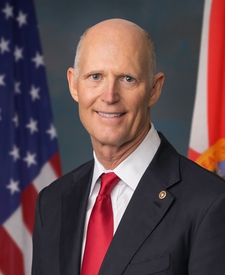
Legislative Progress
IntroducedMr. Scott of Florida introduced the following bill; which was …
Impact analysis is available but no clear stakeholder effects identified. View clause-level analysis →
Bill Structure & Actor Mappings
Who is "The Secretary" in each section?
We use a combination of our own taxonomy and classification in addition to large language models to assess meaning and potential beneficiaries. High confidence means strong textual evidence. Always verify with the original bill text.
Learn more about our methodology