To direct the Secretary of Agriculture and the Secretary of the Interior to carry out activities to provide for white oak restoration, and for other purposes.
Summary
What This Bill Does
The bill defines land-grant college or university to include 1862 Institutions, 1890 Institutions, and 1994 Institutions as referenced in existing agricultural education law, establishing eligibility criteria for participation, requires borrower ineligibility determination for fraud or misrepresentation, and requires automatic enrollment in income-driven repayment for delinquent borrowers. It relies on compliance mandates, definition changes, grants, and appropriations. The main policy areas are Agriculture, Education, and Trade.
Who Benefits and How
Borrowers in income-driven repayment could face lower compliance burdens, Public service workers could see lower costs, and Nonprofit employees could see lower costs.
Who Bears the Burden and How
USDA Forest Service would take on compliance duties, Federal student loan program could face higher costs, and Fraudulent loan applicants could face increased risk.
Key Provisions
- Defines land-grant college or university to include 1862 Institutions, 1890 Institutions, and 1994 Institutions as referenced in existing agricultural education law, establishing eligibility criteria for participation...
- Requires borrower ineligibility determination for fraud or misrepresentation.
- Requires automatic enrollment in income-driven repayment for delinquent borrowers.
- Requires automatic enrollment procedures for borrowers rehabilitating defaulted loans.
- Establishes a White Oak and Upland Oak Habitat Regeneration Program under the Secretary of Agriculture, requiring collaboration with the White Oak Restoration Initiative Coalition, adoption of a science-based...
Evidence Chain:
This summary is generated from the full bill text using AI analysis. Expand "Detailed Analysis" below for identified beneficiaries/burden bearers with clause-level evidence links.
At a Glance
What This Bill Does
The bill defines land-grant college or university to include 1862 Institutions, 1890 Institutions, and 1994 Institutions as referenced in existing agricultural education law, establishing eligibility criteria for participation, requires borrower ineligibility determination for fraud or misrepresentation, and requires automatic enrollment in income-driven repayment for delinquent borrowers.
Key Policy Areas
Agriculture, Education, Trade
Primary Purpose
The bill defines land-grant college or university to include 1862 Institutions, 1890 Institutions, and 1994 Institutions as referenced in existing agricultural education law, establishing eligibility criteria for participation, requires borrower ineligibility determination for fraud or misrepresentation, and requires automatic enrollment in income-driven repayment for delinquent borrowers.
Policy Domains
White Oak Resiliency Act of 2025
Identified Gains
- Borrowers in income-driven repayment
- Public service workers
- Nonprofit employees
- Delinquent student loan borrowers
- Timber and forestry companies involved in white oak management
Identified Costs
- USDA Forest Service
- Federal student loan program
- Fraudulent loan applicants
- IRS
Sponsors

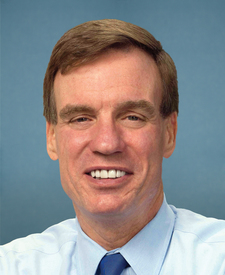
Legislative Progress
IntroducedMr. McConnell (for himself and Mr. Warner) introduced the following …
Stakeholder Effects
cui bono?How this legislation distributes effects. Mention counts reflect frequency, not effect magnitude.
Borrowers in income-driven repayment, Borrowers rehabilitating defaulted loans, Delinquent student loan borrowers
Positive-direction: Borrowers in income-driven repayment, Borrowers rehabilitating defaulted loans, Delinquent student loan borrowers
Negative-direction: Fraudulent loan applicants
Federal student loan program, IRS, Public service workers
Positive-direction: Public service workers
Negative-direction: Federal student loan program, IRS, USDA Forest Service
Historically Black land-grant universities (1890 Institutions), Land-grant colleges and universities (1862, 1890, 1994 Institutions), Tribal colleges (1994 Institutions)
Private landowners with white oak timber resources, Timber and forestry companies involved in white oak management
Cooperage and barrel manufacturing industry (bourbon, wine)
Bill Structure & Actor Mappings
Who is "The Secretary" in each section?
- "the_secretary_of_interior"
- → Secretary of the Interior
- "the_secretary_of_agriculture"
- → Secretary of Agriculture
Note: The Secretary refers to Secretary of Agriculture in most sections but means Secretary of the Interior in Section 5
Key Definitions
Terms defined in this bill
An 1862 Institution, 1890 Institution, or 1994 Institution as defined in relevant agricultural education statutes
Land under the administrative jurisdiction of the Secretary of the Interior, including National Wildlife Refuge System units and abandoned mine land
We use a combination of our own taxonomy and classification in addition to large language models to assess meaning and potential beneficiaries. High confidence means strong textual evidence. Always verify with the original bill text.
Learn more about our methodology