S4498-119

In Committee

ABLE Tomorrow Act

119th Congress Introduced May 12, 2026

Summary

What This Bill Does

The ABLE Tomorrow Act makes a broad set of changes intended to increase use of ABLE accounts by people with disabilities, especially people with low resources and people receiving Medicaid or Supplemental Security Income. It finds that people with disabilities face much higher poverty rates and that ABLE accounts let eligible people save for disability-related expenses without losing key benefits. The bill bars states from recovering correctly paid Medicaid assistance from a beneficiary's ABLE account after the beneficiary dies, regardless of whether the account is part of the estate. It creates an exception to ABLE contribution limits for one annual contribution from a third-party trust, life insurance proceeds, or a 529 qualified tuition program distribution that is not includible in gross income. It delays the suspension of benefits under the original ABLE Act until the first calendar month after a two-month period beginning with the date the individual receives notice from the Commissioner of Social Security.

The bill lets defined contribution retirement plans allow eligible ABLE employees to elect to have employer contributions sent to a qualified ABLE program instead of the plan. It treats those contributions as made by the designated beneficiary, lets employers contribute or match contributions to an employee's ABLE account, directs Treasury to amend tax regulations and employer publications, and requires model plan amendments. It also requires a long list of federal and state programs to provide ABLE account information and resources, including Social Security benefits, VA benefits and services, HUD disability housing and tenant assistance, AbilityOne nonprofit employment programs, Medicaid, CHIP, TANF, USDA and DOD nutrition assistance, vocational rehabilitation, Medicare disability benefits, Head Start, Early Head Start, IDEA special education, and early intervention services. Finally, it authorizes $50 million per year for fiscal years 2027 through 2031 for Treasury grants to states, tribal governments, and consortia to promote ABLE programs, encourage account opening, and collect data on accounts created through grant-funded activities.

Who Benefits and How

ABLE-eligible individuals benefit because the bill protects ABLE balances from state Medicaid estate recovery, allows certain large lump-sum transfers into ABLE accounts, gives working ABLE participants a way to redirect employer retirement contributions or matching contributions to ABLE accounts, and increases the number of benefit systems that must explain how to open and use ABLE accounts. People with disabilities who receive SSI, Social Security disability benefits, Medicaid, CHIP, TANF, nutrition assistance, VA benefits, HUD housing assistance, vocational rehabilitation, Medicare disability coverage, Head Start services, IDEA services, or AbilityOne nonprofit employment get more direct information about ABLE programs. Families of children with disabilities benefit from ABLE information through Head Start, Early Head Start, special education, and early intervention services. States, tribal governments, and their agencies benefit from new grant funding to run ABLE awareness campaigns. ABLE program administrators, the ABLE National Resource Center, the National Association of State Treasurers, and ABLE Today benefit from more outreach references and account uptake.

Who Bears the Burden and How

State Medicaid agencies bear a fiscal burden because they may no longer recover correctly paid Medicaid assistance from a beneficiary's ABLE account. The Commissioner of Social Security, the Secretary of Veterans Affairs, HUD, State Medicaid programs, CHIP programs, TANF agencies, USDA and DOD nutrition programs, State vocational rehabilitation units, Medicare disability benefit administrators, Head Start agencies, IDEA state education agencies, and qualified AbilityOne nonprofit agencies bear implementation burdens because they must provide ABLE information at enrollment, benefit receipt, redetermination, overpayment, or service entry points. Employers and retirement plan sponsors bear optional plan design and administration work if they choose to permit ABLE-directed employer contributions. Treasury bears administrative burdens to update tax regulations, employer publications, model amendments, grant applications, grant oversight, and data collection. Federal taxpayers bear the cost of the authorized $50 million per year grant program.

Key Provisions

  • Prohibits state Medicaid adjustment or recovery from a designated beneficiary's ABLE account for correctly paid medical assistance.
  • Expands ABLE contribution flexibility by exempting one annual third-party trust, life insurance, or qualified 529 distribution contribution from the normal contribution limit.
  • Delays benefit suspension until after the Social Security Commissioner gives notice and a two-month period has run.
  • Allows defined contribution plans to let eligible ABLE employees direct employer contributions to ABLE accounts, permits employer matching or direct ABLE contributions, and directs Treasury to issue regulations, publications, and model plan amendments.
  • Requires Social Security, VA, HUD, Medicaid, CHIP, TANF, nutrition assistance, vocational rehabilitation, Medicare disability, Head Start, Early Head Start, IDEA, and AbilityOne-related programs to provide ABLE account information and resources to covered people with disabilities.
  • Authorizes $50 million per year for fiscal years 2027 through 2031 for ABLE awareness grants to states, tribal governments, and consortia that promote ABLE programs and collect account-creation data.

Evidence Chain:

This summary is generated from the full bill text using AI analysis. Expand "Detailed Analysis" below for identified beneficiaries/burden bearers with clause-level evidence links.

At a Glance

What This Bill Does

The bill expands access to ABLE tax-advantaged savings accounts for people with disabilities by ending Medicaid recovery from ABLE accounts, loosening contribution rules, protecting benefit timing, allowing employer retirement-plan and matching contributions to ABLE accounts, requiring many federal and state programs to inform people about ABLE accounts, and authorizing ABLE awareness grants.

Key Policy Areas

Disability Policy, Tax, Public Benefits, Education

Primary Purpose

The bill expands access to ABLE tax-advantaged savings accounts for people with disabilities by ending Medicaid recovery from ABLE accounts, loosening contribution rules, protecting benefit timing, allowing employer retirement-plan and matching contributions to ABLE accounts, requiring many federal and state programs to inform people about ABLE accounts, and authorizing ABLE awareness grants.

Policy Domains

Disability Policy Tax Public Benefits Education

Agency and program duties to inform people about ABLE accounts

Identified Gains
  • People with disabilities receiving Social Security benefits
  • Veterans with disabilities
  • HUD-assisted people with disabilities
  • Medicaid enrollees with disabilities
  • Parents of children receiving IDEA services
  • Families enrolled in Head Start
Model: codex-gpt-5 | Version: bill_summary_v2 | Source: is
Families enrolled in Head Start:
Medicaid enrollees with disabilities:
HUD-assisted people with disabilities:
Parents of children receiving IDEA services:
People with disabilities receiving Social Security benefits:
Identified Costs
  • Commissioner of Social Security
  • Secretary of Veterans Affairs
  • Secretary of Housing and Urban Development
  • State Medicaid programs
  • State TANF agencies
  • State vocational rehabilitation units
  • Head Start agencies
  • IDEA state education agencies
Model: codex-gpt-5 | Version: bill_summary_v2 | Source: is
Head Start agencies:
State TANF agencies:
State Medicaid programs:
IDEA state education agencies:
Commissioner of Social Security:
State vocational rehabilitation units:
Secretary of Housing and Urban Development:

ABLE awareness grants

Identified Gains
  • States receiving ABLE awareness grants
  • Indian tribal governments receiving ABLE awareness grants
  • ABLE-eligible individuals reached by grant campaigns
Model: codex-gpt-5 | Version: bill_summary_v2 | Source: is
States receiving ABLE awareness grants:
ABLE-eligible individuals reached by grant campaigns:
Indian tribal governments receiving ABLE awareness grants:
Identified Costs
  • Secretary of the Treasury grant administrators
  • Federal taxpayers funding ABLE awareness grants
  • Grant recipients collecting ABLE account data
Model: codex-gpt-5 | Version: bill_summary_v2 | Source: is
Grant recipients collecting ABLE account data:
Secretary of the Treasury grant administrators:
Federal taxpayers funding ABLE awareness grants:

Findings and purposes for ABLE access

Identified Gains
  • People with disabilities eligible for ABLE accounts
  • ABLE-eligible Medicaid recipients
  • ABLE-eligible SSI recipients
Model: codex-gpt-5 | Version: bill_summary_v2 | Source: is
ABLE-eligible SSI recipients:
ABLE-eligible Medicaid recipients:
People with disabilities eligible for ABLE accounts: ,

Medicaid recovery, contribution limits, benefit suspension, and employer contributions

Identified Gains
  • ABLE account designated beneficiaries
  • Working ABLE account holders
  • Families using third-party trusts for disabled beneficiaries
  • ABLE account beneficiaries receiving life insurance proceeds
  • ABLE account beneficiaries rolling over 529 funds
Model: codex-gpt-5 | Version: bill_summary_v2 | Source: is
Working ABLE account holders:
ABLE account designated beneficiaries: ,
ABLE account beneficiaries rolling over 529 funds:
ABLE account beneficiaries receiving life insurance proceeds:
Families using third-party trusts for disabled beneficiaries:
Identified Costs
  • State Medicaid agencies
  • Secretary of the Treasury
  • Employers offering defined contribution retirement plans
  • Retirement plan administrators
Model: codex-gpt-5 | Version: bill_summary_v2 | Source: is
Secretary of the Treasury:
Retirement plan administrators:
Employers offering defined contribution retirement plans:

Legislative Progress

In Committee
Introduced Committee Passed
May 12, 2026

Read twice and referred to the Committee on Finance.

May 12, 2026

Introduced in Senate

May 12, 2026

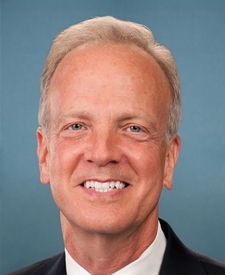
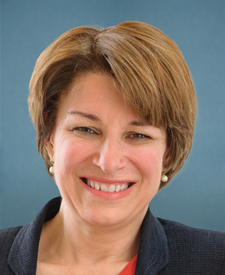
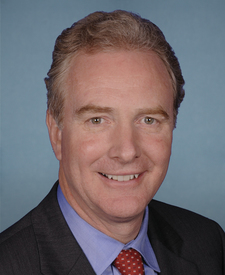
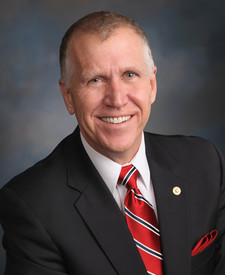
Mr. Moran (for himself, Mr. Van Hollen, Mr. Tillis, and …

Stakeholder Effects

cui bono?

How this legislation distributes effects. Mention counts reflect frequency, not effect magnitude.

Disability Services
7 mentions across 5 clauses
+7 positive

ABLE account holders with fewer resources, ABLE beneficiaries receiving life insurance proceeds, ABLE beneficiaries receiving third-party trust transfers

General Public
6 mentions across 2 clauses
+4 positive -2 negative

ABLE-eligible Medicaid recipients, ABLE-eligible SSI recipients, Medicaid enrollees with disabilities

Positive-direction: ABLE-eligible Medicaid recipients, ABLE-eligible SSI recipients, Medicaid enrollees with disabilities, People with disabilities receiving Social Security benefits

Negative-direction: State Medicaid programs, State TANF agencies

Federal Administration
5 mentions across 3 clauses
+1 positive -4 negative

Commissioner of Social Security, Secretary of Housing and Urban Development, Secretary of Veterans Affairs

Positive-direction: Secretary of the Treasury tax regulation staff

Negative-direction: Commissioner of Social Security, Secretary of Housing and Urban Development, Secretary of Veterans Affairs, Secretary of the Treasury grant administrators

Education
4 mentions across 1 clause
+2 positive -2 negative

Families enrolled in Head Start, Head Start agencies, IDEA state education agencies

Positive-direction: Families enrolled in Head Start, Parents of children receiving IDEA services

Negative-direction: Head Start agencies, IDEA state education agencies

Government
2 mentions across 1 clause
+1 positive -1 negative

Grant recipients collecting ABLE account data, Indian tribal governments receiving ABLE awareness grants

Positive-direction: Indian tribal governments receiving ABLE awareness grants

Negative-direction: Grant recipients collecting ABLE account data

Financial Services
2 mentions across 2 clauses
+2 positive

Qualified ABLE program administrators

Retirement Plans
2 mentions across 1 clause
+2 positive

Employers offering defined contribution retirement plans, Retirement plan administrators

State & Local Government
1 mention across 1 clause
+1 positive

States receiving ABLE awareness grants

6/10
sections analyzed
Full impact breakdown

Bill Structure & Actor Mappings

Who is "The Secretary" in each section?

Domains
Disability Policy
Actor Mappings
"ssi_recipients"
→ ABLE-eligible SSI recipients
"medicaid_recipients"
→ ABLE-eligible Medicaid recipients
"people_with_disabilities"
→ People with disabilities eligible for ABLE accounts
Domains
Tax Public Benefits Disability Policy
Actor Mappings
"irs"
→ Internal Revenue Service and Secretary of the Treasury
"employers"
→ Employers and defined contribution retirement plan sponsors
"state_medicaid"
→ State Medicaid agencies
"able_beneficiaries"
→ Eligible ABLE individuals and designated beneficiaries
Domains
Disability Policy Public Benefits Education
Actor Mappings
"va"
→ Secretary of Veterans Affairs
"hud"
→ Secretary of Housing and Urban Development
"ssa"
→ Commissioner of Social Security
"head_start"
→ Head Start and Early Head Start agencies
"state_programs"
→ State Medicaid, CHIP, TANF, nutrition assistance, vocational rehabilitation, and education programs
Domains
Disability Policy Government Operations
Actor Mappings
"states"
→ States and state agencies
"tribes"
→ Indian tribal governments
"treasury"
→ Secretary of the Treasury

Key Definitions

Terms defined in this bill

3 terms
"lump sum contribution exception" §H0227F004F7034FFF96F9F7A91AE20D2C

A once-per-taxable-year contribution to a qualified ABLE program from a third-party trust, life insurance proceeds, or a qualifying 529 distribution that is excluded from the normal ABLE contribution limit.

"eligible ABLE individual" §H46DE12FF90F949F3B89886A5568F3668

An employee who is an eligible individual under section 529A(e)(1) as of the first day of the plan year for purposes of employer defined contribution plan contributions to ABLE accounts.

"eligible entity for ABLE awareness grants" §id21aa8ea280534f5b993692971a72612f

A state, state agency or instrumentality, Indian tribal government or subdivision, or consortium of such entities applying for Treasury grants to promote ABLE programs and account opening.

We use a combination of our own taxonomy and classification in addition to large language models to assess meaning and potential beneficiaries. High confidence means strong textual evidence. Always verify with the original bill text.

Learn more about our methodology