To decriminalize and deschedule cannabis, to provide for reinvestment in certain persons adversely impacted by the War on Drugs, to provide for expungement of certain cannabis offenses, and for other purposes.
Analysis under review: This bill has generated analysis that may be too generic or incomplete. Clause-level evidence remains available below.
Summary
What This Bill Does
This bill, To decriminalize and deschedule cannabis, to provide for reinvestment in certain persons adversely impacted by the War on Drugs, to provide for expungement of certain cannabis offenses, and for other purposes., changes federal law or congressional policy affecting law enforcement, courts, victims, and regulated public-safety actors. The main policy domain is Criminal Justice, Government Operations, Healthcare.
Who Benefits and How
law enforcement, courts, victims, and regulated public-safety actors may benefit from new authority, funding, eligibility, regulatory clarity, or reduced risk created by the bill.
Who Bears the Burden and How
federal implementing agencies, law enforcement, courts, victims, and regulated public-safety actors may take on implementation duties, reporting obligations, compliance costs, or oversight responsibilities.
Key Provisions
- Section S1: 1. Short title; table of contents This Act may be cited as the Cannabis Administration and Opportunity Act. The table of contents for this Act is as follows:
- Section H0B5AB2160FDC4FB69F28B9B18801E9C7: 2. Findings The Congress finds as follows: The communities that have been most harmed by cannabis prohibition are benefitting the least from the legal...
- Section HFC5ECA84665A4391B464C69DBB4CDEB5: 3. Definitions In this Act: The terms cannabis and cannabis product have the same meanings given such terms in subsection (tt) of section 201 of the Federal...
- Section H94D08FC1497A4FA185088FD1F9B386E7: 101. Decriminalization of cannabis Schedule I of section 202 of the Controlled Substances Act (21 U.S.C. 812) is amended— in subsection (c)— by striking (10)...
- Section H59C69AEB64B24B9083A51D89DD26EC64: 102. Transferring agency functions with regard to cannabis The functions of the Attorney General, acting through the Administrator of the Drug Enforcement...
Evidence Chain:
This summary is generated from the full bill text using AI analysis. Expand "Detailed Analysis" below for identified beneficiaries/burden bearers with clause-level evidence links.
At a Glance
What This Bill Does
This bill, To decriminalize and deschedule cannabis, to provide for reinvestment in certain persons adversely impacted by the War on Drugs, to provide for expungement of certain cannabis offenses, and for other purposes., changes federal law or congressional policy affecting law enforcement, courts, victims, and regulated public-safety actors.
Key Policy Areas
Criminal Justice, Government Operations, Healthcare
Primary Purpose
This bill, To decriminalize and deschedule cannabis, to provide for reinvestment in certain persons adversely impacted by the War on Drugs, to provide for expungement of certain cannabis offenses, and for other purposes., changes federal law or congressional policy affecting law enforcement, courts, victims, and regulated public-safety actors.
Policy Domains
Whole bill
Identified Gains
- law enforcement, courts, victims, and regulated public-safety actors
Identified Costs
- federal implementing agencies
- law enforcement, courts, victims, and regulated public-safety actors
Sponsors
Legislative Progress
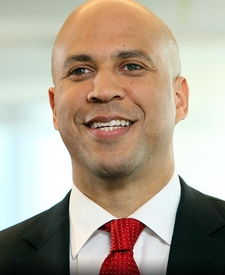
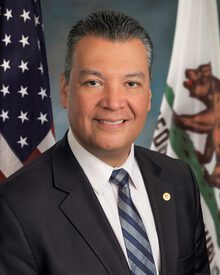
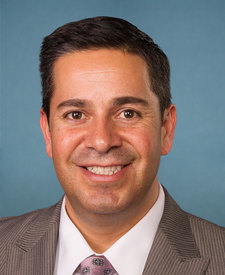
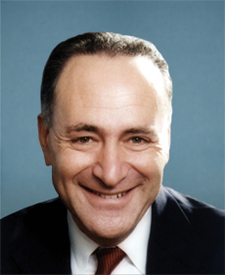
IntroducedMr. Booker (for himself, Mr. Schumer, Mr. Wyden, Mr. Fetterman, …
Impact analysis is available but no clear stakeholder effects identified. View clause-level analysis →
Bill Structure & Actor Mappings
Who is "The Secretary" in each section?
- "the_commission"
- → The commission identified in the operative section
- "the_administrator"
- → The Administrator identified in the operative section
- "secretary_of_treasury"
- → Secretary of the Treasury
- "secretary_of_transportation"
- → Secretary of Transportation
- "secretary_of_health_and_human_services"
- → Secretary of Health and Human Services
Key Definitions
Terms defined in this bill
a State or locality that has taken steps— to create an automatic process, at no cost to an individual, to expunge, destroy, or seal criminal records for cannabis offenses
the Secretary of the Treasury or the Secretary's delegate
a criminal offense related to cannabis— that, under Federal law, is no longer punishable pursuant to this Act or the amendments made under this Act
an individual or entity that is defined as an owner under the State, Tribal, or local law where the individual or entity is licensed or permitted to operate such business. The term State means— each of the several States
any drug that contains any article made or derived from cannabis. The term Native entity means— an Indian Tribe (as defined in section 3 of the Cannabis Administration and Opportunity Act)
the Secretary of the Treasury or the Secretary's delegate
any drug that contains any article made or derived from cannabis. The term Native entity means— an Indian Tribe (as defined in section 3 of the Cannabis Administration and Opportunity Act)
a law enforcement agency that— has not more than 50 sworn law enforcement officers
We use a combination of our own taxonomy and classification in addition to large language models to assess meaning and potential beneficiaries. High confidence means strong textual evidence. Always verify with the original bill text.
Learn more about our methodology