To require the Under Secretary of Commerce for Standards and Technology and the Administrator of National Oceanic and Atmospheric Administration to develop a standard methodology for identifying the country of origin of red snapper imported into the United States, and for other purposes.
Analysis under review: This bill has generated analysis that may be too generic or incomplete. Clause-level evidence remains available below.
Summary
What This Bill Does
This bill requires federal agencies to develop a portable field kit using chemical analysis to determine where imported red snapper actually comes from. It also allows the Department of Defense to help other countries fight illegal fishing by providing observers, data analysis, and intelligence support.
Who Benefits and How
- Domestic fishing industry: Benefits from reduced competition from illegally caught or mislabeled foreign red snapper, potentially increasing market prices for legally caught fish.
- Law enforcement agencies (Coast Guard, Customs and Border Protection, state agencies): Gain a new tool to detect seafood fraud and enforce fishing regulations more effectively.
- International maritime partners: Receive technical assistance and support from US military and Coast Guard to combat IUU fishing in their waters.
Who Bears the Burden and How
- Seafood importers: May face increased scrutiny and potential delays as origin verification methods are deployed.
- Foreign fishing operations (especially those engaged in IUU fishing): Face greater enforcement pressure and risk of detection.
- NIST and NOAA: Must dedicate resources to research, develop, and operationalize the new methodology within 2 years.
Key Provisions
- Mandates development of a chemical-analysis-based field kit to verify red snapper country of origin
- Requires a report to Congress within 2 years on the methodology and implementation plan
- Authorizes DoD to provide maritime technical assistance including observers, shipriders, and intelligence to partner nations combating IUU fishing
Evidence Chain:
This summary is generated from the full bill text using AI analysis. Expand "Detailed Analysis" below for identified beneficiaries/burden bearers.
At a Glance
What This Bill Does
Requires development of a chemical analysis methodology to identify the country of origin of imported red snapper, and authorizes DoD technical assistance for combating illegal, unreported, and unregulated (IUU) fishing.
Key Policy Areas
Trade, Fisheries, Law Enforcement, National Defense
Primary Purpose
Requires development of a chemical analysis methodology to identify the country of origin of imported red snapper, and authorizes DoD technical assistance for combating illegal, unreported, and unregulated (IUU) fishing.
Policy Domains
Section 2 - Red Snapper Origin Methodology
Identified Gains
Contextual inference, no direct clause citation- Domestic fishing industry
- Law enforcement agencies
- US Customs and Border Protection
Contextual inference, no direct clause citation
Identified Costs
Contextual inference, no direct clause citation- Seafood importers
- NIST
- NOAA
Contextual inference, no direct clause citation
Section 3 - IUU Fishing Technical Assistance
Identified Gains
Contextual inference, no direct clause citation- International maritime partners
- US Coast Guard
- Global fisheries sustainability
Contextual inference, no direct clause citation
Identified Costs
Contextual inference, no direct clause citation- Department of Defense
- Foreign IUU fishing operations
Contextual inference, no direct clause citation
Sponsors
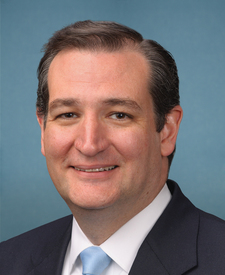

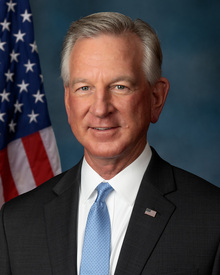
Legislative Progress
ReportedReported by Ms. Cantwell, with an amendment
Mr. Cruz (for himself, Mr. Tuberville, and Mrs. Britt) introduced …
Stakeholder Effects
cui bono?How this legislation distributes effects. Mention counts reflect frequency, not effect magnitude.
Coast Guard, Department of Defense, Foreign maritime enforcement agencies
Positive-direction: Coast Guard, Foreign maritime enforcement agencies, US Customs and Border Protection
Negative-direction: Department of Defense, National Institute of Standards and Technology, National Oceanic and Atmospheric Administration
Domestic commercial fishing operations (red snapper), Illegal fishing operations (foreign)
Positive-direction: Domestic commercial fishing operations (red snapper)
Negative-direction: Illegal fishing operations (foreign)
Bill Structure & Actor Mappings
Who is "The Secretary" in each section?
- "the_administrator"
- → Administrator of the National Oceanic and Atmospheric Administration
- "the_under_secretary"
- → Under Secretary of Commerce for Standards and Technology (Director of NIST)
- "the_secretary"
- → Secretary of Defense
Key Definitions
Terms defined in this bill
The Administrator of the National Oceanic and Atmospheric Administration
The Committee on Commerce, Science, and Transportation of the Senate; and the Committee on Transportation and Infrastructure and the Committee on Natural Resources of the House of Representatives
The Under Secretary of Commerce for Standards and Technology and the Director of the National Institute of Standards and Technology
We use a combination of our own taxonomy and classification in addition to large language models to assess meaning and potential beneficiaries. High confidence means strong textual evidence. Always verify with the original bill text.
Learn more about our methodology