To amend the Internal Revenue Code of 1986 to increase the credit for employers establishing workplace child care facilities, to increase the child care credit to encourage greater use of quality child care services, to provide incentives for students to earn child care-related degrees and to work in child care facilities, and to increase the exclusion for employer-provided dependent care assistance.
Analysis under review: This bill has generated analysis that may be too generic or incomplete. Clause-level evidence remains available below.
Summary
What This Bill Does
This bill, To amend the Internal Revenue Code of 1986 to increase the credit for employers establishing workplace child care facilities, to increase the child care credit to encourage greater use of quality child care services, to provide incentives for students to earn child care-related degrees and to work in child care facilities, and to increase the exclusion for employer-provided dependent care assistance., changes federal law or congressional policy affecting schools, students, and education providers. The main policy domain is Education, Finance, Immigration.
Who Benefits and How
schools, students, and education providers may benefit from new authority, funding, eligibility, regulatory clarity, or reduced risk created by the bill.
Who Bears the Burden and How
federal implementing agencies, schools, students, and education providers may take on implementation duties, reporting obligations, compliance costs, or oversight responsibilities.
Key Provisions
- Section H0327C56732F74582AEE3145C9ECAE69C: 1. Short title This Act may be cited as the Right Start Child Care and Education Act of 2024.
- Section HE7F55C9B47A74211A0F0E6927BE5A0D8: 2. Increase in employer-provided child care credit Paragraph (1) of section 45F(a) of the Internal Revenue Code of 1986 is amended by striking 25 percent and...
- Section H9413B0140B594741B02D5843BBF0C500: 3. 3-year credit for individuals holding child care-related degrees who work in licensed child care facilities Subpart C of part IV of subchapter A of chapter...
- Section H2B2868C386184D6995738C44955616FF: 36C. Right start child care and education credit In the case of an individual who is an eligible child care provider for the taxable year, there shall be...
- Section H50D9A3DDE56A4C64BB52AE7DD4C35942: 4. Increase in exclusion for employer-provided dependent care assistance Section 129(a)(2)(A) of the Internal Revenue Code of 1986 is amended by striking...
Evidence Chain:
This summary is generated from the full bill text using AI analysis. Expand "Detailed Analysis" below for identified beneficiaries/burden bearers with clause-level evidence links.
At a Glance
What This Bill Does
This bill, To amend the Internal Revenue Code of 1986 to increase the credit for employers establishing workplace child care facilities, to increase the child care credit to encourage greater use of quality child care services, to provide incentives for students to earn child care-related degrees and to work in child care facilities, and to increase the exclusion for employer-provided dependent care assistance., changes federal law or congressional policy affecting schools, students, and education providers.
Key Policy Areas
Education, Finance, Immigration
Primary Purpose
This bill, To amend the Internal Revenue Code of 1986 to increase the credit for employers establishing workplace child care facilities, to increase the child care credit to encourage greater use of quality child care services, to provide incentives for students to earn child care-related degrees and to work in child care facilities, and to increase the exclusion for employer-provided dependent care assistance., changes federal law or congressional policy affecting schools, students, and education providers.
Policy Domains
Whole bill
Identified Gains
- schools, students, and education providers
Identified Costs
- federal implementing agencies
- schools, students, and education providers
Sponsors
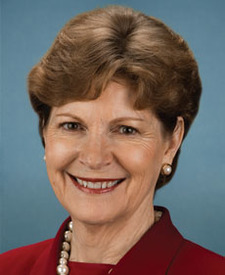

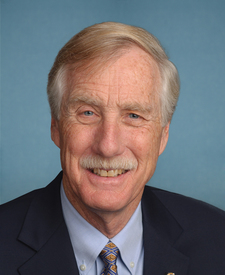
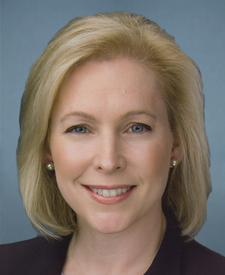
Legislative Progress
IntroducedMrs. Shaheen (for herself, Mr. King, Ms. Klobuchar, and Mrs. …
Impact analysis is available but no clear stakeholder effects identified. View clause-level analysis →
Bill Structure & Actor Mappings
Who is "The Secretary" in each section?
- "federal_implementing_agencies"
- → Federal agencies assigned duties by the bill
We use a combination of our own taxonomy and classification in addition to large language models to assess meaning and potential beneficiaries. High confidence means strong textual evidence. Always verify with the original bill text.
Learn more about our methodology