To amend title 5, United States Code, to provide increased locality pay rates to certain Bureau of Prisons employees whose duty stations are located in the pay locality designated as Rest of U.S., and for other purposes.
Analysis under review: This bill has generated analysis that may be too generic or incomplete. Clause-level evidence remains available below.
Summary
What This Bill Does
This bill, To amend title 5, United States Code, to provide increased locality pay rates to certain Bureau of Prisons employees whose duty stations are located in the pay locality designated as Rest of U.S., and for other purposes., changes federal law or congressional policy affecting workers, employers, and labor regulators. The main policy domain is Labor, Foreign Policy, Immigration.
Who Benefits and How
workers, employers, and labor regulators may benefit from new authority, funding, eligibility, regulatory clarity, or reduced risk created by the bill.
Who Bears the Burden and How
federal implementing agencies, workers, employers, and labor regulators may take on implementation duties, reporting obligations, compliance costs, or oversight responsibilities.
Key Provisions
- Section H38DBF7750EA14095846F30707EAD7784: 1. Short title This Act may be cited as the Pay Our Correctional Officers Fairly Act.
- Section H0E832D5E5CAF4D54B9F54FA8BA7ABA6A: 2. Providing nearest other locality pay rate for certain Bureau of Prisons employees receiving Rest of U.S. locality rate Section 5304 of title 5, United...
- Section id6eecec4007ad471b8b3143198e992800: 3. Providing higher wage area pay for certain Bureau of Prisons employees Section 5343 of title 5, United States Code, is amended by adding at the end the...
- Section H124EAAA968394BFF81C940691106FB1E: 4. Applicability The amendments made by this Act shall apply to any pay period beginning on or after the date that is 180 days after the date of enactment of...
Evidence Chain:
This summary is generated from the full bill text using AI analysis. Expand "Detailed Analysis" below for identified beneficiaries/burden bearers with clause-level evidence links.
At a Glance
What This Bill Does
This bill, To amend title 5, United States Code, to provide increased locality pay rates to certain Bureau of Prisons employees whose duty stations are located in the pay locality designated as Rest of U.S., and for other purposes., changes federal law or congressional policy affecting workers, employers, and labor regulators.
Key Policy Areas
Labor, Foreign Policy, Immigration
Primary Purpose
This bill, To amend title 5, United States Code, to provide increased locality pay rates to certain Bureau of Prisons employees whose duty stations are located in the pay locality designated as Rest of U.S., and for other purposes., changes federal law or congressional policy affecting workers, employers, and labor regulators.
Policy Domains
Whole bill
Identified Gains
- workers, employers, and labor regulators
Identified Costs
- federal implementing agencies
- workers, employers, and labor regulators
Sponsors
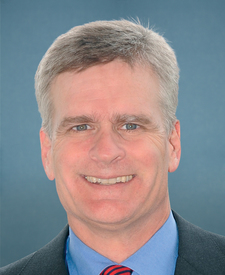
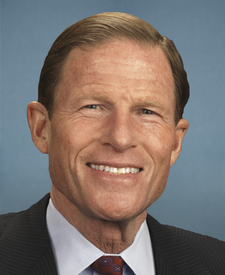
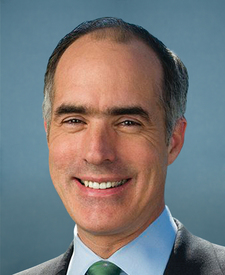
Legislative Progress
IntroducedMr. Cassidy (for himself, Mr. Blumenthal, and Mr. Casey) introduced …
Impact analysis is available but no clear stakeholder effects identified. View clause-level analysis →
Bill Structure & Actor Mappings
Who is "The Secretary" in each section?
- "federal_implementing_agencies"
- → Federal agencies assigned duties by the bill
Key Definitions
Terms defined in this bill
a wage area, a boundary of which is located within the boundaries of a nearest other pay locality established under section 5304(i)
We use a combination of our own taxonomy and classification in addition to large language models to assess meaning and potential beneficiaries. High confidence means strong textual evidence. Always verify with the original bill text.
Learn more about our methodology