To modify the disposition of certain outer Continental Shelf revenues and to open Federal financial sharing to heighten opportunities for renewable energy, and for other purposes.
Analysis under review: This bill has generated analysis that may be too generic or incomplete. Clause-level evidence remains available below.
Summary
What This Bill Does
This bill restructures how offshore energy revenues are distributed among the federal government, coastal states, and conservation programs. It funds the National Oceans and Coastal Security Fund from offshore wind lease revenues, modifies Gulf of Mexico Energy Security Act revenue sharing provisions, adds reporting requirements for Gulf producing states, and eliminates the administrative fee under the Mineral Leasing Act.
Who Benefits and How
Coastal states (especially Gulf producing states) benefit from increased revenue sharing from OCS activities. Offshore wind developers benefit from a clearer regulatory framework. Coastal communities, Indian tribes, and conservation organizations benefit from dedicated funding for ocean and coastal programs including resilience, habitat restoration, and sustainable seafood. States receiving mineral lease revenue benefit from elimination of the federal administrative fee.
Who Bears the Burden and How
The federal Treasury bears reduced revenue from increased state revenue sharing and elimination of the administrative fee. Gulf producing states bear new reporting requirements on their use of OCS funds, with withholding penalties for non-compliance. Entertainment-focused infrastructure projects are excluded from eligible uses.
Key Provisions
- Funds National Oceans and Coastal Security Fund from offshore wind OCS lease revenues
- Revenue allocation: tiered based on fund size (up to 65% for coastal resilience grants when over M)
- Gulf producing states must report annually on use of OCS revenues or face fund withholding
- Eliminates administrative fee under Mineral Leasing Act
- Restricts Gulf revenue use: cannot fund primarily entertainment infrastructure
- Eligible uses include ocean research, coastal resilience, habitat restoration, sustainable seafood
Evidence Chain:
This summary is generated from the full bill text using AI analysis. Expand "Detailed Analysis" below for identified beneficiaries/burden bearers.
At a Glance
What This Bill Does
Modifies the disposition of outer Continental Shelf (OCS) revenues to increase revenue sharing with coastal states, funds the National Oceans and Coastal Security Fund from offshore wind revenue, eliminates the Mineral Leasing Act administrative fee, and adds reporting requirements for Gulf producing states.
Key Policy Areas
Energy, Environment, Government Operations, Natural Resources
Primary Purpose
Modifies the disposition of outer Continental Shelf (OCS) revenues to increase revenue sharing with coastal states, funds the National Oceans and Coastal Security Fund from offshore wind revenue, eliminates the Mineral Leasing Act administrative fee, and adds reporting requirements for Gulf producing states.
Policy Domains
RISEE Act of 2023
Identified Gains
Contextual inference, no direct clause citation- Gulf producing states (TX, LA, MS, AL)
- Coastal communities and Indian tribes
- Offshore wind industry
- Ocean conservation organizations
- Mineral lease revenue states
Contextual inference, no direct clause citation
Identified Costs
Contextual inference, no direct clause citation- Federal Treasury (reduced revenue)
- Gulf producing states (reporting burden)
- Entertainment infrastructure projects (excluded)
Contextual inference, no direct clause citation
Sponsors
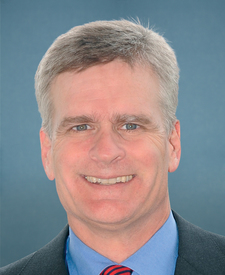
Legislative Progress
ReportedReported by Mr. Manchin, without amendment
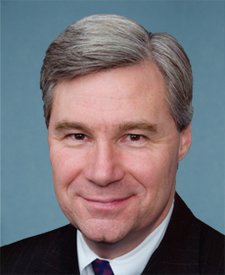
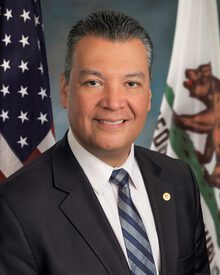
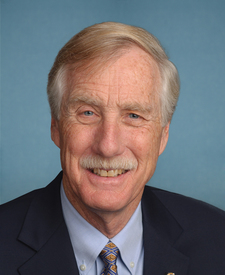
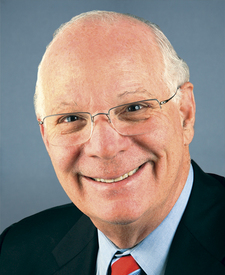
Mr. Whitehouse (for himself, Mr. Cassidy, Mr. Kennedy, Mr. King, …
Mr. Whitehouse (for himself, Mr. Cassidy, Mr. Kennedy, Mr. King, …
Stakeholder Effects
cui bono?How this legislation distributes effects. Mention counts reflect frequency, not effect magnitude.
Coastal conservation and resilience programs, Coastal states and territories, Federal Treasury
Positive-direction: Coastal conservation and resilience programs, Coastal states and territories
Negative-direction: Federal Treasury, Gulf producing states (TX, LA, MS, AL)
Coastal conservation organizations, Environmental litigation groups, Marine monument advocates
Positive-direction: Coastal conservation organizations
Negative-direction: Environmental litigation groups, Marine monument advocates
Entertainment infrastructure projects in Gulf states
Bill Structure & Actor Mappings
Who is "The Secretary" in each section?
- "the_secretary"
- → Secretary of the Interior
- "the_foundation"
- → National Fish and Wildlife Foundation
- "the_administrator"
- → Administrator of NOAA
Key Definitions
Terms defined in this bill
As defined in section 4 of the Indian Self-Determination and Education Assistance Act (25 U.S.C. 5304).
Length of tidal shoreline or Great Lake shoreline based on the most recent data from or accepted by the Office of Coast Survey of NOAA.
We use a combination of our own taxonomy and classification in addition to large language models to assess meaning and potential beneficiaries. High confidence means strong textual evidence. Always verify with the original bill text.
Learn more about our methodology