To enable an employer or employees to establish an employee involvement organization to represent the interests of employees, and for other purposes.
Analysis under review: This bill has generated analysis that may be too generic or incomplete. Clause-level evidence remains available below.
Summary
What This Bill Does
This bill, To enable an employer or employees to establish an employee involvement organization to represent the interests of employees, and for other purposes., changes federal law or congressional policy affecting workers, employers, and labor regulators. The main policy domain is Labor, Education, Healthcare.
Who Benefits and How
workers, employers, and labor regulators may benefit from new authority, funding, eligibility, regulatory clarity, or reduced risk created by the bill.
Who Bears the Burden and How
federal implementing agencies, workers, employers, and labor regulators may take on implementation duties, reporting obligations, compliance costs, or oversight responsibilities.
Key Provisions
- Section S1: 1. Short title This Act may be cited as the Teamwork for Employees and Managers Act of 2024.
- Section idEE665FF151124D7AAFADEE35B76E9DDD: 2. Employer exception Section 8 of the National Labor Relations Act (29 U.S.C. 158) is amended by adding at the end the following: (h)It shall not constitute...
- Section idDBD65637791B498EACCC2F48DEDB8D0E: 3. Definitions In this Act: The term employee has the meaning given such term in section 2 of the National Labor Relations Act (29 U.S.C. 152). The term...
- Section id600a370229c345d2a039275c20c8aeec: 4. Requirements for employee involvement organizations at large employers This section shall apply to each employee involvement organization for a large...
- Section id4b6c4064fdc94a33a0bc64d3a0271d8f: 5. Safe harbor for violation of rules due to the fault of an employee Section 8 of the National Labor Relations Act (29 U.S.C. 158), as amended by section 2,...
Evidence Chain:
This summary is generated from the full bill text using AI analysis. Expand "Detailed Analysis" below for identified beneficiaries/burden bearers with clause-level evidence links.
At a Glance
What This Bill Does
This bill, To enable an employer or employees to establish an employee involvement organization to represent the interests of employees, and for other purposes., changes federal law or congressional policy affecting workers, employers, and labor regulators.
Key Policy Areas
Labor, Education, Healthcare
Primary Purpose
This bill, To enable an employer or employees to establish an employee involvement organization to represent the interests of employees, and for other purposes., changes federal law or congressional policy affecting workers, employers, and labor regulators.
Policy Domains
Whole bill
Identified Gains
- workers, employers, and labor regulators
Identified Costs
- federal implementing agencies
- workers, employers, and labor regulators
Sponsors
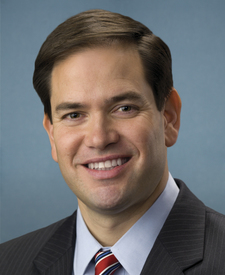
Marco Rubio
R-FL | Primary Sponsor

Legislative Progress
IntroducedMr. Rubio (for himself and Mr. Vance) introduced the following …
Impact analysis is available but no clear stakeholder effects identified. View clause-level analysis →
Bill Structure & Actor Mappings
Who is "The Secretary" in each section?
- "federal_implementing_agencies"
- → Federal agencies assigned duties by the bill
Key Definitions
Terms defined in this bill
a reasonable business purpose for dissolution, as determined by— the independent business judgment of the board of directors of the business of the large employer
an employer that— had more than $1,000,000,000 in annual gross revenues for the most recently completed fiscal year prior to the date of certification under section 4(b)(1)
We use a combination of our own taxonomy and classification in addition to large language models to assess meaning and potential beneficiaries. High confidence means strong textual evidence. Always verify with the original bill text.
Learn more about our methodology