Ending Chinese Lawfare Act
Analysis under review: This bill has generated analysis that may be too generic or incomplete. Clause-level evidence remains available below.
Summary
What This Bill Does
This bill bars all U.S. courts (federal and state) from recognizing or enforcing any judgment, order, or decree from a Chinese court if the proceeding was initiated or supported by the Chinese Communist Party and was substantially motivated by retaliation for protected political speech, lawful governmental authority, or constitutional rights. Courts determine this using a totality-of-circumstances test. The bill also creates federal jurisdiction for enforcement disputes, mandatory fee-shifting against parties who try to enforce barred judgments, Attorney General intervention rights, and a new cause of action allowing targets of Chinese lawfare to seek declaratory and injunctive relief in U.S. courts.
Who Benefits and How
U.S. officials, citizens, and businesses targeted by politically-motivated Chinese court proceedings gain strong legal protections. Those who criticize China or take official actions contrary to Chinese interests are shielded from having retaliatory foreign judgments enforced against them in the U.S. Prevailing parties opposing enforcement recover their attorneys' fees and costs. Targets can proactively seek U.S. court declarations that Chinese judgments are unenforceable, with broadly defined standing that includes chilling effects on speech.
Who Bears the Burden and How
Chinese government entities and affiliated parties lose the ability to enforce politically-motivated judgments in U.S. courts and face fee-shifting if they try. Parties with potentially legitimate commercial disputes resolved in Chinese courts may face heightened scrutiny or presumptions against enforcement. Federal courts assume new jurisdiction and a new cause of action that may increase litigation volume.
Key Provisions
- Bars recognition of Chinese court judgments found to be CCP-directed and retaliatory
- Establishes a multi-factor totality-of-circumstances test for courts to assess political motivation
- Mandatory fee-shifting (including expert fees) against parties seeking to enforce barred judgments
- Federal original jurisdiction and removal from state courts for enforcement actions
- Attorney General may intervene as of right with statements given "substantial weight"
- Creates affirmative cause of action for targets to seek declaratory and injunctive relief
- Broad standing provision deeming injury from legal expenses, reputational harm, or chilling effects
- First Amendment protection clause: no barred judgment may be enforced if it would chill protected speech
Evidence Chain:
This summary is generated from the full bill text using AI analysis. Expand "Detailed Analysis" below for identified beneficiaries/burden bearers.
At a Glance
What This Bill Does
Prohibits U.S. courts from recognizing or enforcing politically-motivated judgments from Chinese courts, provides fee-shifting and federal jurisdiction for enforcement disputes, and enables declaratory and injunctive relief for targets of Chinese lawfare
Key Policy Areas
Foreign Policy, Judiciary, Civil Liberties, National Security
Primary Purpose
Prohibits U.S. courts from recognizing or enforcing politically-motivated judgments from Chinese courts, provides fee-shifting and federal jurisdiction for enforcement disputes, and enables declaratory and injunctive relief for targets of Chinese lawfare
Policy Domains
Declaratory and Injunctive Relief for Targets
Identified Gains
Contextual inference, no direct clause citation- Targets of Chinese lawfare proceedings who can seek preemptive U.S. court protection
- U.S. entities facing chilling effects on protected speech
Contextual inference, no direct clause citation
Identified Costs
Contextual inference, no direct clause citation- Federal courts (new cause of action creating additional litigation)
- Chinese entities subject to U.S. injunctions
Contextual inference, no direct clause citation
Fee-Shifting, Jurisdiction, and DOJ Intervention
Identified Gains
Contextual inference, no direct clause citation- Defendants opposing enforcement of Chinese judgments in U.S. courts
- Department of Justice (expanded intervention authority)
Contextual inference, no direct clause citation
Identified Costs
Contextual inference, no direct clause citation- Parties seeking enforcement of barred Chinese judgments (face fee-shifting)
- Federal courts (new jurisdiction and expanded dockets)
Contextual inference, no direct clause citation
Prohibition on Recognition of CCP-Motivated Judgments
Identified Gains
Contextual inference, no direct clause citation- U.S. officials and citizens targeted by Chinese court proceedings
- U.S. businesses facing retaliatory Chinese lawsuits
- Foreign policy critics of China protected by First Amendment
Contextual inference, no direct clause citation
Identified Costs
Contextual inference, no direct clause citation- Chinese government entities seeking to enforce Chinese court judgments in the U.S.
- Parties with legitimate commercial disputes adjudicated in Chinese courts
Contextual inference, no direct clause citation
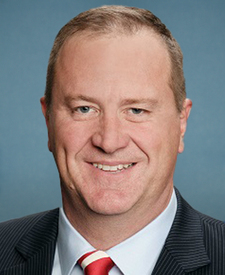
Sponsors
Legislative Progress
In CommitteeMr. Schmitt introduced the following bill; which was read twice …
Read twice and referred to the Committee on the Judiciary.
Introduced in Senate
Impact analysis is available but no clear stakeholder effects identified. View clause-level analysis →
Bill Structure & Actor Mappings
Who is "The Secretary" in each section?
- "attorney_general"
- → Attorney General of the United States
We use a combination of our own taxonomy and classification in addition to large language models to assess meaning and potential beneficiaries. High confidence means strong textual evidence. Always verify with the original bill text.
Learn more about our methodology