Part-Time Worker Bill of Rights Act
Analysis under review: This bill has generated analysis that may be too generic or incomplete. Clause-level evidence remains available below.
Summary
What This Bill Does
The Part-Time Worker Bill of Rights Act makes two major changes to federal labor law. First, it dramatically lowers the threshold for Family and Medical Leave Act (FMLA) eligibility by replacing the current requirement of 12 months of employment and 1,250 hours of work with a simple 90-day employment requirement. Second, it creates a new federal prohibition on workplace discrimination based on the number of hours an employee is scheduled to work, requiring equal treatment in pay rates, benefits eligibility, promotion opportunities, and other terms of employment.
Who Benefits and How
Part-time, temporary, and short-duration workers benefit most, gaining access to FMLA leave they were previously ineligible for and legal protection against discrimination based on their work schedules. Workers who need family or medical leave but have not accumulated 1,250 hours of service gain new eligibility. Employees who desire more hours benefit from a requirement that employers offer additional hours to existing employees before hiring new workers.
Who Bears the Burden and How
Employers with more than 15 employees bear the compliance burden, including expanded FMLA leave obligations, new anti-discrimination requirements, mandatory recordkeeping, and the requirement to offer hours to existing workers before hiring new ones. Employers face civil penalties of up to ,000 per violation for retaliating against employees who exercise their rights. Staffing agencies and franchisors may also be affected, as the bill uses an integrated enterprise standard that aggregates employees across affiliated entities.
Key Provisions
- Replaces the FMLA 12-month/1,250-hour eligibility requirement with a 90-day employment requirement
- Prohibits discrimination in pay, benefits, promotions, and other terms of employment based on hours scheduled per week
- Requires employers to offer additional hours to existing part-time employees before hiring new workers externally
- Creates enforcement mechanisms including Department of Labor investigations, private right of action, and civil penalties up to ,000 per violation
- Applies to employers with more than 15 employees, including integrated enterprises and franchise networks
Evidence Chain:
This summary is generated from the full bill text using AI analysis. Expand "Detailed Analysis" below for identified beneficiaries/burden bearers.
At a Glance
What This Bill Does
Expands workplace protections for part-time workers by eliminating the hours-of-service requirement for FMLA leave eligibility (replacing the 12-month/1,250-hour threshold with a 90-day employment requirement) and prohibiting employer discrimination against employees based on the number of hours they are scheduled to work.
Key Policy Areas
Labor and Employment, Worker Protections, Family Leave Policy
Primary Purpose
Expands workplace protections for part-time workers by eliminating the hours-of-service requirement for FMLA leave eligibility (replacing the 12-month/1,250-hour threshold with a 90-day employment requirement) and prohibiting employer discrimination against employees based on the number of hours they are scheduled to work.
Policy Domains
Title I - FMLA Amendments
Identified Gains
Contextual inference, no direct clause citation- Part-time workers
- Short-tenure employees
- Workers needing family or medical leave
Contextual inference, no direct clause citation
Identified Costs
Contextual inference, no direct clause citation- Employers (expanded FMLA obligations)
Contextual inference, no direct clause citation
Title II - Part-Time Worker Protections
Identified Gains
Contextual inference, no direct clause citation- Part-time and temporary workers
- Employees seeking additional hours
Contextual inference, no direct clause citation
Identified Costs
Contextual inference, no direct clause citation- Employers with more than 15 employees
- Staffing agencies and franchisors
- Federal government (enforcement costs)
Contextual inference, no direct clause citation
Sponsors
Legislative Progress
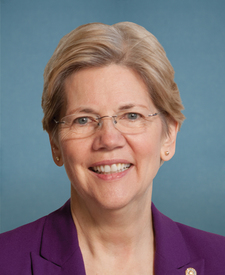
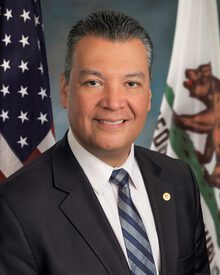
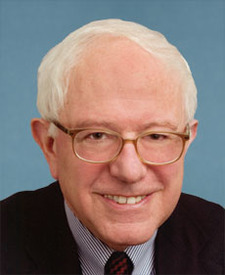
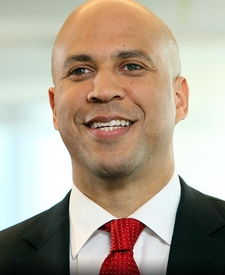
In CommitteeMs. Warren (for herself, Mr. Booker, Mr. Markey, Mr. Padilla, …
Read twice and referred to the Committee on Health, Education, …
Introduced in Senate
Impact analysis is available but no clear stakeholder effects identified. View clause-level analysis →
Bill Structure & Actor Mappings
Who is "The Secretary" in each section?
- "Secretary"
- → Secretary of Labor
- "Secretary"
- → Secretary of Labor
Note: {'note': 'Refers to the Secretary of Labor throughout, but Title II also delegates regulatory authority to the Board of Directors of the Office of Congressional Workplace Rights, the President, the Office of Personnel Management, and the Comptroller General for their respective employee categories.', 'term': 'Secretary'}
Key Definitions
Terms defined in this bill
We use a combination of our own taxonomy and classification in addition to large language models to assess meaning and potential beneficiaries. High confidence means strong textual evidence. Always verify with the original bill text.
Learn more about our methodology