PEERS Act of 2025
Analysis under review: This bill has generated analysis that may be too generic or incomplete. Clause-level evidence remains available below.
Summary
What This Bill Does
This bill, the PEERS Act of 2025 (Promoting Effective and Empowering Recovery Services in Medicare Act), adds peer support services as a covered benefit under Medicare Part B. It amends the Social Security Act to allow certified peer support specialists -- individuals who are themselves recovering from mental health or substance use conditions -- to provide emotional, informational, and social support services to Medicare beneficiaries diagnosed with mental health conditions or substance use disorders. These services must be furnished through established healthcare facilities: federally qualified health centers, rural health clinics, community mental health centers, or certified community behavioral health clinics.
Who Benefits and How
Medicare beneficiaries with mental health conditions or substance use disorders gain access to a new recovery support service that provides peer-based emotional and practical assistance. Certified peer support specialists benefit from a new Medicare reimbursement pathway, creating a formalized career for individuals whose lived experience in recovery is their primary qualification. Community mental health centers, FQHCs, and rural health clinics can offer and bill for an additional service. The bill particularly benefits rural areas where mental health professionals are scarce, as peer support specialists offer a lower-barrier workforce solution.
Who Bears the Burden and How
The Medicare trust fund bears the cost of covering a new benefit category. CMS must implement the new benefit, including establishing reimbursement rates and coverage criteria. States bear responsibility for certifying peer support specialists under frameworks consistent with SAMHSA standards, though many states already have certification programs. The requirement that specialists must themselves be in recovery limits the eligible workforce to individuals with personal experience.
Key Provisions
- Adds peer support services as a Medicare Part B covered benefit
- Defines peer support specialists as individuals in recovery certified under state or Secretary-approved frameworks
- Limits covered settings to FQHCs, rural health clinics, community mental health centers, and certified community behavioral health clinics
- Requires certification consistent with National Practice Guidelines for Peer Supporters and SAMHSA Core Competencies
- Services must target individuals diagnosed with a mental health condition or substance use disorder
Evidence Chain:
This summary is generated from the full bill text using AI analysis. Expand "Detailed Analysis" below for identified beneficiaries/burden bearers.
At a Glance
What This Bill Does
Adds peer support services as a covered benefit under Medicare, allowing certified peer support specialists to provide recovery services to individuals with mental health conditions or substance use disorders at federally qualified health centers, rural health clinics, community mental health centers, and certified community behavioral health clinics
Key Policy Areas
Healthcare, Mental Health, Medicare, Substance Abuse
Primary Purpose
Adds peer support services as a covered benefit under Medicare, allowing certified peer support specialists to provide recovery services to individuals with mental health conditions or substance use disorders at federally qualified health centers, rural health clinics, community mental health centers, and certified community behavioral health clinics
Policy Domains
Promoting Effective and Empowering Recovery Services in Medicare Act of 2025 (PEERS Act)
Identified Gains
Contextual inference, no direct clause citation- Medicare beneficiaries with mental health conditions or substance use disorders
- Certified peer support specialists (new Medicare reimbursement pathway)
- Community mental health centers and FQHCs (expanded billable services)
- Rural health clinics (new service offering)
- Individuals in recovery who can now serve as peer support specialists
Contextual inference, no direct clause citation
Identified Costs
Contextual inference, no direct clause citation- Medicare trust fund (new covered benefit cost)
- CMS (implementation of new benefit category)
- States (certification of peer support specialists)
Contextual inference, no direct clause citation
Sponsors
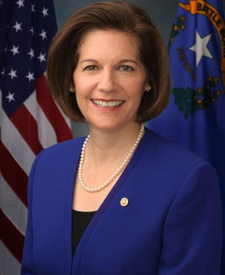

Legislative Progress
In CommitteeMs. Cortez Masto (for herself and Mr. Cassidy) introduced the …
Read twice and referred to the Committee on Finance.
Introduced in Senate
Impact analysis is available but no clear stakeholder effects identified. View clause-level analysis →
Bill Structure & Actor Mappings
Who is "The Secretary" in each section?
- "the_secretary"
- → Secretary of Health and Human Services
Key Definitions
Terms defined in this bill
Emotional, informational, instrumental, and social and community support services furnished by a peer support specialist to an individual diagnosed with a mental health condition or substance use disorder, designed to assist in achieving recovery, community integration, self-empowerment, and self-determination
An individual who is recovering from a mental health or substance use condition and is certified as qualified to furnish peer support services under a state certification process consistent with the National Practice Guidelines for Peer Supporters and SAMHSA Core Competencies for Peer Workers
We use a combination of our own taxonomy and classification in addition to large language models to assess meaning and potential beneficiaries. High confidence means strong textual evidence. Always verify with the original bill text.
Learn more about our methodology