Global Climate Resilience Act of 2025
Analysis under review: This bill has generated analysis that may be too generic or incomplete. Clause-level evidence remains available below.
Summary
What This Bill Does
This bill creates a climate-focused debt reduction framework for vulnerable countries, directs U.S. representatives at international financial institutions to support debt relief and restructuring, and pushes for a World Bank-backed international climate insurance program.
Who Benefits and How
Climate-vulnerable lower-income countries and small island developing states would benefit from potential debt relief, debt restructuring, and new financial support tied to resilience and disaster recovery.
Who Bears the Burden and How
U.S. and multilateral financial policymakers would take on new advocacy, implementation, and notification duties, while creditors and international financial institutions would face pressure to support more debt relief and climate-risk financing.
Key Provisions
- Creates a new Foreign Assistance Act framework for debt reduction tied to climate resilience.
- Directs U.S. executive directors at international financial institutions to support debt relief and restructuring for eligible countries.
- Calls on U.S. representatives to advocate for an international climate insurance program at the World Bank.
Evidence Chain:
This summary is generated from the full bill text using AI analysis. Expand "Detailed Analysis" below for identified beneficiaries/burden bearers.
At a Glance
What This Bill Does
Promote debt reduction, debt restructuring, and climate-risk financial support for climate-vulnerable countries through U.S. foreign assistance policy and advocacy at international financial institutions and the World Bank.
Key Policy Areas
Foreign Affairs, Climate, International Finance
Primary Purpose
Promote debt reduction, debt restructuring, and climate-risk financial support for climate-vulnerable countries through U.S. foreign assistance policy and advocacy at international financial institutions and the World Bank.
Policy Domains
Climate Debt Reduction
Identified Gains
Contextual inference, no direct clause citation- Climate-vulnerable foreign governments
Contextual inference, no direct clause citation
Identified Costs
Contextual inference, no direct clause citation- U.S. foreign assistance and financial policymakers
Contextual inference, no direct clause citation
IFI and World Bank Advocacy
Identified Gains
Contextual inference, no direct clause citation- Climate-vulnerable foreign governments
Contextual inference, no direct clause citation
Identified Costs
Contextual inference, no direct clause citation- U.S. representatives at international financial institutions
- Multilateral lenders and creditors
Contextual inference, no direct clause citation
Sponsors
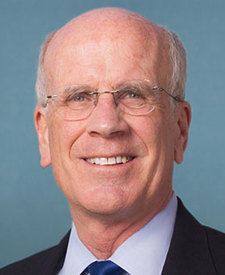
Peter Welch
D-VT | Primary Sponsor

Legislative Progress
In CommitteeMr. Welch (for himself and Mr. Kim) introduced the following …
Read twice and referred to the Committee on Foreign Relations.
Introduced in Senate
Stakeholder Effects
cui bono?How this legislation distributes effects. Mention counts reflect frequency, not effect magnitude.
Bill Structure & Actor Mappings
Who is "The Secretary" in each section?
- "the_president"
- → President of the United States
- "us_executive_directors"
- → United States Executive Directors and representatives at international financial institutions and the World Bank
Key Definitions
Terms defined in this bill
A low-, lower-middle-, or upper-middle-income country, or small island developing state, that satisfies democracy, human rights, and climate-resilience planning conditions.
We use a combination of our own taxonomy and classification in addition to large language models to assess meaning and potential beneficiaries. High confidence means strong textual evidence. Always verify with the original bill text.
Learn more about our methodology