To amend titles XVIII and XIX of the Social Security Act to expand the mental health care workforce and services, reduce prescription drug costs, and extend certain expiring provisions under Medicare and Medicaid, and for other purposes.
Analysis under review: This bill has generated analysis that may be too generic or incomplete. Clause-level evidence remains available below.
Summary
What This Bill Does
Creates new Medicare 10% bonus payment for mental health and substance use services in mental health professional shortage areas. Part of broader package including drug pricing and program extensions.
Who Benefits and How
- Mental health providers in shortage areas receive 10% Medicare bonus
- Patients in underserved areas gain improved access to mental health care
- Medicare beneficiaries benefit from incentivized provider participation
Who Bears the Burden and How
- Medicare Trust Fund pays increased reimbursements
- Federal budget funds the bonus payments
- CMS administers expanded bonus program
Key Provisions
- 10% bonus for specified mental health services in shortage areas
- Applies to physicians and applicable practitioners
- Separate from existing HPSA physician bonus
- Covers services furnished to Medicare beneficiaries
Evidence Chain:
This summary is generated from the full bill text using AI analysis. Expand "Detailed Analysis" below for identified beneficiaries/burden bearers.
At a Glance
What This Bill Does
Expands Medicare bonus payments for mental health providers in shortage areas and extends various health program authorities
Who Benefits
- Mental health providers
- Patients in shortage areas
- Medicare beneficiaries
Who Bears Costs
- Medicare Trust Fund
- Federal budget
- CMS
Key Policy Areas
Healthcare, Mental Health, Medicare
Primary Purpose
Expands Medicare bonus payments for mental health providers in shortage areas and extends various health program authorities
Policy Domains
Legislative Strategy
"Improve mental health access through Medicare reimbursement incentives"
Sponsors
Legislative Progress
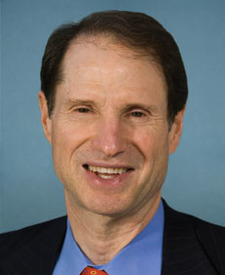
ReportedMr. Wyden, from the Committee on Finance, reported the following …
Stakeholder Effects
cui bono?How this legislation distributes effects. Mention counts reflect frequency, not effect magnitude.
Behavioral health providers, Certified Community Behavioral Health Clinics, Clinical social workers
Positive-direction: Behavioral health providers, Certified Community Behavioral Health Clinics, Clinical social workers, Durable medical equipment suppliers, Independent pharmacies, Mental health and SUD practitioners in shortage areas, Primary care providers integrating behavioral health, Psychiatric facilities and IMDs, Quality measure development organizations, SUD treatment providers, Telehealth providers
Negative-direction: Mental health telehealth providers
CMS, HHS, Medicaid Improvement Fund
Positive-direction: Medicare Improvement Fund
Negative-direction: CMS, HHS, Medicaid Improvement Fund, Medicare program
Children and youth with mental health needs, Incarcerated individuals with SUD, Low-income Medicare beneficiaries
Medicare Advantage organizations, Part D plan sponsors, Pharmacy benefit managers
State Medicaid agencies, State Medicaid programs, States with IMD exclusion waivers
Area Agencies on Aging, State Health Insurance Programs
Bill Structure & Actor Mappings
Who is "The Secretary" in each section?
- "the_secretary"
- → Secretary of HHS
Key Definitions
Terms defined in this bill
Mental health and substance use disorder services
Defined in paragraph 6 of the section
We use a combination of our own taxonomy and classification in addition to large language models to assess meaning and potential beneficiaries. High confidence means strong textual evidence. Always verify with the original bill text.
Learn more about our methodology