Commitment to Aid Workers Act
Analysis under review: This bill has generated analysis that may be too generic or incomplete. Clause-level evidence remains available below.
Summary
What This Bill Does
This bill creates a State Department Special Envoy and inquiry process to investigate attacks on humanitarian aid workers and conditions U.S. security assistance on foreign governments not unlawfully killing or fatally injuring those workers.
Who Benefits and How
Humanitarian aid workers and nongovernmental relief organizations could benefit from stronger U.S. diplomatic advocacy, formal incident investigations, and leverage over foreign governments that harm aid workers.
Who Bears the Burden and How
State Department and interagency officials would face new reporting and investigative duties, while foreign governments that attack aid workers could lose access to U.S. security assistance and defense support.
Key Provisions
- Creates a Special Envoy for Humanitarian Aid Workers with ambassador rank and recurring reporting duties.
- Requires an interagency inquiry group and incident reports to Congress after deaths or detentions of aid workers.
- Blocks certain U.S. security assistance and defense support to countries that unlawfully kill or fatally injure humanitarian aid workers unless corrective conditions are met.
Evidence Chain:
This summary is generated from the full bill text using AI analysis. Expand "Detailed Analysis" below for identified beneficiaries/burden bearers.
At a Glance
What This Bill Does
This bill creates a State Department Special Envoy and inquiry process to investigate attacks on humanitarian aid workers and conditions U.S. security assistance on foreign governments not unlawfully killing or fatally injuring those workers.
Key Policy Areas
Foreign Policy, Human Rights
Primary Purpose
This bill creates a State Department Special Envoy and inquiry process to investigate attacks on humanitarian aid workers and conditions U.S. security assistance on foreign governments not unlawfully killing or fatally injuring those workers.
Policy Domains
Main Provisions
Identified Gains
Contextual inference, no direct clause citation- Humanitarian aid workers and nongovernmental organizations operating in conflict and crisis areas
Contextual inference, no direct clause citation
Identified Costs
Contextual inference, no direct clause citation- State Department and interagency investigators administering the new envoy, inquiry, and reporting structure
- Foreign governments that risk losing U.S. security assistance after harming aid workers
Contextual inference, no direct clause citation
Sponsors
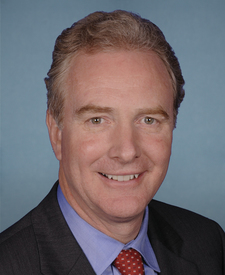
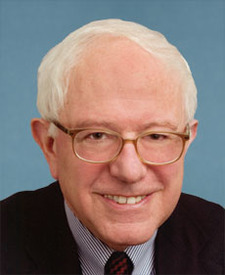
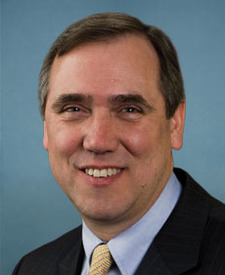
Legislative Progress
In CommitteeMr. Van Hollen (for himself, Mr. Merkley, and Mr. Sanders) …
Read twice and referred to the Committee on Foreign Relations.
Introduced in Senate
Stakeholder Effects
cui bono?How this legislation distributes effects. Mention counts reflect frequency, not effect magnitude.
Humanitarian aid workers and nongovernmental aid organizations operating in conflict areas, Humanitarian aid workers and relief organizations seeking safer operating conditions
Foreign governments and security forces that could lose U.S. security assistance or defense support after harming humanitarian aid workers
Bill Structure & Actor Mappings
Who is "The Secretary" in each section?
- "the_secretary"
- → Secretary of State
- "the_special_envoy"
- → Special Envoy for Humanitarian Aid Workers
We use a combination of our own taxonomy and classification in addition to large language models to assess meaning and potential beneficiaries. High confidence means strong textual evidence. Always verify with the original bill text.
Learn more about our methodology