Lower Health Care Costs Act
Analysis under review: This bill has generated analysis that may be too generic or incomplete. Clause-level evidence remains available below.
Summary
What This Bill Does
The bill creates extends the enhanced Affordable Care Act premium tax credits for health insurance by three years, from 2025 to 2028, allowing individuals purchasing coverage through ACA marketplaces to continue receiving larger. It relies on tax credits. The main policy areas are Healthcare and Finance.
Who Benefits and How
Middle-income families (100-400% of Federal Poverty Level) could see lower costs, Individuals purchasing health insurance through ACA marketplaces could see lower costs, and Health insurance companies selling marketplace plans could gain revenue opportunities.
Who Bears the Burden and How
Federal government / US Treasury could face higher costs and US taxpayers could face higher costs.
Key Provisions
- Creates extends the enhanced Affordable Care Act premium tax credits for health insurance by three years, from 2025 to 2028, allowing individuals purchasing coverage through ACA marketplaces to continue receiving larger...
Evidence Chain:
This summary is generated from the full bill text using AI analysis. Expand "Detailed Analysis" below for identified beneficiaries/burden bearers with clause-level evidence links.
At a Glance
What This Bill Does
The bill creates extends the enhanced Affordable Care Act premium tax credits for health insurance by three years, from 2025 to 2028, allowing individuals purchasing coverage through ACA marketplaces to continue receiving larger.
Key Policy Areas
Healthcare, Finance
Primary Purpose
The bill creates extends the enhanced Affordable Care Act premium tax credits for health insurance by three years, from 2025 to 2028, allowing individuals purchasing coverage through ACA marketplaces to continue receiving larger.
Policy Domains
Section 1 - Short Title
Identified Gains
- Middle-income families (100-400% of Federal Poverty Level)
- Individuals purchasing health insurance through ACA marketplaces
- Health insurance companies selling marketplace plans
- Hospitals and healthcare providers
Identified Costs
- Federal government / US Treasury
- US taxpayers
Sponsors
Legislative Progress
IntroducedCloture on the motion to proceed to the measure not …
Cloture motion on the motion to proceed to the measure …
Motion to proceed to consideration of measure made in Senate. …
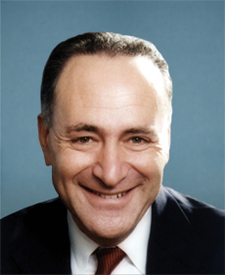
Mr. Schumer introduced the following bill; which was read the …
Read the second time. Placed on Senate Legislative Calendar under …
Introduced in the Senate. Read the first time. Placed on …
Introduced in Senate
Stakeholder Effects
cui bono?How this legislation distributes effects. Mention counts reflect frequency, not effect magnitude.
Individuals purchasing health insurance through ACA marketplaces, Middle-income families (100-400% of Federal Poverty Level)
Health insurance companies selling marketplace plans
On the Cloture Motion S. 3385
Motion to Invoke Cloture: Motion to Proceed to S. 3385
Bill Structure & Actor Mappings
Who is "The Secretary" in each section?
- "irs"
- → Internal Revenue Service (administers premium tax credits)
Key Definitions
Terms defined in this bill
The percentage of household income that determines the maximum amount a taxpayer must contribute toward health insurance premiums before receiving the premium tax credit
Rules determining eligibility for the premium tax credit, including income thresholds based on Federal Poverty Level
We use a combination of our own taxonomy and classification in addition to large language models to assess meaning and potential beneficiaries. High confidence means strong textual evidence. Always verify with the original bill text.
Learn more about our methodology