Back the Blue Act of 2025
Analysis under review: This bill has generated analysis that may be too generic or incomplete. Clause-level evidence remains available below.
Summary
What This Bill Does
This bill creates and expands federal criminal and civil protections for law enforcement officers, judges, prosecutors, and first responders by creating new offenses, enhancing penalties, limiting certain habeas and damages claims, and broadening firearm-carry authority for officers.
Who Benefits and How
Federal, state, and local law enforcement officers, judges, prosecutors, and first responders could receive stronger deterrence, broader federal prosecution tools, narrower post-conviction challenges in covered murder cases, and expanded firearm-carry protections.
Who Bears the Burden and How
People accused or convicted of violent crimes against covered officials could face new federal offenses, harsher sentencing exposure, narrower habeas relief, and reduced ability to recover damages in related civil litigation.
Key Provisions
- Creates federal crimes for killing, assaulting, or fleeing prosecution for killing covered judges, law enforcement officers, and federally funded public safety officers.
- Adds a death-penalty aggravating factor for killing or attempting to kill law enforcement officers, prosecutors, judges, and first responders.
- Narrows federal habeas relief and limits certain civil damages and fee awards in cases tied to violent or felony conduct.
- Expands firearm-carry and storage-related protections for sworn law enforcement officers.
Evidence Chain:
This summary is generated from the full bill text using AI analysis. Expand "Detailed Analysis" below for identified beneficiaries/burden bearers.
At a Glance
What This Bill Does
This bill creates and expands federal criminal and civil protections for law enforcement officers, judges, prosecutors, and first responders by creating new offenses, enhancing penalties, limiting certain habeas and damages claims, and broadening firearm-carry authority for officers.
Key Policy Areas
Criminal Justice, Public Safety, Government Administration
Primary Purpose
This bill creates and expands federal criminal and civil protections for law enforcement officers, judges, prosecutors, and first responders by creating new offenses, enhancing penalties, limiting certain habeas and damages claims, and broadening firearm-carry authority for officers.
Policy Domains
Main Provisions
Identified Gains
Contextual inference, no direct clause citation- Law enforcement officers, judges, prosecutors, and first responders receiving stronger legal protections
Contextual inference, no direct clause citation
Identified Costs
Contextual inference, no direct clause citation- People accused or convicted of violent offenses against covered officials and plaintiffs facing tighter limits in related civil-rights or habeas actions
Contextual inference, no direct clause citation
Sponsors
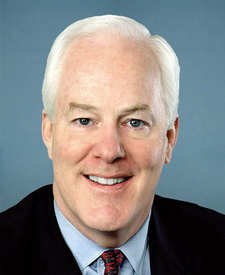


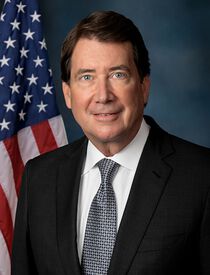
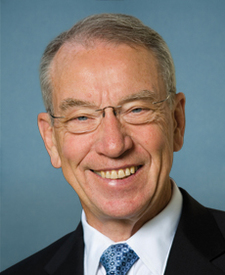
Legislative Progress
In CommitteeMr. Cornyn (for himself, Mr. Banks, Mr. Barrasso, Mrs. Blackburn, …
Read twice and referred to the Committee on the Judiciary.
Introduced in Senate
Stakeholder Effects
cui bono?How this legislation distributes effects. Mention counts reflect frequency, not effect magnitude.
Capital defendants in cases involving covered officials or first responders, Death-sentenced defendants in covered state murder cases who face narrower federal review options, Individuals seeking damages for harms connected to their own felony or violent conduct
Federal judges, law enforcement officers, and federally funded public safety officers protected by the new homicide offense, Law enforcement and prosecutors pursuing fugitives in covered killing cases, Law enforcement officers, judges, and other covered public safety officials receiving stronger criminal-law protections
Government and judicial defendants in covered civil-rights suits receiving reduced damages and fee exposure
Bill Structure & Actor Mappings
Who is "The Secretary" in each section?
We use a combination of our own taxonomy and classification in addition to large language models to assess meaning and potential beneficiaries. High confidence means strong textual evidence. Always verify with the original bill text.
Learn more about our methodology