Modernizing Government Technology Reform Act
Analysis under review: This bill has generated analysis that may be too generic or incomplete. Clause-level evidence remains available below.
Summary
What This Bill Does
The Modernizing Government Technology Reform Act strengthens the federal Technology Modernization Fund (TMF), which provides agencies with money to upgrade outdated computer systems. The bill requires agencies to pay back the money they receive, adds protections against fraud, and extends the fund through December 31, 2032.
Who Benefits and How
IT contractors, cybersecurity firms, and cloud computing companies will benefit from continued and potentially increased federal spending on technology modernization projects. The bill extends the TMF for years longer, creating a sustained market for government IT services. Federal agencies also benefit by having continued access to funds for replacing aging computer systems that pose security and operational risks.
Who Bears the Burden and How
Federal agency Chief Information Officers face significant new reporting requirements, including mandatory inventories of high-risk legacy systems submitted to OMB within 180 days of guidance. Agencies that receive TMF funds must now reimburse the fund (previously optional), increasing their budget obligations. Agencies that submit fraudulent or misleading project proposals risk having their funding suspended or terminated.
Key Provisions
- Requires agencies to reimburse the TMF for money received, ensuring the fund remains solvent until 2032
- Mandates that each agency CIO identify and report high-risk legacy IT systems to the Federal CIO
- Requires the Federal CIO to compile a government-wide list of the 10 most at-risk legacy systems
- Authorizes the Technology Modernization Board to suspend funding for projects with fraudulent proposals
- Ties fund transfers to metric-based development milestones using rapid, iterative processes
- Extends the fund's sunset date from its original timeline to December 31, 2032
Evidence Chain:
This summary is generated from the full bill text using AI analysis. Expand "Detailed Analysis" below for identified beneficiaries/burden bearers.
At a Glance
What This Bill Does
Reforms the Technology Modernization Fund (TMF) to realign its use with original congressional intent, requiring agencies to reimburse the fund and extending its sunset date to December 31, 2032.
Who Benefits
- Federal IT modernization contractors and vendors
- Technology consulting firms
- Cybersecurity service providers
Who Bears Costs
- Federal agency Chief Information Officers (new reporting requirements)
- Federal agencies (must reimburse the Fund for transfers)
- Agencies with fraudulent or misleading project proposals (funding suspension)
Key Policy Areas
Information Technology, Federal Government Operations, Cybersecurity
Primary Purpose
Reforms the Technology Modernization Fund (TMF) to realign its use with original congressional intent, requiring agencies to reimburse the fund and extending its sunset date to December 31, 2032.
Policy Domains
Legislative Strategy
"Strengthen the Technology Modernization Fund by requiring reimbursement, adding fraud protections, mandating legacy system inventories, and extending the fund's lifespan through 2032"
Identified Gains
- Federal IT modernization contractors and vendors
- Technology consulting firms
- Cybersecurity service providers
- Cloud computing providers
- Federal agencies with legacy IT systems
Identified Costs
- Federal agency Chief Information Officers (new reporting requirements)
- Federal agencies (must reimburse the Fund for transfers)
- Agencies with fraudulent or misleading project proposals (funding suspension)
Sponsors
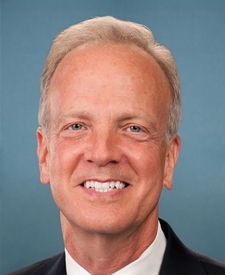
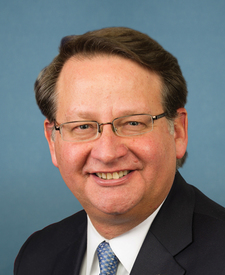
Legislative Progress
In CommitteeMr. Moran (for himself and Mr. Peters) introduced the following …
Read twice and referred to the Committee on Homeland Security …
Introduced in Senate
Stakeholder Effects
cui bono?How this legislation distributes effects. Mention counts reflect frequency, not effect magnitude.
Agencies with fraudulent or misleading TMF proposals, Federal agencies receiving TMF transfers, Federal agency Chief Information Officers
Cybersecurity service providers, Federal IT modernization contractors and systems integrators
Cloud computing and hosting providers
Bill Structure & Actor Mappings
Who is "The Secretary" in each section?
- "the_board"
- → Technology Modernization Board
- "the_director"
- → Director of the Office of Management and Budget (OMB)
- "the_administrator"
- → Administrator of General Services (GSA)
- "agency_chief_information_officer"
- → Chief Information Officer designated under 44 U.S.C. 3506(a)(2)
- "federal_chief_information_officer"
- → Administrator of the Office of Electronic Government
Key Definitions
Terms defined in this bill
A Chief Information Officer designated under section 3506(a)(2) of title 44, United States Code
The Administrator of the Office of Electronic Government
Any outdated or obsolete system of information technology that is critical to the agency such that the loss or degradation of the system would create a security, operational, or privacy risk to the agency or would otherwise impact the ability of the agency to perform the mission of the agency, effectively deliver programs, or conduct business
We use a combination of our own taxonomy and classification in addition to large language models to assess meaning and potential beneficiaries. High confidence means strong textual evidence. Always verify with the original bill text.
Learn more about our methodology