To amend title 5, United States Code, to clarify the nature of judicial review of agency interpretations of statutory and regulatory provisions.
Analysis under review: This bill has generated analysis that may be too generic or incomplete. Clause-level evidence remains available below.
Summary
What This Bill Does
The Separation of Powers Restoration Act (SOPRA) changes how federal courts review decisions made by government agencies like the EPA, FDA, and SEC. Currently, judges often defer to agency expertise when interpreting laws and regulations. This bill eliminates that deference, requiring judges to make their own independent judgment about what laws mean, even in complex technical areas.
Who Benefits and How
Companies facing regulatory enforcement benefit the most. Businesses in industries like oil and gas, pharmaceuticals, telecommunications, and financial services will find it easier to challenge agency regulations in court because judges will no longer automatically defer to agency expertise. Corporate law firms also benefit from increased litigation opportunities as more companies challenge rules they don't like. Conservative legal organizations gain a strategic victory by shifting interpretive power from executive agencies to the federal judiciary.
Who Bears the Burden and How
Federal regulatory agencies like the EPA, FDA, FCC, and OSHA lose significant authority as courts no longer defer to their technical expertise, making it harder to defend regulations in court. Environmental groups, consumer protection advocates, labor unions, and public health organizations face increased risk that the regulations they support will be struck down by judges. Federal judges also face increased workload and responsibility to independently interpret complex technical regulations without relying on agency expertise.
Key Provisions
- Requires federal courts to conduct "de novo" (completely independent) review of all agency interpretations of laws, rules, and guidance documents
- Eliminates the Chevron deference doctrine that has governed administrative law for 40 years
- Applies to all judicial review of agency actions under the Administrative Procedure Act
- Prevents Congress from exempting specific laws from this requirement unless they explicitly reference this section
- Takes effect immediately upon passage, applying to all pending and future cases
Evidence Chain:
This summary is generated from the full bill text using AI analysis. Expand "Detailed Analysis" below for identified beneficiaries/burden bearers.
At a Glance
What This Bill Does
Requires federal courts to independently review agency interpretations of law without deference, effectively overturning Chevron deference doctrine
Who Benefits
- Regulated industries challenging agency rules (especially business groups)
- Conservative legal organizations
- Companies facing regulatory enforcement actions
Who Bears Costs
- Federal regulatory agencies (EPA, FDA, FCC, SEC, etc.) - reduced authority
- Environmental protection advocates (harder to defend regulations)
- Consumer protection groups (harder to defend regulations)
Key Policy Areas
Administrative Law, Judicial Review, Regulatory Policy, Separation Of Powers
Primary Purpose
Requires federal courts to independently review agency interpretations of law without deference, effectively overturning Chevron deference doctrine
Policy Domains
Legislative Strategy
"Shift interpretive power from executive agencies to federal judiciary by eliminating Chevron deference"
Identified Gains
- Regulated industries challenging agency rules (especially business groups)
- Conservative legal organizations
- Companies facing regulatory enforcement actions
- Federal courts (increased authority)
Identified Costs
- Federal regulatory agencies (EPA, FDA, FCC, SEC, etc.) - reduced authority
- Environmental protection advocates (harder to defend regulations)
- Consumer protection groups (harder to defend regulations)
- Labor unions (harder to defend workplace regulations)
- Public health advocates (harder to defend health regulations)
Sponsors
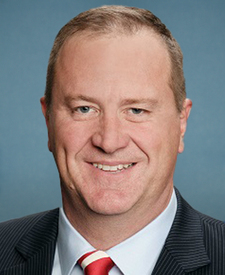
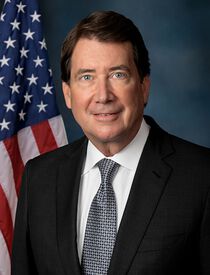


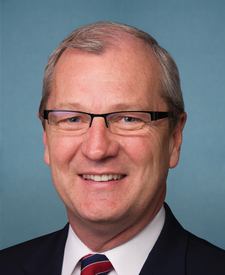
Legislative Progress
IntroducedMr. Schmitt (for himself, Mr. Cruz, Mr. Cramer, Mr. Paul, …
Stakeholder Effects
cui bono?How this legislation distributes effects. Mention counts reflect frequency, not effect magnitude.
Federal regulatory agencies (EPA, FDA, FCC, SEC, OSHA, etc.)
Corporate legal services and regulatory compliance firms
Bill Structure & Actor Mappings
Who is "The Secretary" in each section?
- "agencies"
- → All federal agencies subject to Administrative Procedure Act
- "reviewing_court"
- → Federal courts reviewing agency actions under 5 USC 706
Key Definitions
Terms defined in this bill
Independent review by courts of all relevant questions of law, including interpretation of constitutional and statutory provisions, agency rules, interpretative rules, general statements of policy, and all other agency guidance documents
Any action subject to judicial review under the Administrative Procedure Act (5 USC 706)
We use a combination of our own taxonomy and classification in addition to large language models to assess meaning and potential beneficiaries. High confidence means strong textual evidence. Always verify with the original bill text.
Learn more about our methodology