Improving Access to Workers’ Compensation for Injured Federal Workers Act of 2025
Analysis under review: This bill has generated analysis that may be too generic or incomplete. Clause-level evidence remains available below.
Summary
What This Bill Does
This bill expands federal workers' compensation coverage to include healthcare services provided by physician assistants (PAs) and nurse practitioners (NPs). Currently, the Federal Employees' Compensation Act only covers services provided by physicians. By adding these mid-level providers to the list of eligible healthcare practitioners, the bill aims to improve access to care for injured federal employees.
Who Benefits and How
Injured Federal Workers benefit by gaining access to a broader network of healthcare providers. They can now receive covered workers' compensation services from nurse practitioners and physician assistants, not just physicians, making it easier to get timely care especially in areas with physician shortages.
Nurse Practitioners and Physician Assistants benefit by becoming eligible to provide reimbursable services under federal workers' compensation. This expands their patient base and professional scope, allowing them to treat federal employees under the same compensation framework as physicians.
Who Bears the Burden and How
The Department of Labor must develop and finalize new administrative rules within 6 months of enactment to implement these changes. This includes updating regulations, forms, and procedures to recognize the new category of "other eligible providers."
Key Provisions
- Adds a new definition of "other eligible provider" meaning a nurse practitioner or physician assistant practicing within the scope of their state license
- Amends multiple sections of Chapter 81 of Title 5 (Federal Employees' Compensation Act) to include "other eligible providers" alongside physicians
- Allows injured employees to choose a nurse practitioner or physician assistant for their medical examination
- Requires the Secretary of Labor to finalize implementing rules within 6 months of enactment
Evidence Chain:
This summary is generated from the full bill text using AI analysis. Expand "Detailed Analysis" below for identified beneficiaries/burden bearers.
At a Glance
What This Bill Does
Amends chapter 81 of title 5, United States Code to include services provided by physician assistants and nurse practitioners under workers' compensation for injured federal workers.
Key Policy Areas
Healthcare, Employment
Primary Purpose
Amends chapter 81 of title 5, United States Code to include services provided by physician assistants and nurse practitioners under workers' compensation for injured federal workers.
Policy Domains
Sponsors

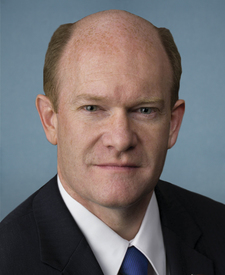

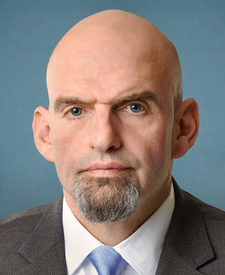

Legislative Progress
In CommitteeMs. Collins (for herself and Mr. Blumenthal) introduced the following …
Read twice and referred to the Committee on Homeland Security …
Introduced in Senate
Impact analysis is available but no clear stakeholder effects identified. View clause-level analysis →
Bill Structure & Actor Mappings
Who is "The Secretary" in each section?
- "the_secretary"
- → Secretary of Labor
Key Definitions
Terms defined in this bill
a nurse practitioner or physician assistant within the scope of their practice as defined by State law
We use a combination of our own taxonomy and classification in addition to large language models to assess meaning and potential beneficiaries. High confidence means strong textual evidence. Always verify with the original bill text.
Learn more about our methodology