To require a strategy to counter the role of the People's Republic of China in evasion of sanctions imposed by the United States with respect to Iran, and for other purposes.
Analysis under review: This bill has generated analysis that may be too generic or incomplete. Clause-level evidence remains available below.
Summary
What This Bill Does
The End Iranian Terrorism Act of 2024 directs the Secretary of State to develop a strategy to counter China role in evading US sanctions on Iranian petroleum products and requires the President to identify and sanction foreign entities (especially Chinese ones) involved in the illicit Iranian oil trade. It also mandates a report assessing the effectiveness of existing Iran sanctions.
Who Benefits and How
US national security and foreign policy interests benefit by strengthening enforcement of Iran sanctions. Israel and Middle Eastern allies benefit from reduced Iranian funding for terrorist proxies like Hamas and Palestinian Islamic Jihad. Competing non-sanctioned oil suppliers may benefit from reduced Iranian oil availability to China.
Who Bears the Burden and How
Chinese entities involved in purchasing, transporting, refining, or storing Iranian petroleum products face sanctions including asset blocking. The Iranian regime faces reduced oil revenue. The US executive branch bears significant reporting and strategy development workload within tight deadlines.
Key Provisions
- Requires a comprehensive strategy within 120 days on countering China sanctions evasion role (Section 4)
- Mandates identification and sanctioning of foreign entities meeting Iran sanctions criteria within 180 days (Section 5)
- Requires a report within 90 days on the impacts of existing Iran sanctions (Section 6)
- Includes exceptions for humanitarian goods, UN obligations, intelligence activities, and law enforcement (Section 7)
Evidence Chain:
This summary is generated from the full bill text using AI analysis. Expand "Detailed Analysis" below for identified beneficiaries/burden bearers.
At a Glance
What This Bill Does
Requires a US strategy to counter China role in evading Iran sanctions and mandates imposition of sanctions on Chinese and other foreign entities involved in illicit Iranian petroleum trade.
Key Policy Areas
Foreign Policy, National Security, Trade
Primary Purpose
Requires a US strategy to counter China role in evading Iran sanctions and mandates imposition of sanctions on Chinese and other foreign entities involved in illicit Iranian petroleum trade.
Policy Domains
Iran Sanctions Enforcement Against China
Identified Gains
Contextual inference, no direct clause citation- US national security interests
- Israel and Middle Eastern allies
- Non-sanctioned oil market participants
Contextual inference, no direct clause citation
Identified Costs
Contextual inference, no direct clause citation- Chinese entities in Iranian petroleum trade
- Islamic Republic of Iran
- US executive agencies (State, Treasury)
Contextual inference, no direct clause citation
Sponsors
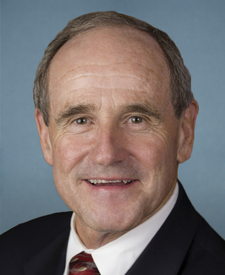

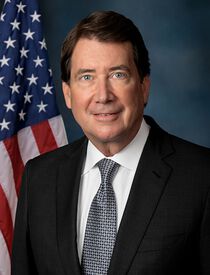
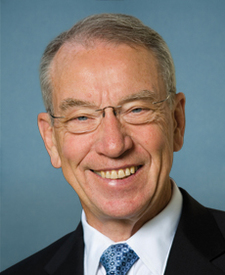
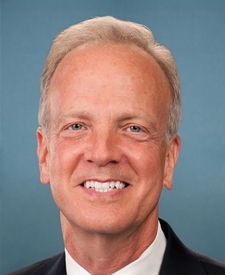
Legislative Progress
ReportedReported by Mr. Cardin, with an amendment
Mr. Risch (for himself and Mr. Rubio) introduced the following …
Mr. Risch (for himself, Mr. Rubio, Mr. Moran, Mr. Crapo, …
Stakeholder Effects
cui bono?How this legislation distributes effects. Mention counts reflect frequency, not effect magnitude.
Chinese Communist Party members involved in oil trade, Congressional committees, Congressional record
Chinese entities in Iranian petroleum trade, Chinese petroleum importers and refiners, Non-sanctioned petroleum suppliers
Positive-direction: Non-sanctioned petroleum suppliers
Negative-direction: Chinese entities in Iranian petroleum trade, Chinese petroleum importers and refiners
Bill Structure & Actor Mappings
Who is "The Secretary" in each section?
- "Congress"
- → Receives strategy, reports, and waiver justifications
- "President"
- → Identifies and sanctions foreign entities (Sec 5), may waive sanctions for national security (Sec 5)
- "Secretary of State"
- → Develops counter-sanctions-evasion strategy (Sec 4), leads sanctions impact report (Sec 6)
- "Secretary of the Treasury"
- → Consulted on sanctions impact report (Sec 6)
Key Definitions
Terms defined in this bill
Any article, natural or manmade substance, material, supply, or manufactured product, including inspection and test equipment, excluding technical data
Senate Foreign Relations and Banking Committees; House Foreign Affairs and Financial Services Committees
We use a combination of our own taxonomy and classification in addition to large language models to assess meaning and potential beneficiaries. High confidence means strong textual evidence. Always verify with the original bill text.
Learn more about our methodology