To require the Secretary of Defense to carry out a pilot program under which the Secretary shall develop and implement a comprehensive wastewater surveillance system at certain installations of the Department of Defense, and for other purposes.
Summary
What This Bill Does
Requires the Department of Defense to run a pilot program using wastewater surveillance at multiple installations to detect drug use and infectious diseases.
Who Benefits and How
Military installations and force-health officials could gain earlier visibility into drug-use and infectious-disease trends that affect readiness.
Who Bears the Burden and How
DOD would need to build a uniform surveillance system, run the pilot for two years, and report its findings.
Key Provisions
- Requires a wastewater surveillance pilot at at least four military installations.
- Requires at least one system focused on covered-drug monitoring and one on infectious-disease monitoring.
- Requires a report on findings, interventions, and program effectiveness after the pilot ends.
Evidence Chain:
This summary is generated from the full bill text using AI analysis. Expand "Detailed Analysis" below for identified beneficiaries/burden bearers.
At a Glance
What This Bill Does
Requires the Department of Defense to run a pilot program using wastewater surveillance at multiple installations to detect drug use and infectious diseases.
Key Policy Areas
Defense, Public Health, Government Operations
Primary Purpose
Requires the Department of Defense to run a pilot program using wastewater surveillance at multiple installations to detect drug use and infectious diseases.
Policy Domains
Main Provisions
Identified Gains
Contextual inference, no direct clause citation- Department of Defense installations and service members benefiting from earlier trend detection
Contextual inference, no direct clause citation
Identified Costs
Contextual inference, no direct clause citation- Department of Defense officials designing, operating, and reporting on the pilot
Contextual inference, no direct clause citation
Legislative Progress
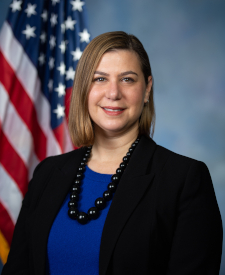
IntroducedMs. Slotkin introduced the following bill; which was read twice …
Stakeholder Effects
cui bono?How this legislation distributes effects. Mention counts reflect frequency, not effect magnitude.
Department of Defense installations and force-health officials using the surveillance results
Department of Defense officials administering the pilot system
Bill Structure & Actor Mappings
Who is "The Secretary" in each section?
We use a combination of our own taxonomy and classification in addition to large language models to assess meaning and potential beneficiaries. High confidence means strong textual evidence. Always verify with the original bill text.
Learn more about our methodology