To amend the National Labor Relations Act to restrict charges of unfair labor practices that are not filed in good faith or are frivolous, and for other purposes.
Analysis under review: This bill has generated analysis that may be too generic or incomplete. Clause-level evidence remains available below.
Summary
What This Bill Does
The Fairness in Filing Act makes it harder to file unfair labor practice complaints with the National Labor Relations Board (NLRB). Under current law, workers or unions can file complaints alleging employers violated labor laws without necessarily providing upfront documentation. This bill would require anyone filing such a complaint to either include supporting evidence (like affidavits, photos, videos, emails, or texts) or certify why they cannot provide such evidence.
Who Benefits and How
Employers are the primary beneficiaries of this legislation. They would face fewer labor complaints because workers and unions would need to gather and submit documentation before the NLRB will even consider a case. The evidence requirement and threat of fines could discourage workers from filing legitimate complaints if they lack written or photographic proof of violations. Employers accused of violations would also gain early access to the evidence against them, giving them more time to prepare their defense.
Who Bears the Burden and How
Workers, unions, and labor organizers would bear the main burden. Many workplace violations (such as verbal threats, discriminatory treatment, or coercion) are difficult to document with the type of evidence this bill requires. Workers who file complaints deemed "frivolous" or "not in good faith" could face fines up to $5,000 - a significant penalty that could deter even valid complaints. The definition of "frivolous" or "not in good faith" is left to interpretation, creating uncertainty for anyone considering filing a complaint.
Key Provisions
- Requires all unfair labor practice charges to be filed "in good faith"
- Mandates that charges include documented evidence (affidavits, photos, videos, emails, or texts) OR a certification explaining why evidence cannot be provided
- Requires the NLRB to share all evidence with the accused party before any hearing takes place
- Imposes fines of up to $5,000 on anyone who files charges "not in good faith" or shows a pattern of filing frivolous charges
Evidence Chain:
This summary is generated from the full bill text using AI analysis. Expand "Detailed Analysis" below for identified beneficiaries/burden bearers.
At a Glance
What This Bill Does
Amends the National Labor Relations Act to restrict charges of unfair labor practices that are not filed in good faith or are frivolous, and imposes penalties for filing such charges.
Key Policy Areas
Labor
Primary Purpose
Amends the National Labor Relations Act to restrict charges of unfair labor practices that are not filed in good faith or are frivolous, and imposes penalties for filing such charges.
Policy Domains
Sponsors

Legislative Progress
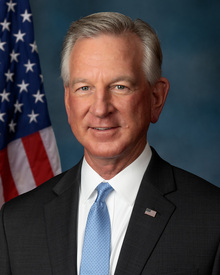
IntroducedMr. Cassidy (for himself and Mr. Tuberville) introduced the following …
Stakeholder Effects
cui bono?How this legislation distributes effects. Mention counts reflect frequency, not effect magnitude.
Individuals or entities filing frivolous or bad faith labor charges
Bill Structure & Actor Mappings
Who is "The Secretary" in each section?
Key Definitions
Terms defined in this bill
A fine of up to $5,000 for any person who files a charge under section 10(b) not in good faith or engages in a pattern or practice of filing frivolous charges.
We use a combination of our own taxonomy and classification in addition to large language models to assess meaning and potential beneficiaries. High confidence means strong textual evidence. Always verify with the original bill text.
Learn more about our methodology