To amend subchapter IV of chapter 31 of title 40, United States Code, regarding prevalent wage determinations in order to expand access to affordable housing, and for other purposes.
Analysis under review: This bill has generated analysis that may be too generic or incomplete. Clause-level evidence remains available below.
Summary
What This Bill Does
Modifies Davis-Bacon prevailing-wage rules for affordable housing by broadening wage-data sources, limiting certain residential projects to one wage determination, and creating a modernization working group.
Who Benefits and How
Affordable housing developers and financing participants could gain more flexible or streamlined prevailing-wage treatment on covered projects.
Who Bears the Burden and How
Labor officials would have to revise survey practices and convene a modernization working group, while some labor stakeholders could face weaker wage-setting leverage on covered projects.
Key Provisions
- Broadens permissible data sources and geographic groupings for prevailing wage calculations and requires survey-method review.
- Limits certain federal housing prevailing-wage determinations to a single rate corresponding to the project's overall residential character.
- Creates a Davis-Bacon Modernization Working Group to recommend updates, streamlining options, and possible BLS roles.
Evidence Chain:
This summary is generated from the full bill text using AI analysis. Expand "Detailed Analysis" below for identified beneficiaries/burden bearers.
At a Glance
What This Bill Does
Modifies Davis-Bacon prevailing-wage rules for affordable housing by broadening wage-data sources, limiting certain residential projects to one wage determination, and creating a modernization working group.
Key Policy Areas
Housing, Labor, Government Operations
Primary Purpose
Modifies Davis-Bacon prevailing-wage rules for affordable housing by broadening wage-data sources, limiting certain residential projects to one wage determination, and creating a modernization working group.
Policy Domains
Main Provisions
Identified Gains
Contextual inference, no direct clause citation- Affordable housing developers and related project sponsors
- State and local housing entities financing or overseeing covered projects
Contextual inference, no direct clause citation
Identified Costs
Contextual inference, no direct clause citation- Department of Labor officials revising wage-determination practices
- Labor stakeholders that benefit from current prevailing-wage structures
Contextual inference, no direct clause citation
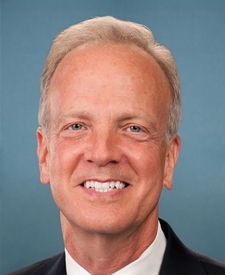
Sponsors
Legislative Progress
IntroducedMr. Moran introduced the following bill; which was read twice …
Stakeholder Effects
cui bono?How this legislation distributes effects. Mention counts reflect frequency, not effect magnitude.
Affordable housing developers and project sponsors using a single residential wage determination, Affordable housing developers subject to Davis-Bacon wage determinations
Department of Labor officials revising wage-survey methods and determinations, Labor and housing agencies staffing the Davis-Bacon modernization working group
Bill Structure & Actor Mappings
Who is "The Secretary" in each section?
We use a combination of our own taxonomy and classification in addition to large language models to assess meaning and potential beneficiaries. High confidence means strong textual evidence. Always verify with the original bill text.
Learn more about our methodology