To approve the settlement of the water right claims of the Tule River Tribe, and for other purposes.
Analysis under review: This bill has generated analysis that may be too generic or incomplete. Clause-level evidence remains available below.
Summary
What This Bill Does
The Tule River Tribe Reserved Water Rights Settlement Act settles longstanding water rights claims between the Tule River Indian Tribe and downstream water users in California. It ratifies a 2007 agreement, establishes a federally-recognized Tribal Water Right of up to 5,828 acre-feet per year from the South Fork Tule River, and creates a $568 million trust fund for water infrastructure development on the reservation.
Who Benefits and How
- Tule River Indian Tribe receives confirmed water rights, $518 million for water development projects, $50 million for operations and maintenance, and approximately 10,500 acres of federal land transferred into trust
- Downstream water users (South Tule Independent Ditch Company, Tule River Association members) gain certainty about water rights and avoid continued litigation
- U.S. government resolves its trustee obligations and associated litigation risk
Who Bears the Burden and How
- U.S. Treasury provides $568 million in funding for the settlement
- The Tribe must waive all historical water rights claims against the United States and state entities
- Federal agencies (Interior, Agriculture) must manage land transfers and environmental compliance
Key Provisions
- Establishes Tribal Water Right of 5,828 acre-feet per year held in trust by the United States
- Creates $568 million Tule River Indian Tribe Settlement Trust Fund ($518M for projects, $50M for O&M)
- Transfers approximately 10,500 acres of federal land into trust for the Tribe
- Requires Tribe to waive all historical water rights claims in exchange for settlement benefits
Evidence Chain:
This summary is generated from the full bill text using AI analysis. Expand "Detailed Analysis" below for identified beneficiaries/burden bearers.
At a Glance
What This Bill Does
Settles the water rights claims of the Tule River Indian Tribe in California, establishing the Tribal Water Right, creating a trust fund for water development projects, and transferring federal lands into trust for the Tribe.
Key Policy Areas
Water Rights, Tribal Affairs, Public Lands, Infrastructure
Primary Purpose
Settles the water rights claims of the Tule River Indian Tribe in California, establishing the Tribal Water Right, creating a trust fund for water development projects, and transferring federal lands into trust for the Tribe.
Policy Domains
Trust Fund and Funding (Sections 6-7)
Identified Gains
Contextual inference, no direct clause citation- Tule River Indian Tribe
- Water infrastructure contractors
Contextual inference, no direct clause citation
Identified Costs
Contextual inference, no direct clause citation- U.S. Treasury
Contextual inference, no direct clause citation
Land Transfer (Section 8)
Identified Gains
Contextual inference, no direct clause citation- Tule River Indian Tribe
Contextual inference, no direct clause citation
Identified Costs
Contextual inference, no direct clause citation- Bureau of Land Management
- U.S. Forest Service
Contextual inference, no direct clause citation
Claims Settlement and Waivers (Sections 9-10)
Identified Gains
Contextual inference, no direct clause citation- United States (reduced litigation risk)
- Downstream Water Users (certainty)
Contextual inference, no direct clause citation
Identified Costs
Contextual inference, no direct clause citation- Tule River Indian Tribe (waives historical claims)
Contextual inference, no direct clause citation
Tribal Water Right (Section 5)
Identified Gains
Contextual inference, no direct clause citation- Tule River Indian Tribe
Contextual inference, no direct clause citation
Agreement Ratification (Section 4)
Identified Gains
Contextual inference, no direct clause citation- Tule River Indian Tribe
- South Tule Independent Ditch Company
- Tule River Association
Contextual inference, no direct clause citation
Identified Costs
Contextual inference, no direct clause citation- Secretary of Interior (compliance requirements)
Contextual inference, no direct clause citation
Sponsors
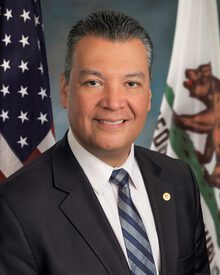

Legislative Progress
IntroducedMr. Padilla (for himself and Mrs. Feinstein) introduced the following …
Stakeholder Effects
cui bono?How this legislation distributes effects. Mention counts reflect frequency, not effect magnitude.
Bureau of Land Management, Department of the Interior, Forest Service
Tule River Indian Tribe faces effects in multiple directions
Positive-direction: United States, United States (as trustee)
Negative-direction: Bureau of Land Management, Department of the Interior, Forest Service, U.S. District Court for Eastern District of California, U.S. Treasury
Downstream Water Users, South Tule Independent Ditch Company
Bill Structure & Actor Mappings
Who is "The Secretary" in each section?
- "the_secretary"
- → Secretary of the Interior
- "the_tribe"
- → Tule River Indian Tribe
- "the_secretary"
- → Secretary of the Interior
- "the_secretary_of_treasury"
- → Secretary of the Treasury
- "the_secretary"
- → Secretary of the Interior
- "the_secretary_of_agriculture"
- → Secretary of Agriculture
- "the_tribe"
- → Tule River Indian Tribe
- "the_secretary"
- → Secretary of the Interior
- "the_court"
- → U.S. District Court for the Eastern District of California
- "the_secretary"
- → Secretary of the Interior
Key Definitions
Terms defined in this bill
The agreement dated November 21, 2007, between the Tribe, South Tule Independent Ditch Company, and Tule River Association
The water rights ratified, confirmed, and declared valid for the benefit of the Tribe as set forth in the 2007 Agreement and this Act
The Tule River Indian Tribe Settlement Trust Fund established under section 6(a)
The Tule River Association, South Tule Independent Ditch Company, and all other holders of water rights in the South Fork Tule River Basin
The date the Secretary publishes findings that all settlement conditions have been met
We use a combination of our own taxonomy and classification in addition to large language models to assess meaning and potential beneficiaries. High confidence means strong textual evidence. Always verify with the original bill text.
Learn more about our methodology