Tribal Warrant Fairness Act
Summary
What This Bill Does
The bill amends the U.S. Marshals Service statute so Marshals may help with Tribal fugitive matters at the request of an Indian Tribe. It defines Indian Tribe broadly and gives Tribal governments a federal law-enforcement partner for warrant and fugitive situations that cross jurisdictional boundaries.
Who Benefits and How
Indian Tribes benefit because they can request federal assistance for Tribal fugitive matters. Tribal law enforcement agencies benefit from access to U.S. Marshals Service fugitive expertise and resources. Victims and witnesses in Tribal cases benefit when fugitive apprehension becomes easier across jurisdictions. The U.S. Marshals Service benefits from clearer statutory authority to assist when a Tribe asks.
Who Bears the Burden and How
The U.S. Marshals Service must evaluate and respond to qualifying Tribal fugitive assistance requests. Tribal law enforcement agencies must coordinate case information with federal marshals. Federal fugitives in Tribal matters face greater apprehension risk. DOJ oversight offices must monitor how the new authority is used.
Key Provisions
- Defines Indian Tribe for the new authority.
- Amends the U.S. Marshals Service assistance statute.
- Adds Tribal fugitive matters as a category for assistance at a Tribe's request.
- Improves federal-Tribal coordination without creating a private civil claim.
Evidence Chain:
This summary is generated from the full bill text using AI analysis. Expand "Detailed Analysis" below for identified beneficiaries/burden bearers with clause-level evidence links.
At a Glance
What This Bill Does
Allows the U.S. Marshals Service to assist with Tribal fugitive matters when an Indian Tribe requests help.
Key Policy Areas
Tribal Affairs, Law Enforcement
Primary Purpose
Allows the U.S. Marshals Service to assist with Tribal fugitive matters when an Indian Tribe requests help.
Policy Domains
Bill provisions
Identified Gains
- Indian Tribes
- Tribal police departments
- Victim families in Tribal cases
- U.S. Marshals Service
Identified Costs
- U.S. Marshals Service
- Tribal police departments
- Federal fugitive defendants
- Justice Department oversight offices
Sponsors

Legislative Progress
Passed SenateHeld at the desk.
Received in the House.
Message on Senate action sent to the House.
Passed Senate with an amendment by Voice Vote. (consideration: CR …
Passed/agreed to in Senate: Passed Senate with an amendment by …
Placed on Senate Legislative Calendar under General Orders. Calendar No. …
Committee on the Judiciary. Reported by Senator Grassley with an …
Reported by Mr. Grassley, with an amendment
Committee on the Judiciary. Ordered to be reported with an …
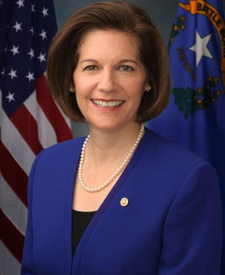
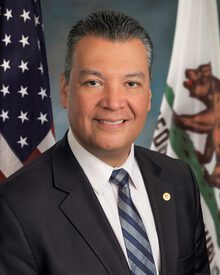
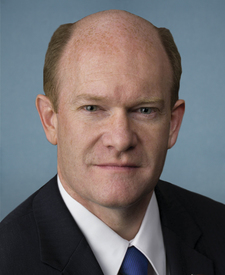
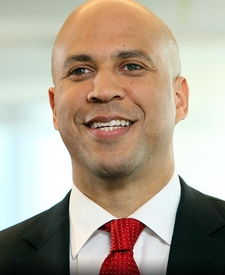
Ms. Cortez Masto (for herself, Mr. Mullin, Mr. Tillis, Mrs. …
Stakeholder Effects
cui bono?How this legislation distributes effects. Mention counts reflect frequency, not effect magnitude.
Indian Tribes, U.S. Marshals Service
Positive-direction: Indian Tribes
Negative-direction: U.S. Marshals Service
Federal fugitives, Tribal law enforcement agencies
Positive-direction: Tribal law enforcement agencies
Negative-direction: Federal fugitives
Bill Structure & Actor Mappings
Who is "The Secretary" in each section?
- "service"
- → United States Marshals Service
We use a combination of our own taxonomy and classification in addition to large language models to assess meaning and potential beneficiaries. High confidence means strong textual evidence. Always verify with the original bill text.
Learn more about our methodology