To prohibit the issuance of an interim or final rule, and to prohibit the inclusion in certain oil and gas leases, exploration or development plans, or well permits requirements or recommendations, that establish a vessel speed or operational restriction in the Central or Western Planning Area of the Gulf of Mexico of the outer Continental Shelf until the Secretary of the Interior and the Secretary of Commerce complete a study demonstrating that proposed mitigation efforts would have no negative impact on supply chains, United States offshore energy production and generation, military activities, including readiness, and United States commercial and recreational fishing maritime commerce, and for other purposes.
Analysis under review: This bill has generated analysis that may be too generic or incomplete. Clause-level evidence remains available below.
Summary
What This Bill Does
This bill, To prohibit the issuance of an interim or final rule, and to prohibit the inclusion in certain oil and gas leases, exploration or development plans, or well permits requirements or recommendations, that establish a vessel speed or operational restriction in the Central or Western Planning Area of the Gulf of Mexico of the outer Continental Shelf until the Secretary of the Interior and the Secretary of Commerce complete a study demonstrating that proposed mitigation efforts would have no negative impact on supply chains, United States offshore energy production and generation, military activities, including readiness, and United States commercial and recreational fishing maritime commerce, and for other purposes., changes federal law or congressional policy affecting defense agencies, service members, and defense contractors. The main policy domain is Defense, Energy, Transportation.
Who Benefits and How
defense agencies, service members, and defense contractors may benefit from new authority, funding, eligibility, regulatory clarity, or reduced risk created by the bill.
Who Bears the Burden and How
federal implementing agencies, defense agencies, service members, and defense contractors may take on implementation duties, reporting obligations, compliance costs, or oversight responsibilities.
Key Provisions
- Section S1: 1. Short title This Act may be cited as the Warding off Hostile Administrative Leasing Efforts Act or the WHALE Act.
- Section id49c740747ed94a539dcab1d5252d6a86: 2. Vessel speed or operational restrictions in the Gulf of Mexico The Secretary of Commerce shall not issue an interim or final rule, and the Secretary of the...
Evidence Chain:
This summary is generated from the full bill text using AI analysis. Expand "Detailed Analysis" below for identified beneficiaries/burden bearers with clause-level evidence links.
At a Glance
What This Bill Does
This bill, To prohibit the issuance of an interim or final rule, and to prohibit the inclusion in certain oil and gas leases, exploration or development plans, or well permits requirements or recommendations, that establish a vessel speed or operational restriction in the Central or Western Planning Area of the Gulf of Mexico of the outer Continental Shelf until the Secretary of the Interior and the Secretary of Commerce complete a study demonstrating that proposed mitigation efforts would have no negative impact on supply chains, United States offshore energy production and generation, military activities, including readiness, and United States commercial and recreational fishing maritime commerce, and for other purposes., changes federal law or congressional policy affecting defense agencies, service members, and defense contractors.
Key Policy Areas
Defense, Energy, Transportation
Primary Purpose
This bill, To prohibit the issuance of an interim or final rule, and to prohibit the inclusion in certain oil and gas leases, exploration or development plans, or well permits requirements or recommendations, that establish a vessel speed or operational restriction in the Central or Western Planning Area of the Gulf of Mexico of the outer Continental Shelf until the Secretary of the Interior and the Secretary of Commerce complete a study demonstrating that proposed mitigation efforts would have no negative impact on supply chains, United States offshore energy production and generation, military activities, including readiness, and United States commercial and recreational fishing maritime commerce, and for other purposes., changes federal law or congressional policy affecting defense agencies, service members, and defense contractors.
Policy Domains
Whole bill
Identified Gains
- defense agencies, service members, and defense contractors
Identified Costs
- federal implementing agencies
- defense agencies, service members, and defense contractors
Sponsors



Legislative Progress
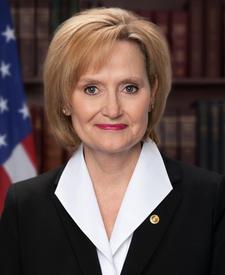
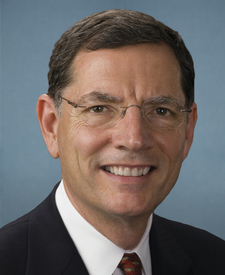
IntroducedMr. Cassidy (for himself, Ms. Lummis, Mrs. Hyde-Smith, Mrs. Britt, …
Impact analysis is available but no clear stakeholder effects identified. View clause-level analysis →
Bill Structure & Actor Mappings
Who is "The Secretary" in each section?
- "secretary_of_defense"
- → Secretary of Defense
- "secretary_of_commerce"
- → Secretary of Commerce
- "secretary_of_transportation"
- → Secretary of Transportation
We use a combination of our own taxonomy and classification in addition to large language models to assess meaning and potential beneficiaries. High confidence means strong textual evidence. Always verify with the original bill text.
Learn more about our methodology